


Weekly insights about property in France!
Subscribe and don't miss an issue!
Why the Monthly Rent Is Only the Beginning
Volume XXIV, Issue 32
By Jay Corless, edited by Adrian Leeds
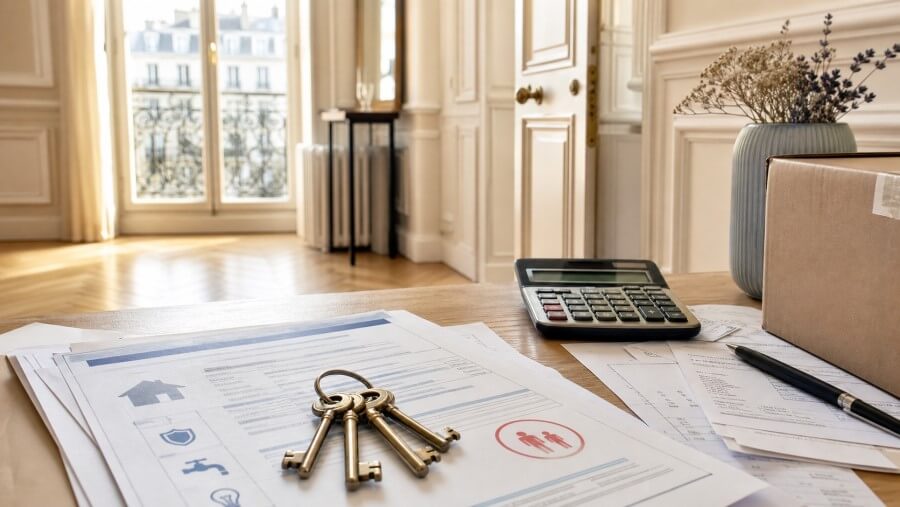
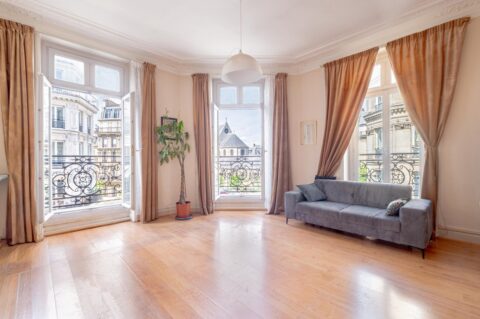
For many people dreaming of moving to France, the search begins the same way: they open a property website, find a charming apartment, glance at the monthly rent, and start calculating their budget. It seems straightforward enough. An apartment rents for €2,500 per month, so surely arriving with the first month’s rent and a security deposit should be enough.
If only it were that simple. One of the biggest surprises for international renters isn’t the rent itself—it’s everything that comes before they even receive the keys.
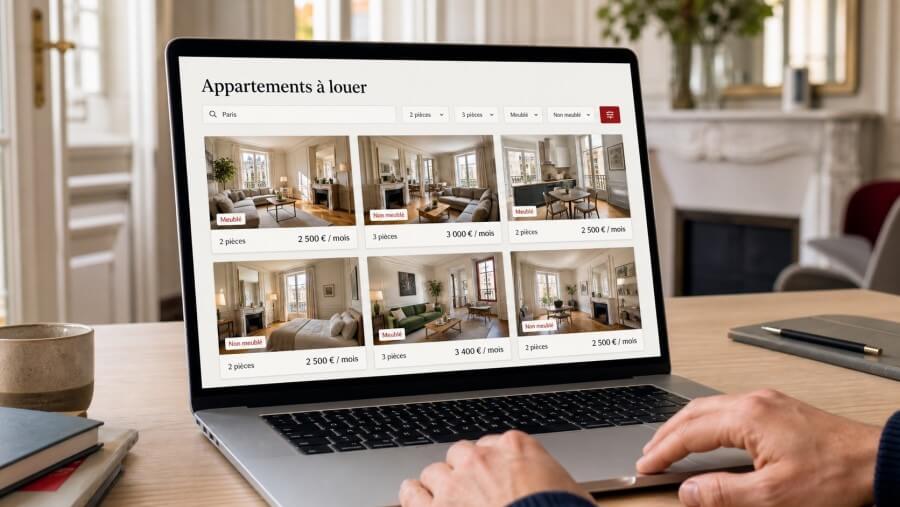
Having helped clients relocate to France from around the world, we’ve learned that the monthly rent is only one piece of a much larger financial picture. Understanding the true cost of renting before beginning your search can prevent disappointment, reduce stress, and help you compete confidently when you find the right property.
WHY FRENCH LANDLORDS THINK DIFFERENTLY
French landlords are generally less interested in whether you want an apartment than whether you can comfortably afford it. Unlike many rental markets where decisions are made quickly, France places great emphasis on documentation and financial security. Landlords often view a tenancy as a long-term relationship rather than a simple transaction.
As a result, you’ll be asked to demonstrate not only your income, but also your financial stability. For international clients—especially those arriving without French employment or tax returns—this often means preparing additional documentation or obtaining a professional rental guarantee.
THE CASH NEEDED BEFORE MOVE-IN
Let’s imagine you’re renting an apartment advertised at €2,500 per month. Many prospective tenants expect their initial costs to look something like this:
– First month’s rent: €2,500
– Security deposit: €2,500
Total: €5,000
In reality, the amount required can be significantly higher. Depending on the type of lease and the agency involved, you may also need to budget for:
– Search fees
– Agency fees
– Security deposit (often one or two months’ rent, depending on the
lease)
– First month’s rent (or a prorated amount)
– Rental guarantee fees, if applicable
– Multi-risk home insurance
– Utility setup costs
– Internet installation
– Moving expenses
– Initial furnishings or household items
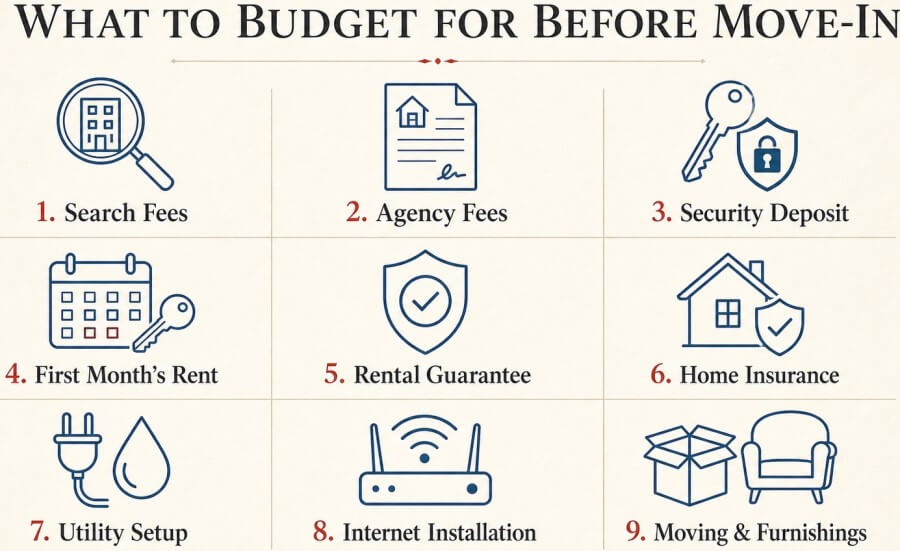
For higher-end properties or secondary residence leases, it’s not unusual for the total cash required before move-in to approach five or even six months’ rent.
UNDERSTANDING SEARCH FEES
We provide a service to help you find a rental apartment anywhere in France. Our Finder’s Fee is equal to one month’s rent, subject to a minimum non-refundable search fee. A portion of your initial consultation fee is credited toward this amount. Searches outside central Paris or Nice may involve travel-related expenses.
UNDERSTANDING AGENCY FEES
Agency fees are another common surprise. Unlike in some countries where the landlord absorbs most brokerage costs, French agencies may charge tenants fees, particularly for furnished secondary-residence leases governed by the Civil Code.
These fees generally reflect the work involved in organizing visits, preparing the lease, coordinating negotiations, completing the état des lieux (status report), and managing administrative formalities.
THE SECURITY DEPOSIT
The security deposit is separate from agency fees. Its amount depends largely on the type of property and lease. Remember that the deposit isn’t an additional rent payment—it’s security against damage or unpaid obligations—and is generally returned after the tenancy, provided the apartment is left in good condition.
RENTAL GUARANTEES
International renters frequently discover another uniquely French concept: the rental guarantee. If you don’t have French employment, French tax returns, or a local guarantor, a guarantee provider may reassure landlords by covering unpaid rent under certain conditions. While this service involves a fee, it can dramatically increase the number of properties available to international applicants.
INSURANCE ISN’T OPTIONAL
Before receiving the keys, tenants are usually required to provide proof of multi-risk home insurance—assurance multirisque habitation (comprehensive insurance).
SETTING UP YOUR NEW HOME
After signing the lease, you may need to arrange electricity, gas, internet service, household items, and other essentials.
BUDGET FOR THE UNEXPECTED
Building a modest contingency fund into your relocation budget can make unexpected expenses much easier to manage.
PLANNING MAKES ALL THE DIFFERENCE
The clients who enjoy the smoothest relocations are rarely those with the largest budgets—they’re the ones who understand the process before it begins. Finding the perfect apartment in France is about much more than choosing the right neighborhood or floor plan.

When you budget for the full picture, not just the monthly rent, you’ll avoid unpleasant surprises and place yourself in the strongest possible position when your dream apartment comes along.
Moving to France is an investment in a new way of life. Like any worthwhile investment, it pays to arrive prepared.
À bientôt,
 Adrian Leeds
The Adrian Leeds Group®
P.S. Finding and securing an apartment on your own in France’s major cities, or anywhere in France for that matter. It is very difficult for an individual, especially those who are not earning their income in France. Our Search Consultants have developed special relationships with the agencies and landlords that puts our clients ahead of everyone else. To learn more about our service, visit our Custom Search page today!

Let Us create a custom strategy for you
You can live or invest in France-now.
Property for sale
what's happening
Check out upcoming events, conferences, or webinars. Join us!
GET FINANCING
Learn about French Property Loan Information.
Read & Subscribe
Dive into more by reading the Adrian Leeds Nouvellettre®
Better yet, subscribe to both and get the updates delivered to your inbox.

Get started with your dream of owning property in Paris.
Join us on Youtube
Dive into more on how to live, invest & escape to France
Be sure to subscribe!
To read more, click the links below.