


Weekly insights about property in France!
Subscribe and don't miss an issue!
France’s Property Market Is Stirring Again—And Paris Politics Could Reshape Housing
Volume XXIV, Issue 11
By Jay Corless, edited by Adrian Leeds
Prices are beginning to rise again in many French cities, but this is no broad-based boom. At the same time, the Paris mayoral race is turning housing into one of the city’s defining political battles.
After a long stretch of hesitation, the French property market is finally showing signs of life again. That does not mean we are returning to the exuberance of the pre-rate-hike years, and it certainly does not mean that every market is suddenly hot. But it does mean the mood is shifting. Buyers are reappearing, sellers are adjusting, and in many cities prices are once again moving upward.
PART ONE: PRICES ARE RISING AGAIN IN FRENCH CITIES
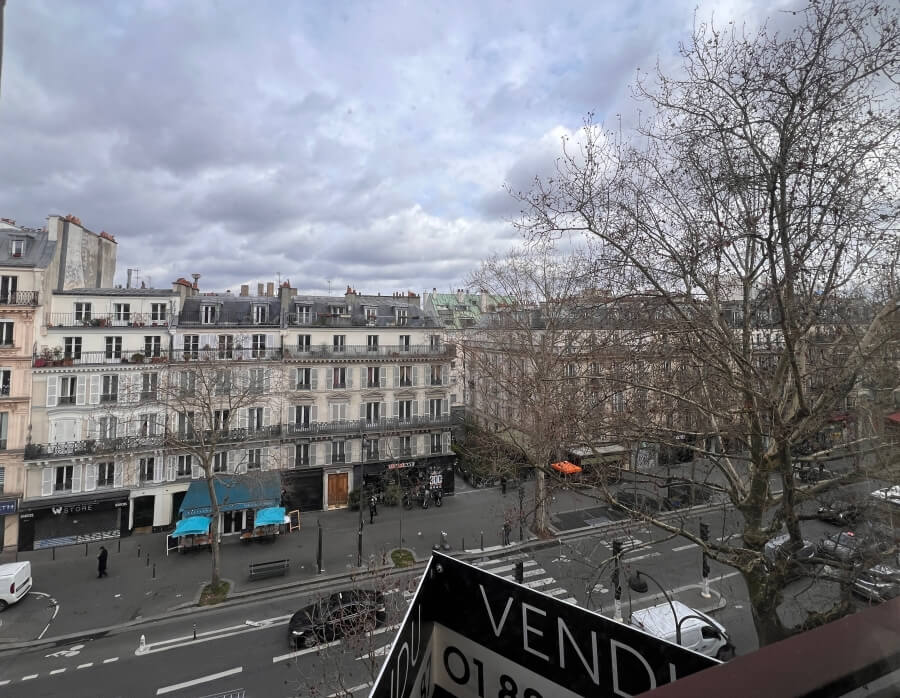
The most important real-estate story in France this week is the return of price growth in many major cities. According to the latest reporting based on the LPI–iad barometer, values rose in 2025 across a large number of urban markets, and that movement is continuing into early 2026. Bordeaux gained 3.9 percent, Reims 8 percent, Rouen 8.6 percent, and Toulon 7 percent. Paris was broadly stable overall, but apartments edged up and some prime arrondissements posted much stronger gains.
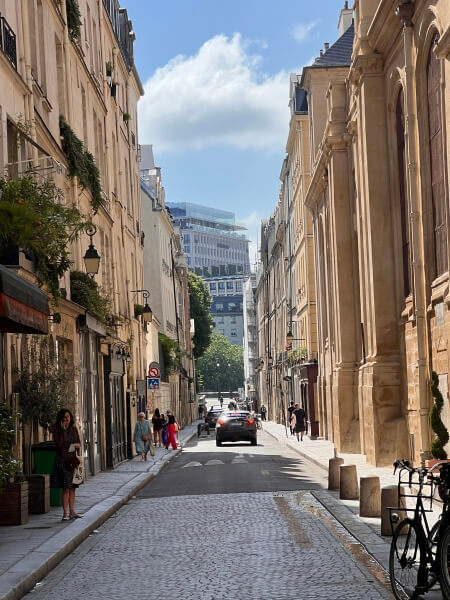
What makes this recovery so interesting is that it is highly selective. This is not a case of all boats rising with the tide. In Marseille, the elegant 8th arrondissement surged while northern districts lagged. In Paris, the spread from one neighborhood to another remains dramatic, with some areas still relatively affordable and others approaching eye-watering levels. The 7th and 16th arrondissements, for example, saw particularly strong increases.
To us, this confirms something we have said for years: in France, and especially in Paris, you do not buy “the market.” You buy a street, a building, a floor plan, a light exposure, a neighborhood, a lifestyle. The days when almost anything in a desirable city would float upward on momentum alone are behind us. Today’s buyers are more discerning. They want quality, energy performance, good condition, and a location that truly works for the way they live.
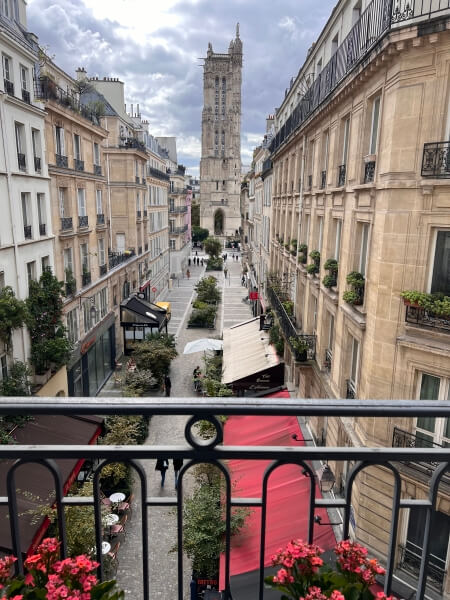
There is another reason behind the rebound: the shock of higher interest rates is no longer paralyzing the market in the same way it did at first. Buyers may not love the new financing reality, but many are adapting to it. Add to that a growing recognition that prices did not collapse as some expected, and you have the ingredients for a more active, more realistic market. As Le Monde noted earlier this year, the French market is restarting after several turbulent years, but without signs of runaway overheating.
For buyers, this is encouraging news. It suggests that the right property can once again appreciate in value. For sellers, it is a reminder that correct pricing matters more than ever. And for investors, it means the gap between strong assets and weak ones is likely to widen.
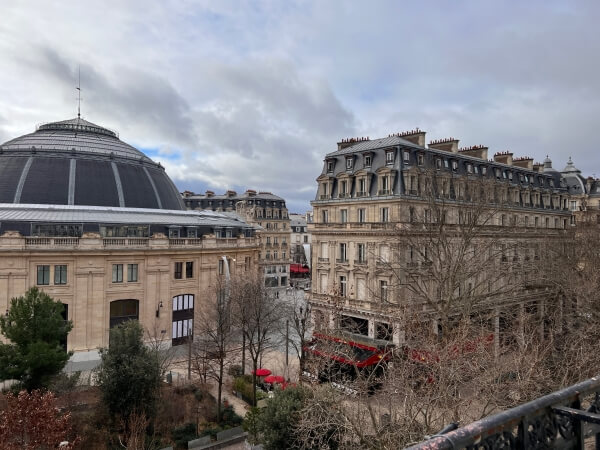 PART TWO: PARIS MAYORAL CANDIDATES ARE TURNING HOUSING INTO A MAJOR FAULT LINE
The second big story is political, but do not underestimate its importance for real estate. In Paris, housing has become one of the key dividing lines in the 2026 mayoral race. That matters because City Hall has enormous influence over the climate surrounding rent regulation, social housing, short-term rentals, vacant properties, and the overall tone toward private ownership and investment.
Broadly speaking, the left and the right are offering sharply different visions. On the left, Emmanuel Grégoire has proposed reaching 40 percent public housing by 2035, including 30 percent social housing and 10 percent intermediate housing. He also wants to convert vacant offices and underused land into housing supply.
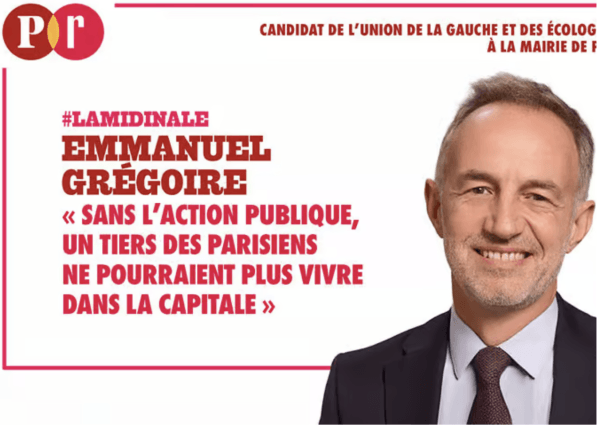
Sophia Chikirou is similarly interventionist, favoring stronger action on vacant homes and tighter restrictions on tourist rentals.

On the right, candidates such as Rachida Dati and Pierre-Yves Bournazel are associated with a more market-oriented approach. They argue that Paris cannot regulate its way out of a housing shortage and support reducing some of the current constraints, including scaling back rent controls and easing certain social-housing obligations. Their message is that the city needs to become more attractive to investment and less burdened by ideology.

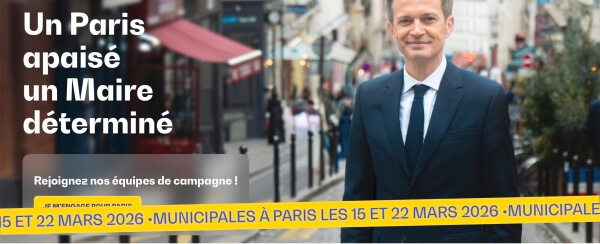
Pierre-Yves Bournazel
For property owners, this is not just campaign-season noise. The next mayor could help shape how aggressively Paris enforces rules on furnished tourist rentals, how it approaches vacant housing, and whether the city becomes more welcoming or more restrictive toward private landlords and second-home owners. Even when the mayor does not control every legal lever directly, the administration sets the mood, the priorities, and often the pressure points.
And that brings us to the bigger picture. French property is moving again, but selectively and intelligently. Paris remains a city of micro-markets, not averages. And as prices start to firm up, politics may become almost as important as square meters. In other words, real estate in France is no longer just about buying well. It is also about understanding where policy, regulation, and market psychology are headed next.
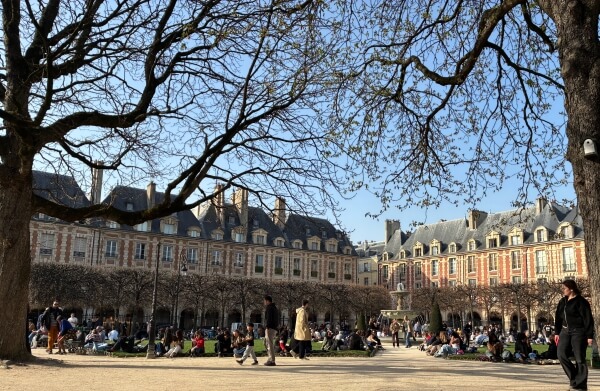
Let us help you navigate the Paris market. It’s what we do…
A bientôt,
 Adrian Leeds
The Adrian Leeds Group®
P.S. In addition to our property services, we also focus on living in France on a practial level based on our own experiences and the advice of a variety of those-in-the-know. Our website is the perfect place to begin your education into everyday life in France.
1 Comment
Leave a Comment
Let Us create a custom strategy for you
You can live or invest in France-now.
Property for sale
what's happening
Check out upcoming events, conferences, or webinars. Join us!
GET FINANCING
Learn about French Property Loan Information.
Read & Subscribe
Dive into more by reading the Adrian Leeds Nouvellettre®
Better yet, subscribe to both and get the updates delivered to your inbox.

Get started with your dream of owning property in Paris.
Join us on Youtube
Dive into more on how to live, invest & escape to France
Be sure to subscribe!
To read more, click the links below.
Bonjour Adrian,
I attended the apes-midi with John Eigenauer a few days ago…enjoyed it very much. Thank you.