
Adrian Leeds Nouvellettre®
Your taste of life in France!
Subscribe and don't miss an issue!
Paris 2026: The Mayoral Race That Will Shape How the City Feels—and, How Property Performs
By Jay Corless, edited by Adrian Leeds
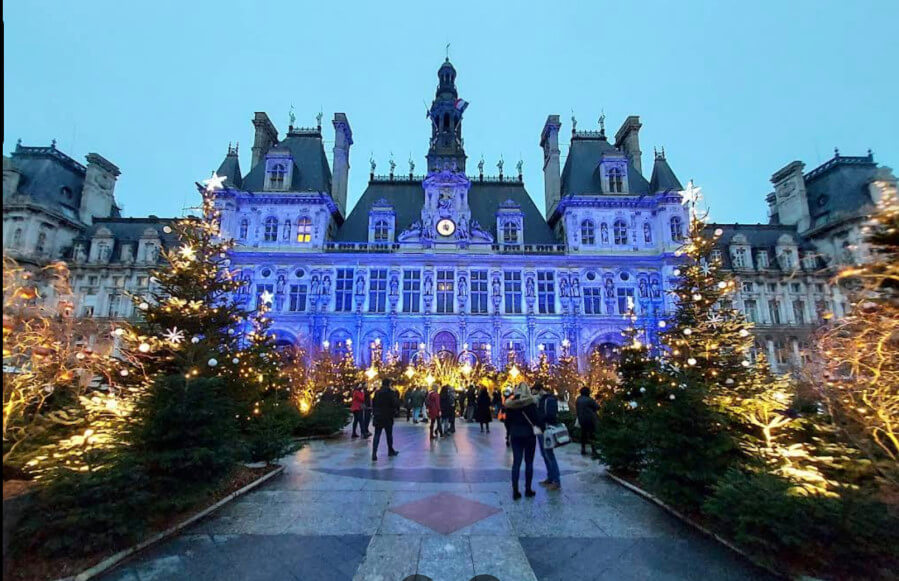
Paris is heading into a mayoral election that matters far beyond City Hall. With Anne Hidalgo stepping aside after two terms, the capital is poised for a political handover, or a continuation with a new face. The outcome will affect the things buyers and renters feel most immediately: how easy it is to move through the city, how streets function day-to-day, what “quality of life” means in different neighborhoods, and how confidently people invest in Paris long-term.
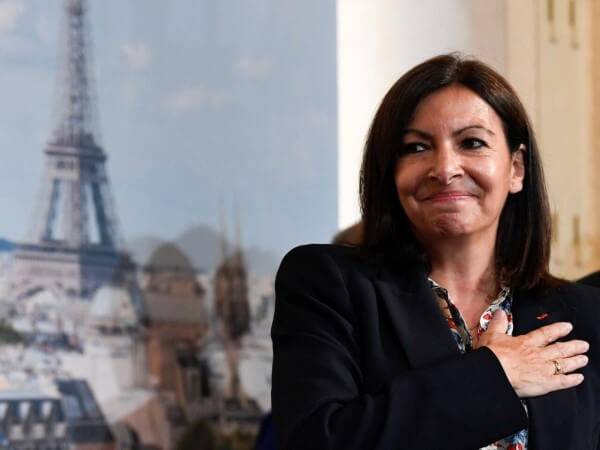
Anne Hildalgo
For North American clients, it’s tempting to see this as “French politics” and move on. But Paris is one of those rare cities where the mayor’s office touches real life in visible, daily ways. The municipal team shapes the public realm: street design, traffic and bike policies, public safety priorities, cleanliness, building works, neighborhood planning, and the general temperament of urban change—whether it feels collaborative or imposed.
THE BIG PICTURE: CONTINUITY VERSUS CORRECTION
A simple way to read this race is as a debate over Anne Hidalgo’s legacy. One portrait of the outgoing era is that it delivered major environmental changes, most notably the transformation of mobility in Paris, while also provoking resentment among some residents who felt the approach was too top-down.
THAT TENSION, PROGRESS VERSUS FRUSTRATION, NOW DEFINES THE CANDIDATES’ LANES
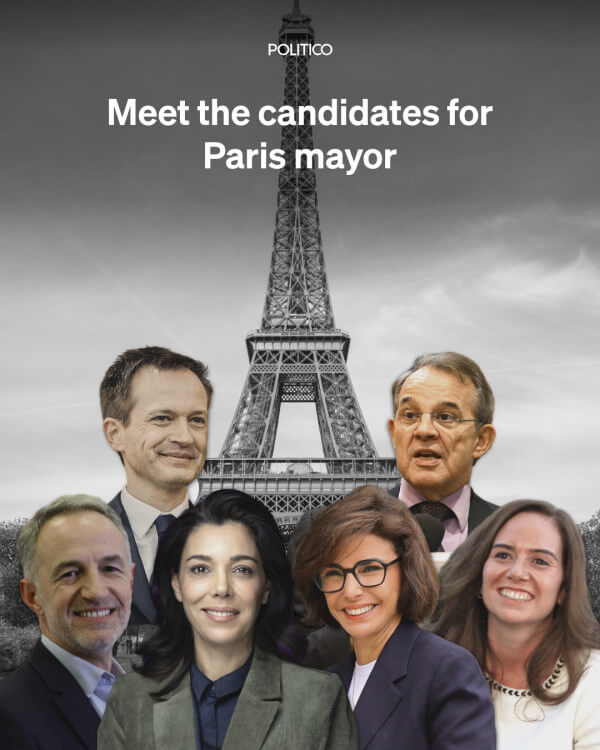
On the left, Emmanuel Grégoire is presented as the candidate most closely tied to the outgoing majority, with the advantage (and burden) of being seen as the heir to the governing project. If you’ve loved the direction of the past decade, less car dominance, more cycling infrastructure, a more assertive environmental agenda, Grégoire represents continuity, likely with some adjustments in tone. If you’ve felt the changes have been too disruptive, too fast, or too ideologically driven, he is also the easiest candidate to blame for “more of the same.”
Also on the left, Sophia Chikirou (La France Insoumise), is positioned as a challenger seeking to define the left’s future more sharply. In a Paris runoff system where alliances and withdrawals can decide everything, her presence matters even if she doesn’t lead the first round; she can reshape second-round arithmetic and pull the debate toward harder-edged themes on housing, inequality, and municipal power.
On the right, the most visible and arguably most polarizing—candidate is Rachida Dati. She is portrayed as campaigning with a high-voltage, highly visible style, polling strongly, and also facing a corruption trial later in 2026 (after the election). For many voters, Dati represents a full reset, less patience for what they perceive as “anti-car” governance and more emphasis on order, responsiveness, and traditional city management. For others, she represents a shift backward from Paris’s climate trajectory, and the “drama risk” of politics becoming performative rather than practical.
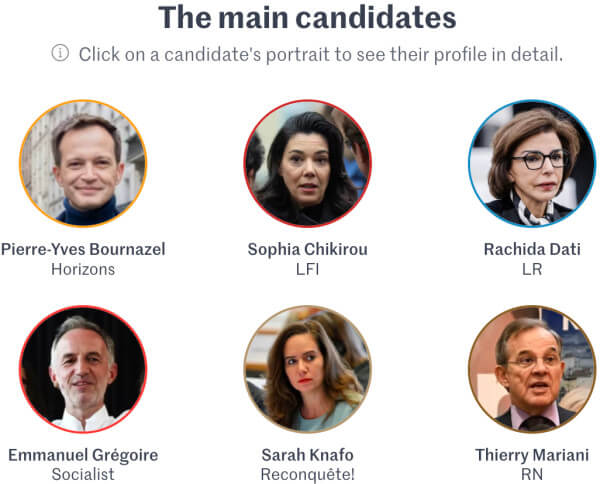
Then there is Pierre-Yves Bournazel, who is trying to carve out a genuine “middle road.” In one interview, he explicitly rules out alliances with either Grégoire or Dati, framing himself as the candidate who refuses to be absorbed into the usual left-right runoff choreography. He is also presented as attempting to speak to voters who want neither the outgoing majority nor a hard-right correction, without being labeled “pro-car”, while acknowledging that many Parisians feel battered by the last decade of mobility disruption.
Finally, there are far-right candidates, including Sarah Knafo (Reconquête) and Thierry Mariani (RN), both described as unlikely to win but relevant in the way they push themes like security and national identity into the Paris conversation.
WHY THIS MATTERS FOR PROPERTY OWNERS, BUYERS, AND RENTERS
Let’s make this tangible. In Paris, real estate is never just about square meters and ceilings. It’s about how the street works. It’s about noise, light, access, safety, perceived upkeep, and the ease of daily life. And those things are shaped by the city’s policies on mobility, public space, and enforcement.
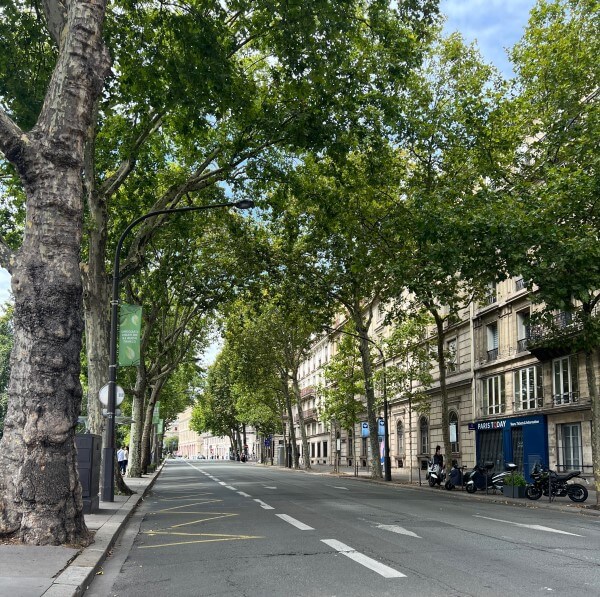
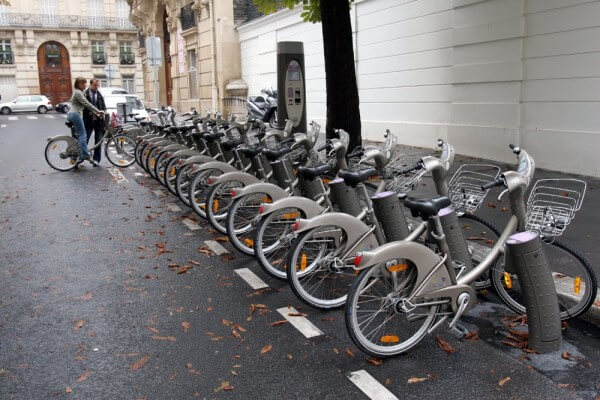
Mobility is the loudest, and most emotional topic in this race because it changes what neighborhoods feel like. The outgoing administration is credited with a major cycling transformation and improved air quality tied to reduced traffic in parts of the city, while also facing real backlash from residents who feel the changes were imposed rather than negotiated.
If Grégoire wins, you should expect Paris to largely stay on that trajectory: continued rebalancing away from cars, continued investment in bike and pedestrian infrastructure, and continued pressure to “green” the city’s everyday operations. If Dati wins, the tone likely shifts: her voters often want fewer constraints on driving and a more traditional notion of circulation and access. If Bournazel breaks through, his pitch is essentially managerial: keep what works, correct what doesn’t, and stop forcing Parisians into an either/or culture war.
Then there’s governance style, something expats underestimate at first, because it sounds abstract until you live through it. A top-down city hall can accomplish big projects, but it can also leave residents and “copropriétés” feeling unheard. A more “repair the basics” approach can feel less glamorous but more reassuring: cleaner streets, more predictable works, faster response to neighborhood concerns. The outgoing era has been portrayed as both transformative and resented, and every serious candidate is, in one way or another, responding to that mood.
And finally, quality of life, cleanliness, safety, and order, has become a kind of informal property currency. Buyers ask about it at viewings. Renters make decisions based on it, especially families or retirees. The far-right campaigns lean heavily into those themes, but they also pressure the center and mainstream right to adopt tougher language, and they pressure the left to prove it can deliver a city that feels well managed as well as ideal driven.
THE RUNOFF FACTOR: THE REAL ELECTION MAY BE IN THE SECOND ROUND
Paris municipal elections often hinge on the second round, and this year’s big question is whether the right consolidates or splits. One candidate profile is striking because it rules out alliances, even though alliances are often the mechanism by which candidates actually win Paris. That same reporting raises the possibility that if the second round becomes a three-way race and no one withdraws, the left could benefit and retain City Hall.
That matters for the property conversation because it shapes expectations. If a continuity, left outcome looks likely, buyers may assume policy stability and continued environmental tightening. If a right consolidation looks likely, buyers and owners might anticipate a shift toward circulation, security, and a different pace of change.
WHAT TO WATCH IF YOU LIVE HERE—OR WANT TO
For our readers, the best approach is not to “pick a side,” but to track the policies that most affect livability and therefore long-term value: the future of street reconfigurations; the balance between bikes, cars, and deliveries; the tone on cleanliness and enforcement; and whether the next mayor governs by grand project or by neighborhood repair.
Paris will remain Paris: scarce, desirable, and emotionally magnetic. But the version of Paris you buy into, calmer or more circulatory, more regulated or more flexible, more continuity driven or more corrective, will be shaped in this election. And for anyone buying property, signing a long lease, or planning a relocation, that context is not political trivia. It’s the operating system of the city you’re choosing.
For more information, visit Le Monde’s website. And here’s another guide in English.
Let us help you make the best decisions in your property purchase or selecting a rental property. It’s what we do best. Visit our website to learn why and how.
A bientôt,
 Adrian Leeds
The Adrian Leeds Group®
P.S. In addition to our property services, we also focus on living in France on a practial level based on our own experiences and the advice of a variety of those-in-the-know. Our website is the perfect place to begin your education into everyday life in France.

Let Us create a custom strategy for you
You can live or invest in France-now.
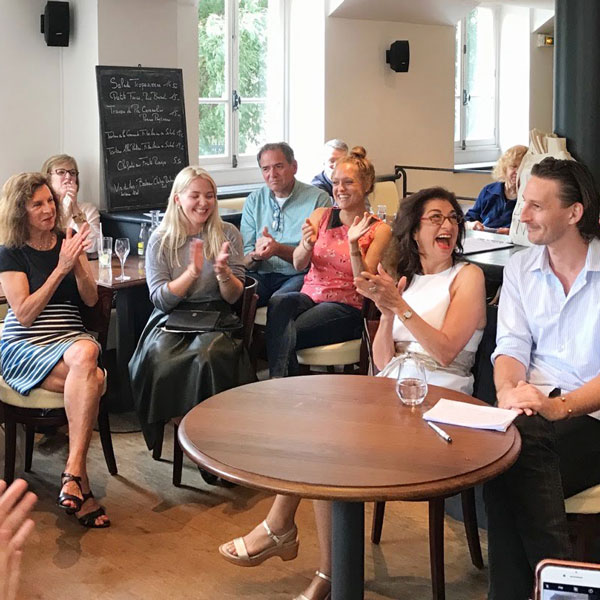
Join us at our monthly Après-Midi.
Become a part of the Paris community.
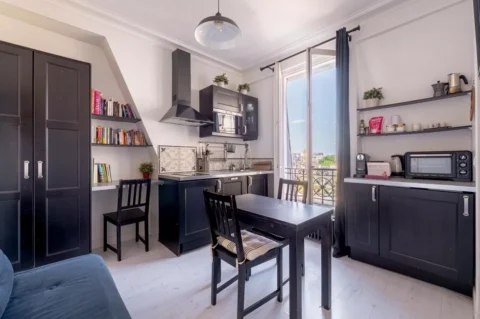
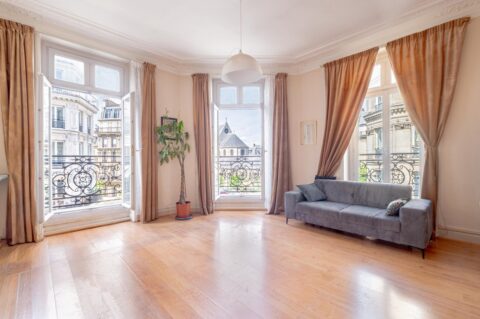
Property for sale
Read & Subscribe
Dive into more by reading the French Property Insider
Better yet, subscribe to both and get the updates delivered to your inbox.
Global Money Services
Our contacts will help you invest in France.


See Adrian on HHI

Join us on Youtube
Dive into more on how to live, invest & escape to France
Be sure to subscribe!
To read more, click the links below.