

Adrian Leeds Nouvellettre®
Your taste of life in France!
Subscribe and don't miss an issue!
Role Models, Model Trucks and Riviera Roads
JOLIE JOLI
The Musée Carnavalet – Histoire de Paris is one of my favorites and should not be missed, even if it’s your first time in the City of Light.
Start with lunch at “Joli“—the restaurant inside the gardens of the museum—before seeing the exhibitions, or for an early dinner after. It opened under the JOLI name in 2025 and is designed as more than a museum café: it combines a Parisian bistro, cocktail bar and evening restaurant, totally chic and absolutely elegant. During the day, there is a lself-service café operation; in the evening, the garden and historic interiors become candlelit, with music and sometimes a DJ. It’s not cheap, but well worth the €29 for two courses (or €39 for three) with choices from a few select dishes.
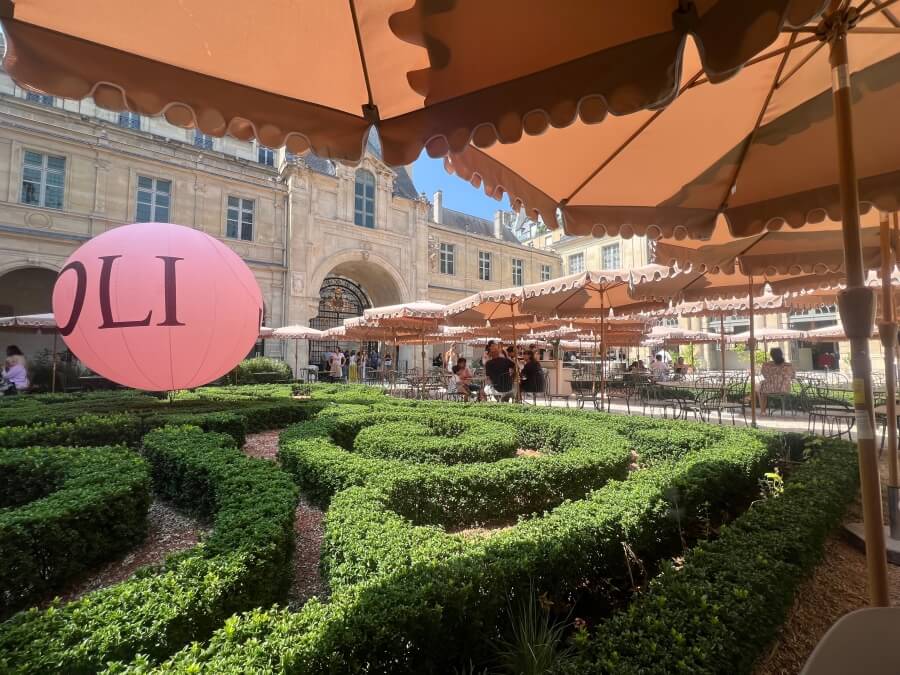
The setting is the principal attraction. Dining in the Carnavalet gardens, surrounded by the historic hôtels particuliers of the museum, is unusually beautiful—especially on a warm evening. The new indoor rooms are also striking, with a mirrored ceiling, contemporary furnishings and décor inspired by works in the museum.
Reviews of the food are somewhat mixed: many diners praise the attractive, carefully composed dishes and reasonable pricing, while at least one serious Paris restaurant reviewer considered the execution disappointing relative to the magnificent surroundings. We thought it was all as close to perfect as it gets, so don’t listen to the naysayers.
Here’s how you make a reservation.
FRANCO-AMERICAN FRIENDSHIP
An exhibition on till September 27th at the Carnavalet is “1776–2026: 250 Years of Franco-American Friendship,” free to visit as it’s included with the permanent collections. Rather than being a large blockbuster exhibition, this is an accrochage—a focused display of selected works from the museum’s own collections. It tells the story of the relationship between Paris and the United States through objects, paintings, prints, medals, and historical documents.
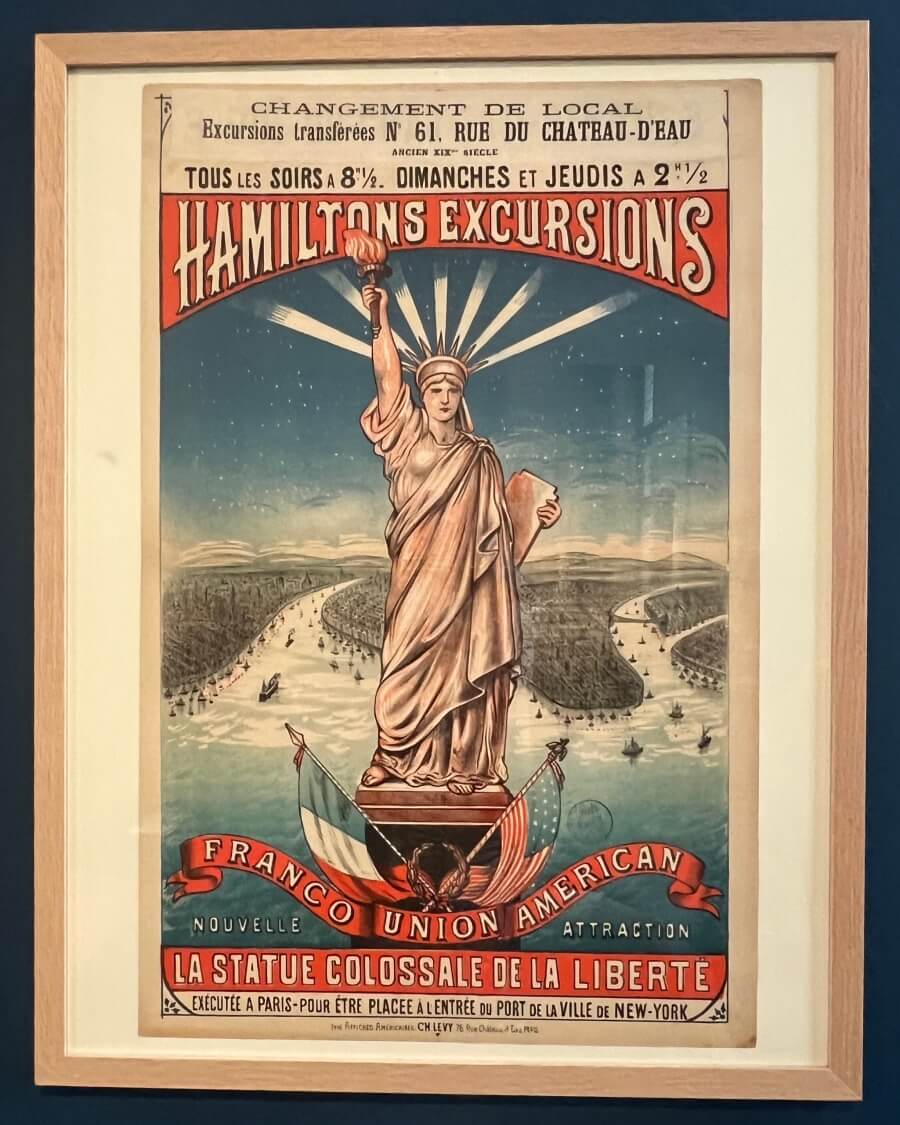
It’s worth seeing because it’s relatively small—you can comfortably see it fully in 20–30 minutes—making it an ideal addition to a visit to the museum. It also provides historical context that many of us Americans never learn in school. Namely, just how crucial France’s financial, naval, and military support was to the success of the American Revolution. (Do you remember learning much about that? I don’t!) It serves as a reminder that the relationship between the two countries extends back 250 years and has repeatedly shaped both nations’ histories.
A ROLE MODEL FOR WOMEN TO TREASURE
The other exhibition to see right now is “Madame de Sévigné: Parisian Letters.” It does have an entry fee. This is the museum’s headline exhibition, marking the 400th anniversary of the birth of Marie de Rabutin-Chantal, Marquise de Sévigné (1626–1696), one of France’s greatest letter writers. (The exhibition runs only through August 23rd.)
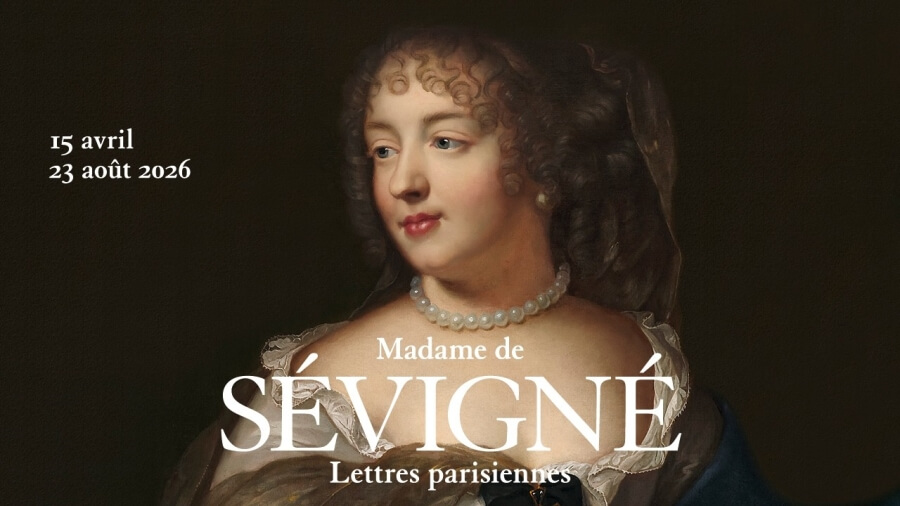
It’s special because not only does it explore her life through more than 200 objects, including portraits, manuscripts, books, furniture, and personal possessions, but her famous letters are used as a window into daily life in 17th-century Paris—court politics, society, fashion, family life, and the city’s major events.
Madame de Sévigné was not a political activist in the modern sense—she never campaigned for women’s rights or challenged the legal system directly—yet she had an enormous influence on how women were perceived intellectually and culturally.
She demonstrated that a woman’s intellect deserved to be taken seriously. In 17th-century France, women’s education was limited, and their writing was rarely considered important literature. She changed all that—not by publishing books, but by writing extraordinary letters that revealed political insight, wit, literary skill, psychological observation, and even humor.
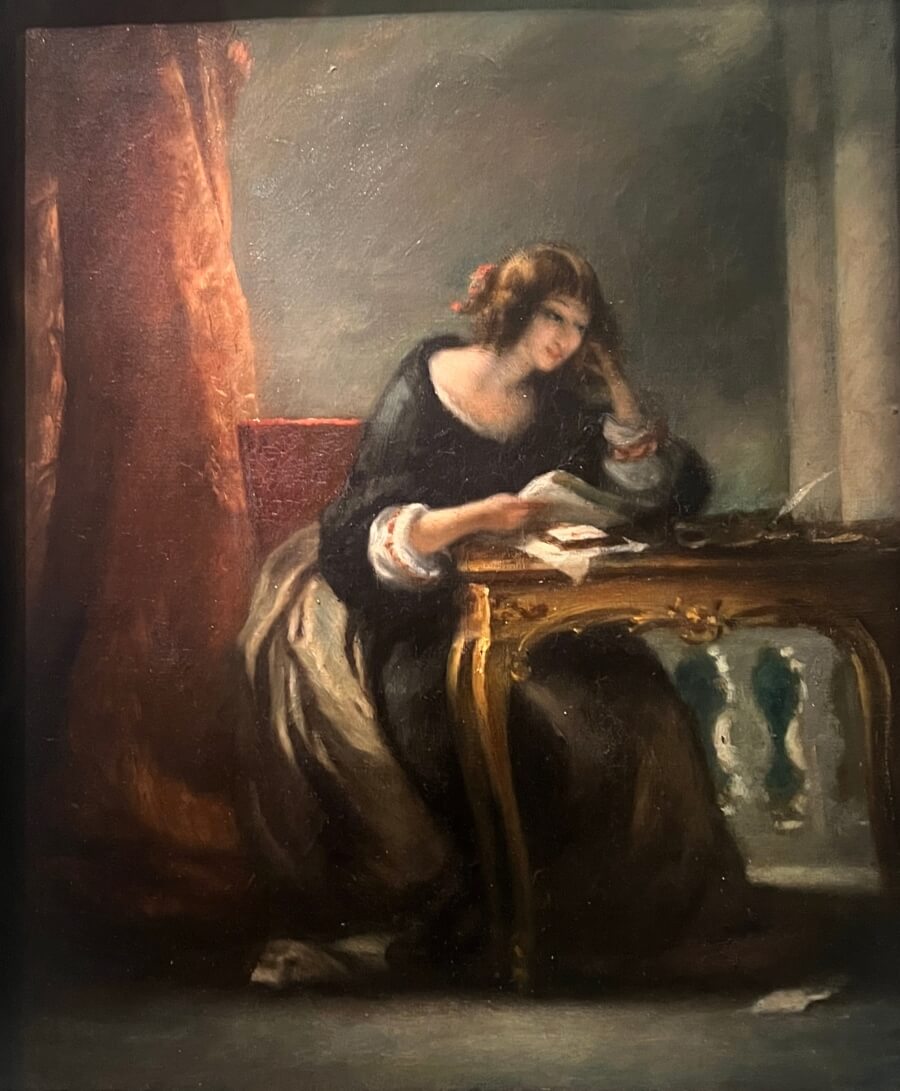
She also became a model of female education, as an example that women could be intellectually accomplished without sacrificing elegance or social standing. She was instrumental in making “the salon” an intellectual space, many of which were run by women—places where writers, philosophers, politicians, and artists exchanged ideas.
Madame de Sevigné modeled female independence. She became a widow at age 25 after her husband was killed in a duel and rather than remarrying—a common expectation—she managed her estates, raised her children, and maintained considerable financial and social independence. While she still operated within the constraints of her class and era, her life demonstrated that a widow could exercise agency over her own affairs.
Before Sévigné, letters were generally viewed as private communications. She transformed them into an art form, and from the 18th-century onward, other women looked to her as proof that women’s voices deserved a wide readership. Although she never intended her letters for publication—they were written primarily to her beloved daughter—they became one of the greatest treasures of French literature. What began as private correspondence ended up giving generations of readers a woman’s perspective on one of the most fascinating periods in French history.
She became a role model we should all treasure.
ANOTHER ROLE MODEL
Lee Miller is another one. Funny enough, one of my sisters is named Lee Miller—but this Lee Miller is definitely NOT my sister!
My daughter is a photographer, and we’re both collectors, so whenever we’re together in Paris, we make a point of seeing photography exhibitions. Paris never disappoints, and the Musée d’Art Moderne de Paris has hit a home run with its current retrospective of Lee Miller, the largest mounted in France in more than twenty years. It runs through August 2nd.
I walked away amazed—not just by her photography, but by the remarkable life she lived. Until now, she appeared to just be Man Ray’s muse. This exhibition makes it abundantly clear that history sold her short.
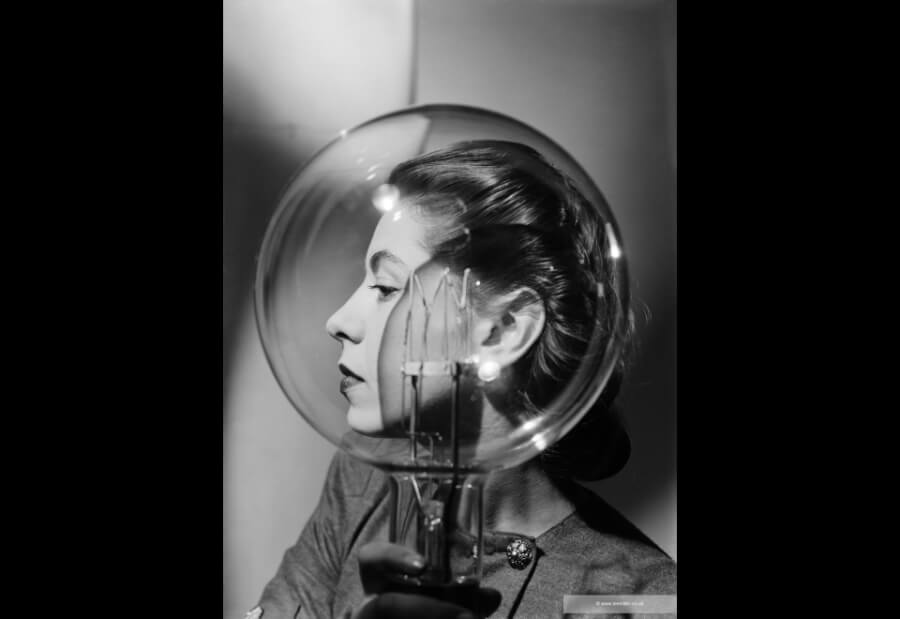
Lee Miller reinvented herself over and over again. She started as a fashion model in New York, became an accomplished artist in Paris, worked alongside the Surrealists, photographed for Vogue, and ultimately became one of the bravest war correspondents of World War II. Paris, as it has for so many of us, changed the course of her life. She came to work with Man Ray but quickly proved she was much more than his model or assistant—she was his creative equal.
The surrealist photographs are fascinating, but what stayed with me were her wartime images. She photographed the liberation of Paris and was among the first to document the horrors of the concentration camps. You don’t just look at these photographs, you feel the weight of what she witnessed.
Of course, everyone knows the iconic photograph of Lee Miller in Hitler’s bathtub. Seeing it in the context of the exhibition completely changes its meaning. She had just returned from Dachau, her muddy boots still beside the tub. It’s less a shocking image than a profound statement about humanity triumphing over evil.
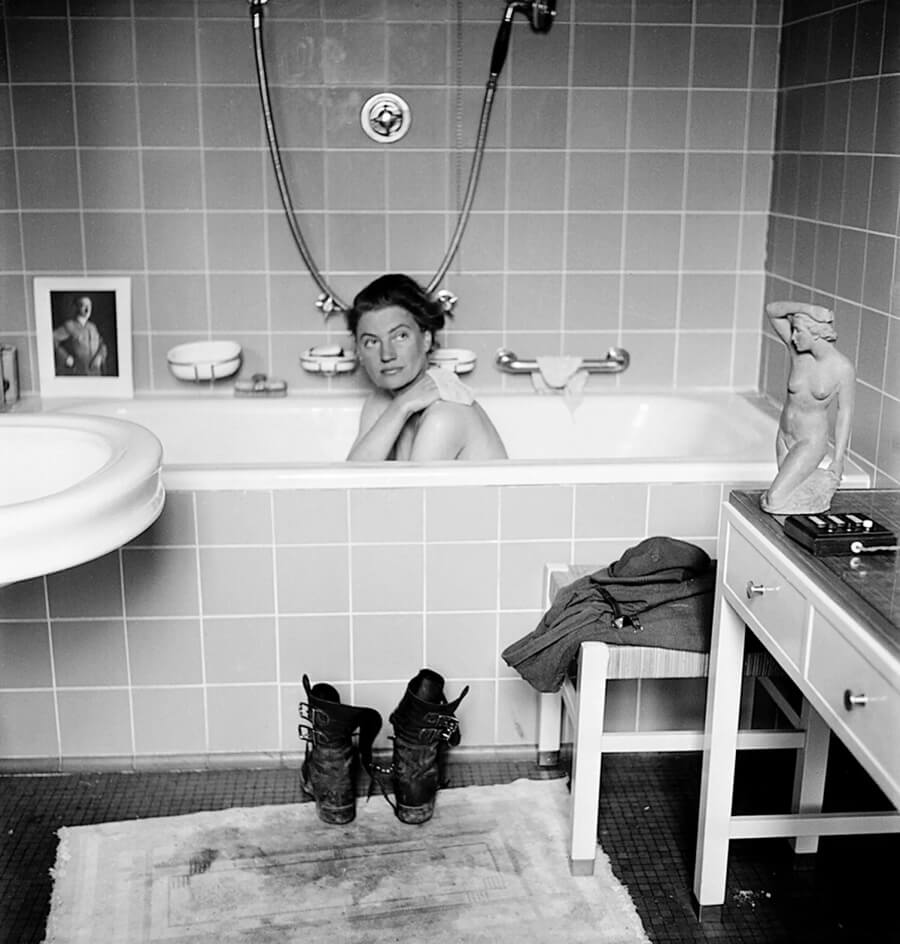
The exhibition includes nearly 250 photographs, yet it never feels overwhelming. Instead, it tells the story of a woman who refused to be defined by anyone else’s expectations. She wasn’t simply documenting the twentieth century, she was helping us understand it.
What struck me, after also seeing the Madame de Sévigné exhibition at the Musée Carnavalet, is how these two women—separated by nearly three centuries—left us very different but equally powerful records of their worlds. Sévigné captured the inner life of 17th-century France through her letters. Lee Miller captured the triumphs and tragedies of the 20th-century through her camera. Both found their own voice, and both left an extraordinary legacy.
SUMMER IN THE SOUTH
Tomorrow I’m headed south to Nice on the TGV for the rest of the summer. I am looking forward to a more moderate climate, the sea at my toes, central air conditioning in my Nice apartment, and a more relaxed ambiance. My daughter and her son—now just over 20 months old—will be joining me for 10 days to take advantage of what Nice and the Côte d’Azur have to offer.
A rental car has been booked* so that we can take advantage of day trips to points beyond, of which there are many. It’s tough to decide where and when with so much available. Planning that we’ve been doing this past weekend. Traveling with a 20-month-old is our biggest challenge—scheduling things around nap time and ensuring there are enough favorite toys with which to play and keep him occupied.
For those 10 days, the floor of my Nice apartment will be his own playground, likely filled with miniature trucks (he’s obsessed with garbage trucks and garbage bins) and earth-movers of all kinds: excavators, bulldozers, skid-steers and dump trucks. He’s mesmerized by Blippi videos, although my daughter wants to keep screen-time to a minimum.

ChatGPT laid out an itinerary for us, but it’s not always so smart. For example, it suggested going to Ventimiglia for market day on Sunday, when everyone knows market day there is Friday! Also, driving there is not ideal because parking is its own challenge—best to take the train there and back making it stress-free and easy (the train station is a short walk from the market).
It didn’t recommend taking advantage of the Festival “Les Nocturnes de la Villa” at the Villa et Jardins Ephrussi de Rothschild, on till August 25th, but that may be a particularly wonderful thing to do!
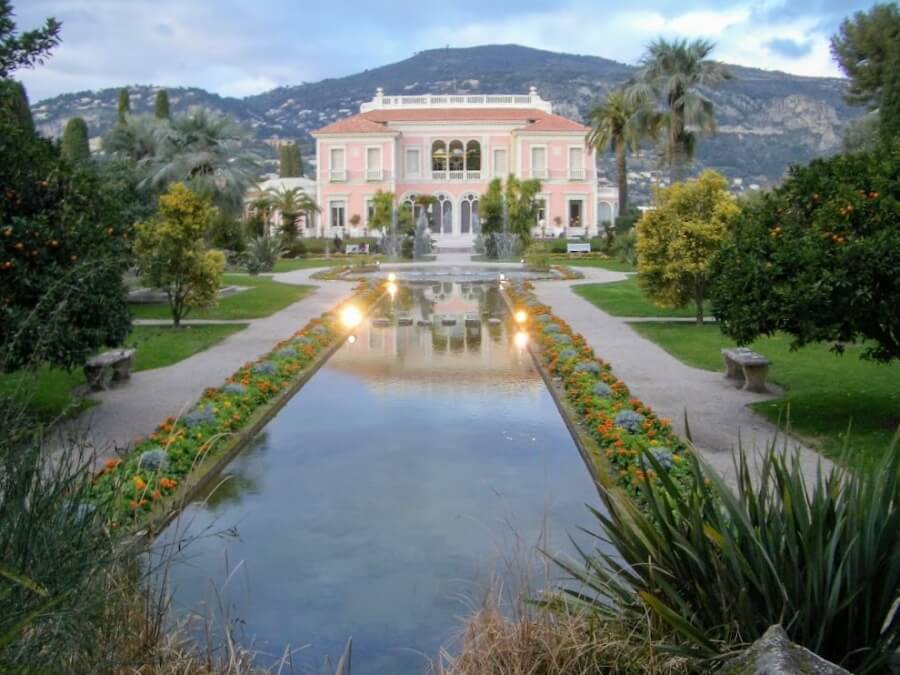
The Villa et Jardins Ephrussi de Rothschild
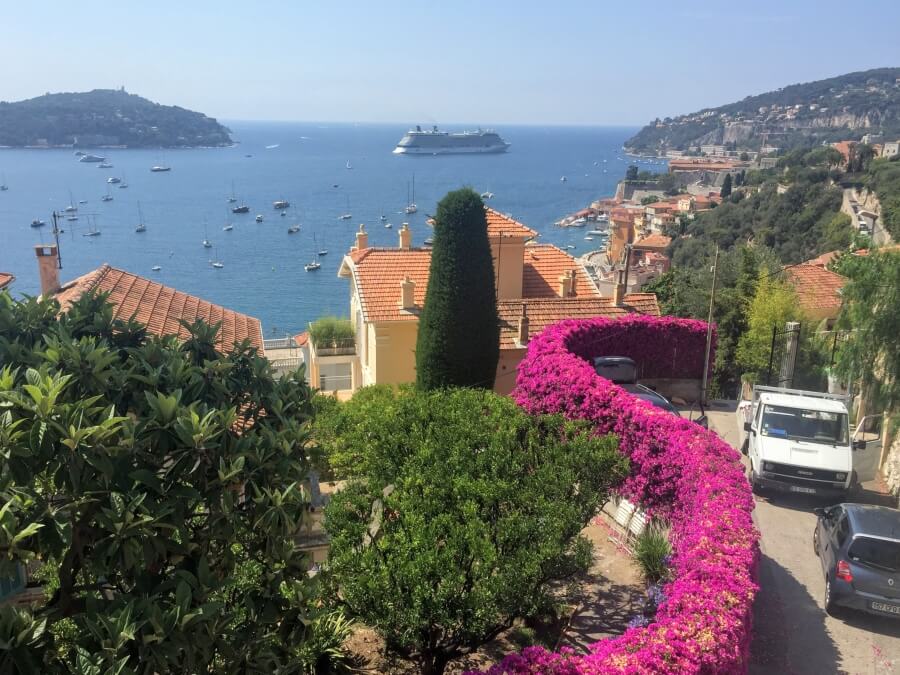
On the potential agenda for the week are such spots as Saint-Jean-Cap-Ferrat, Èze, Monaco, Ventimiglia, Saint-Paul-de-Vence, Tourrettes-sur-Loup, Gourdon, Gorges du Loup, Antibes and Cap d’Antibes, Menton…among others. This assortment balances seaside villages, mountain scenery, markets, history, and leisurely lunches. One thing for sure: all of it’s beautiful!
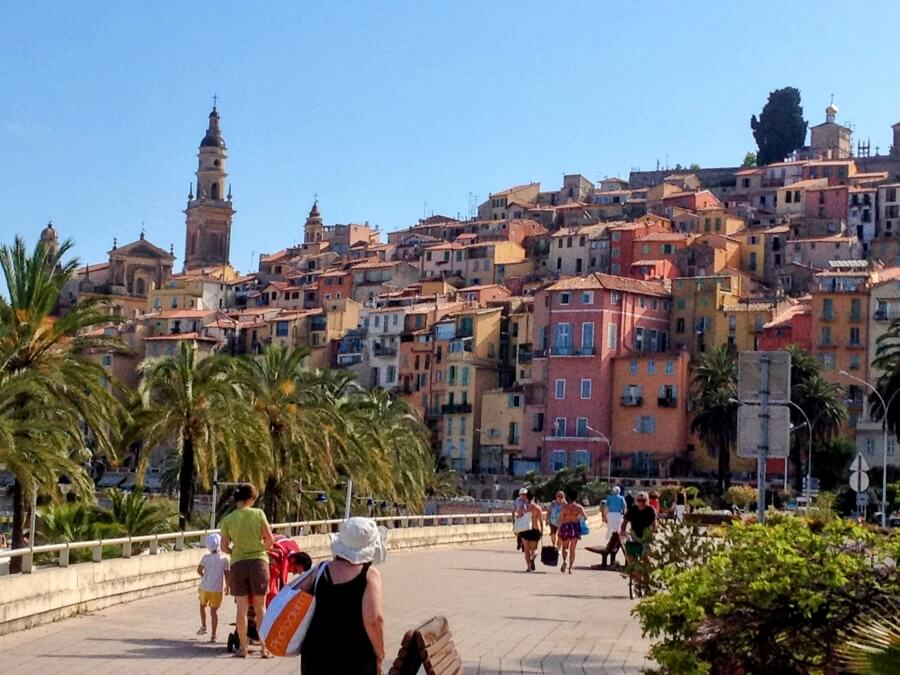
View of the village of Menton
The only spot on the list I haven’t yet visited is the Gorges du Loup and looking forward to seeing it beautiful waters. But, there is so much to see and do in the immediate vicinity that you’ll understand why someone needs a lot of time to get to know the French Riviera!
*Note: I recommend Sixt for all your rental car needs! Personal experience has taught me that they are the best, easiest, most reliable and not at all more expensive than the others.
A la prochaine…
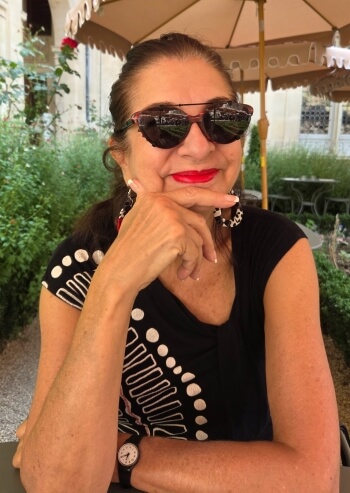 Adrian Leeds
The Adrian Leeds Group®
Adrian at Joli
P.S. In addition to our property services, we also focus on living in France on a practical level—like getting around, cultural events, healthcare, etc. Our website is the perfect place to begin your education into everyday life in France.

Let Us create a custom strategy for you
You can live or invest in France-now.
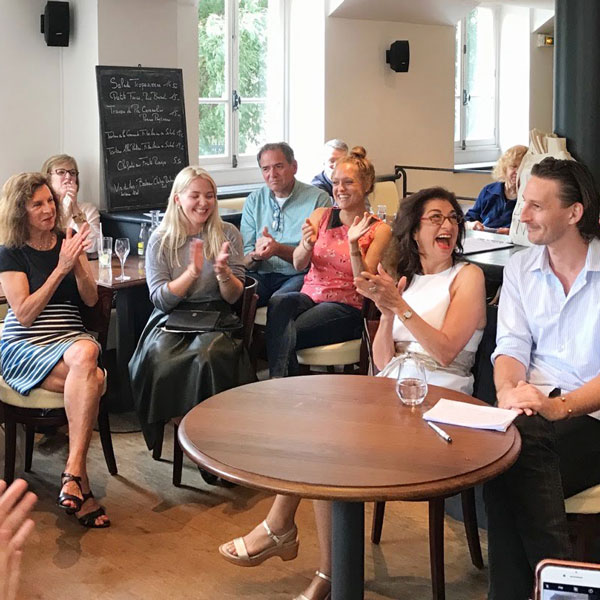
Join us at our monthly Après-Midi.
Become a part of the Paris community.
Property for sale
Read & Subscribe
Dive into more by reading the French Property Insider
Better yet, subscribe to both and get the updates delivered to your inbox.
Global Money Services
Our contacts will help you invest in France.


See Adrian on HHI

Join us on Youtube
Dive into more on how to live, invest & escape to France
Be sure to subscribe!
To read more, click the links below.