

Adrian Leeds Nouvellettre®
Your taste of life in France!
Subscribe and don't miss an issue!
The Art (and Reality) of Moving Abroad

Nearly four in ten Americans say they are considering a move abroad—or actively planning one—convinced that life overseas would make them happier. That’s according to a Harris Poll of more than 6,300 U.S. adults, conducted between August 2024 and February 2025.
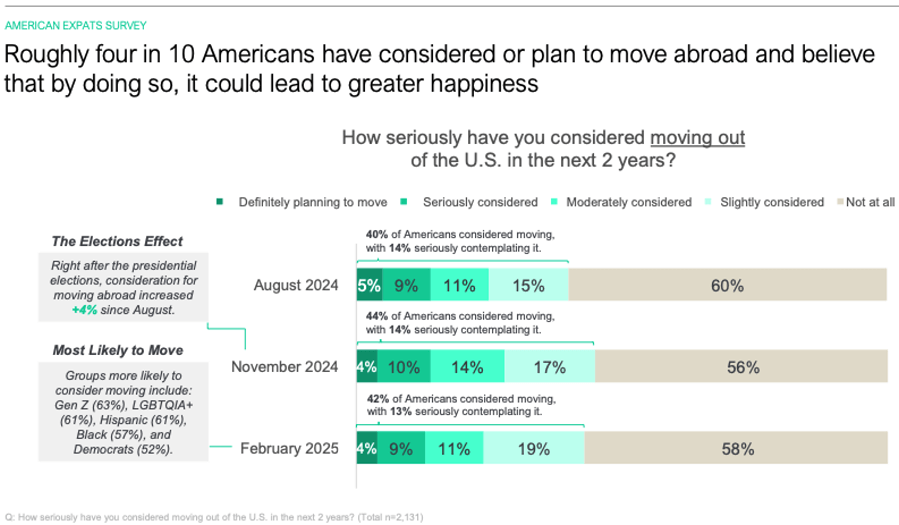
That’s already one year ago, so you know that these numbers are surging now after one year of the current presidential administration. This growing urge to leave isn’t happening in a vacuum. It’s being fueled by the social and political shifts in the U.S., the normalization of remote work, and the emergence of new options such as digital nomad visas, which make living abroad more accessible than ever.
While there’s no official tally of Americans living overseas—estimates range between four and eight million—those who have already taken the leap often cite compelling advantages: more affordable healthcare and a healthier work-life balance among them. And the contrast is striking. In Remote’s 2025 global work-life balance study, the United States ranked 59th out of 60 countries analyzed.
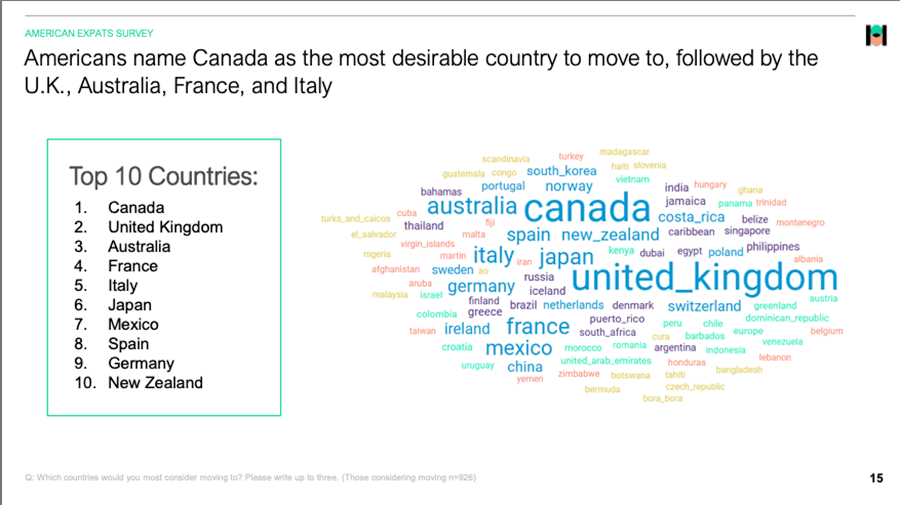
I wonder if Donald Trump knows this? If he rids the country of immigrants, if immigrants choose to leave themselves, if law-abiding citizens (40%!) are dreaming of a new and better life OUTSIDE of the U.S., and as we know, international tourism to the U.S. is way down (roughly 5–6% in 2025 compared with 2024) because people are frightened to travel there, among other reasons…would he care? It certainly doesn’t seem so. Meanwhile, he’s getting richer while most of his constituents are getting poorer.
Forbes reported that Trump’s net worth roughly doubled after he returned to office, rising from around $3.9 billion in 2024 to about $7.3 billion by late 2025. Other estimates—including some cited by major outlets like The New York Times—put his overall wealth even higher (around $10 billion) depending on how assets are valued. Meanwhile, tax and budget policies enacted under the current administration are projected by nonpartisan analysts to reduce incomes for most except the very richest, and cuts to social safety nets (health care, food assistance) hit low-income households hardest.
So, dream, but don’t just dream—act on your dreams.
Whether you’re dreaming of Parisian mornings, or a slow-paced new life by the sea, moving abroad is one of life’s most thrilling transformations—and, trust me, one of the most deliberate.

Here’s how seasoned expats actually make it work—in six smart, practical strokes.
1. Know Your Money—Really Know It
This isn’t a vacation—it’s a lifestyle investment. Before you book a one-way ticket, figure out your financial baseline. Save a cushion for the “unknowns”: rent surprises, health emergencies, and flights home when homesickness strikes (I doubt that will ever happen). The 70/20/10 rule (house, savings, discretionary) helps you understand how to balance life overseas with peace of mind.
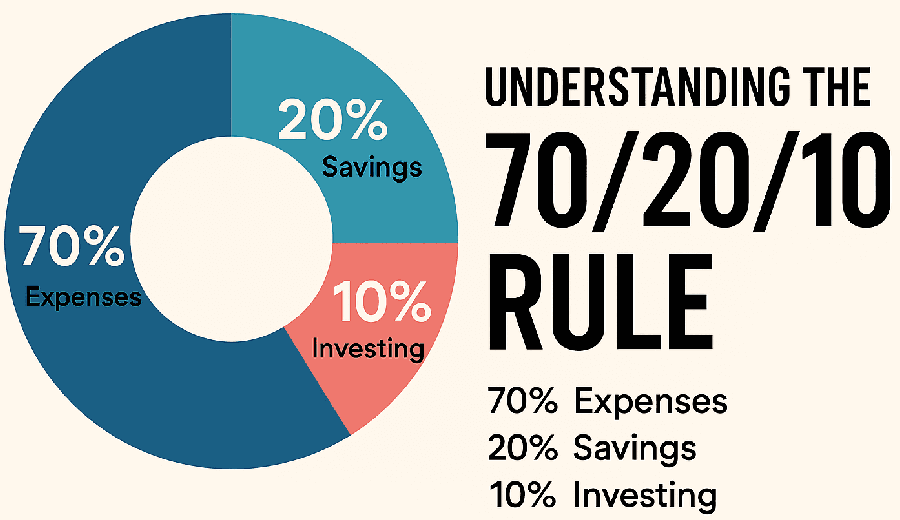
What is the 70-20-10 rule? The idea is simple: divide your resources into three buckets. Seventy percent goes toward everyday living expenses, twenty percent is set aside for savings or long-term financial goals, and the remaining ten percent is earmarked for giving, investing, or personal development.
2. Health and Insurance: Don’t Skip This
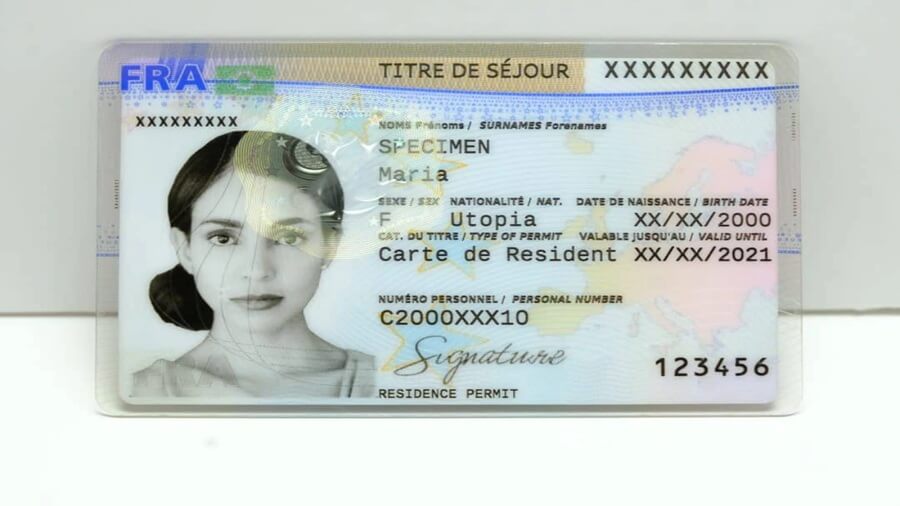
One of the biggest perks of leaving the U.S. can be simpler, more affordable healthcare. But systems vary widely, and figuring out how you’ll be covered—whether through local plans or international insurers—is a must. Some countries offer public health benefits, others require private coverage. Knowing before you go saves stress (and money). One of the best healthcare systems in the world is in France. And it’s about one-tenth the cost of healthcare in the U.S. With a “Carte de Séjour Visiteur” (visitor visa), you can get on the French healthcare system within the first year of living in France…and that pays off big time!
3. Spy the Real Life—Not Just the Holiday
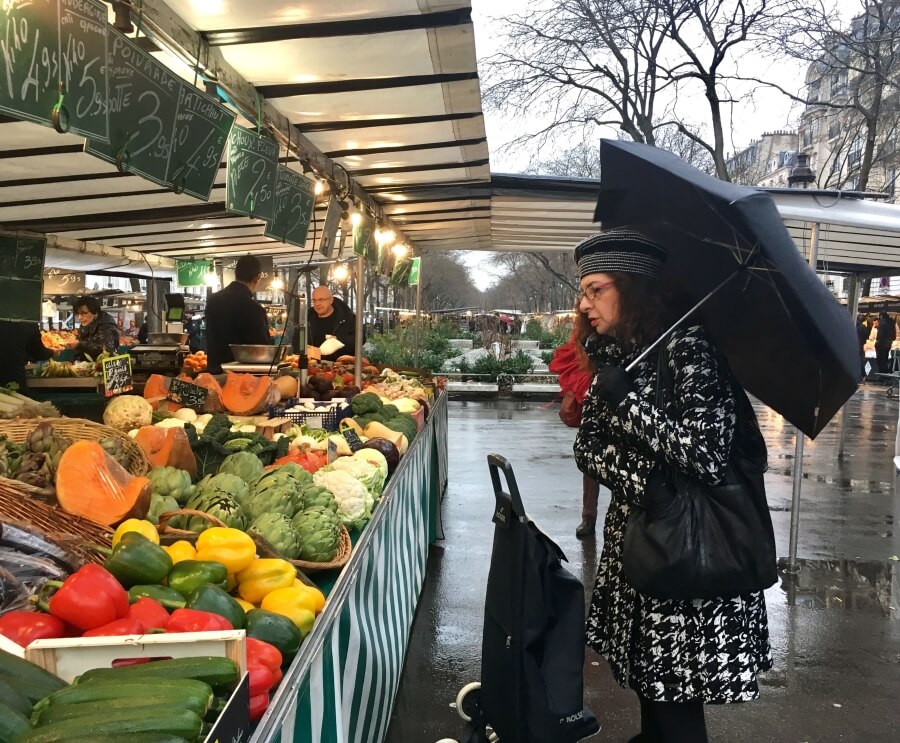
A dreamy destination can feel very different when you’re doing laundry or grocery shopping there. Research logistics like visas, housing markets, cost of living, and the real rhythm of local life. Extended stays—think a month or more before committing—give you invaluable insight. We recommend 90 days if you can afford to take it. You don’t need to traipse all over the country looking for a great place to land, if you work with us first to determine what suits you best. We experienced Americans-in-France have the knowledge you might lack, saving you time, money and angst!
4. Keep Ties Back Home (and Nurture New Ones)
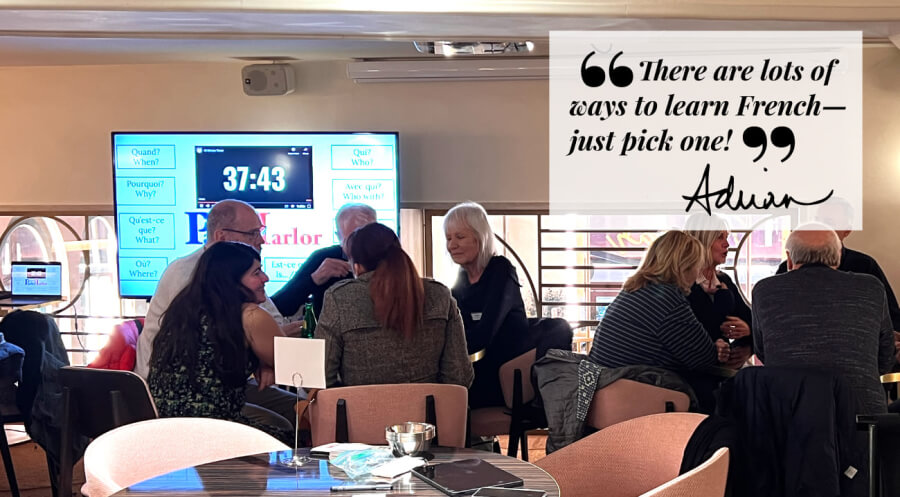
Moving across borders doesn’t mean cutting roots—it means expanding them. Plan visits with loved ones, and intentionally build community where you land. Language classes, local clubs, and small-world networks make a big difference in settling in and feeling at home. If you work with us, you’ll be part of our growing community and I promise you’ll make more friends in 90 days than you’ve made your entire life!

Warning: DON’T invite all your friends to come visit thinking you won’t have friends and will be lonely. While you’re creating a new life for yourself, and meeting so many new and interesting people, your old friends will land on your doorstep and want/need to be led around by the nose, while you want to be off doing something new and fun for yourself. It could quash your plans! Encourage them to come later, once you’ve settled in!
5. Learn the Language—Even Just the Warm Greetings
Fluency isn’t required on day one, but a few phrases do wonders. Speaking the local language opens doors (and hearts), from your favorite café owners to neighbors you’ll eventually wave at each morning. We call it “Survival French.”
Here are 13 French Words/Phrases You Need to Survive:
1. Bonjour, madame/monsieur
2. Merci beaucoup
3. S’il vous plaît
4. Oui
5. Non
6. Pardon
7. Excusez-moi
8. D’accord
9. Je ne comprends pas
10. L’addition, s’il vous plaît
11. Pouvez-vous m’aider ?
12. Bonne journée
13. Bonne soirée
6. Hire Help—It’s Not a Cop-Out, It’s Smart
Relocation services aren’t only for high-rollers. From digital-nomad visa specialists to platforms that match you with countries based on lifestyle, there are tools to streamline complicated paperwork and help you avoid common pitfalls. That’s us. That’s what we do…for France.
I hear story after story about or from people who tried to do this on their own and ended up either with a mess or having spent way more money than they needed to. We see these people on social media complaining how it’s impossible to find an apartment or have a landlord approve you as a tenant. And they ended up spending a fortune in short-term rentals while they were trying. They complain that they were rejected for a visa because they didn’t have the right paperwork or some dumb reason they could have avoided, if only they had a professional helping them along the way. Don’t be penny-wise and pound foolish!
THE BOTTOM LINE
Moving abroad isn’t impulsive—it’s intentional. With thoughtful planning, financial clarity, and a sense of adventure rooted in reality, your new life can be everything you hoped—and more. Because at its best, relocation is less about escaping and more about choosing the life you want.
A la prochaine…
 Adrian Leeds
The Adrian Leeds Group®
“French Property the American Way”
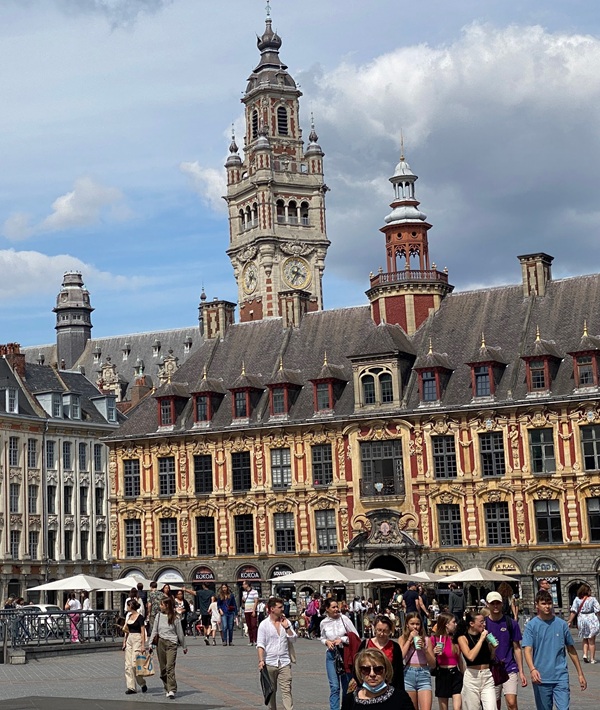 P.S. I’ll be in Lille for one day and I invite you readers, clients and friends who live in Lille, to meet me on Saturday, February 14th (Valentine’s Day) at 2 p.m. at La Place, 24 Place du Général de Gaulle in the very heart of Lille for a drink and conversation. I want to learn more about Lille, about you, and why you love (or don’t love) the city!
If you can come, please RSVP.
Looking forward to getting to know all of you!

Let Us create a custom strategy for you
You can live or invest in France-now.

Join us at our monthly Après-Midi.
Become a part of the Paris community.
Property for sale

Read & Subscribe
Dive into more by reading the French Property Insider
Better yet, subscribe to both and get the updates delivered to your inbox.
Global Money Services
Our contacts will help you invest in France.

See Adrian on HHI

Join us on Youtube
Dive into more on how to live, invest & escape to France
Be sure to subscribe!
To read more, click the links below.