


Weekly insights about property in France!
Subscribe and don't miss an issue!
Airbnb Crackdown Is Opening Doors for Expats
Volume XXIII, Issue 41
By Jay Corless, edited by Adrian Leeds
Something remarkable is happening in the French rental market. It is a quiet, almost paradoxical transformation. While headlines rage about fines, restrictions, and “anti-Airbnb” laws, another story is emerging: long-term rentals in France are finally making a comeback.
Yes, you read that right. For years, the shortage of long-term housing in France’s most significant cities, especially Paris, has been the bane of expats, locals, and landlords alike. The Airbnb boom distorted the landscape: thousands of apartments once available for one-year leases were snapped up for tourist rentals at two, three, or even four times the monthly income.
Now, that equation is evolving. The Loi Le Meur and local restrictions that have made short-term rentals less profitable are pushing owners back toward stable, long-term tenants. And for expats, that’s a breath of fresh Parisian air.

We’re witnessing a subtle but significant shift: a return to the “résidentiel durable”—long-term, stable tenancies. In other words, precisely what North Americans relocating to France have been hoping for.
WHY THE LONG-TERM MARKET IS OPENING UP
Across major French cities—Paris, Lyon, Marseille, Bordeaux, Toulouse, and even the resort towns of the Côte d’Azur—local councils have spent the past decade tightening rules around furnished tourist rentals. The goal was to keep housing available for full-time residents. The result? Thousands of owners are now rethinking their strategy.
With restrictions limiting Airbnb use to 90 or 120 nights a year—and new “compensation” schemes requiring owners to make another apartment available for locals—many investors are deciding that short-term letting is no longer worth the hassle.
Instead, they’re rediscovering the virtues of the traditional French “bail d’habitation principale”—the primary-residence lease. For landlords, it offers predictability and stability: one tenant, one steady income, and no nightly cleaning or booking logistics. For tenants—especially foreign residents seeking real homes—it offers opportunity, permanence, and peace of mind.
While there’s growing talk of a “return to long-term renting,” the truth in Paris is more nuanced. For now, Civil Code leases—flexible, non-regulated contracts often used for “résidences secondaires” or corporate rentals—remain the norm, particularly for foreign tenants. They allow owners to charge fair market value without the rent caps or duration limits that apply to “baux de résidence principale.” That flexibility is attractive in a market as tight as Paris, where landlords are cautious and prefer arrangements that give them control.
Still, there are subtle signs of change. As short-term rentals become less viable and professional investors exit the Airbnb game, a small but growing number of owners are once again offering true “résidence principale” leases—especially on furnished properties. These are the classic one- to three-year renewable leases under the French Loi du 6 juillet 1989, offering stability and legal protection to tenants. They’re still rare and highly competitive for expats, who face extra scrutiny and must present strong financial dossiers or guarantees. But the fact that such leases are reappearing at all, after years of scarcity, signals a quiet but essential shift.
In the past few months alone, we’ve seen a slight uptick in quality long-term listings in previously impossible areas: Saint-Germain-des-Prés, the Marais, Montmartre, the Golden Triangle, and even parts of the Left Bank once dominated by Airbnbs. Owners are realizing that a reliable tenant with strong documentation (and a good garantor) is more valuable—and less stressful—than a revolving door of tourists.
HOW EXPATS ARE BENEFITING
For years, the French long-term rental market seemed almost impenetrable to expats. Between the mountains of paperwork, the preference for local tenants with CDI work contracts, and the scarcity of inventory, many gave up before they even began. Agencies favored French families with perfect dossiers, and landlords feared instability from foreign tenants with irregular income.
Now, that’s changing. Because more properties are returning to the long-term pool, and landlords are facing more competition, foreign tenants are suddenly attractive. Professional relocation agents are seeing more flexibility among owners, more openness to non-traditional profiles, and a growing reliance on financial guarantees like Garantme, SmartGarant, and Visale, which level the playing field for expats.
The big takeaway? The French long-term rental market is no longer the cold, closed system it once was. It’s warming up—not fast, not everywhere, but measurably and meaningfully.
A MORE TRANSPARENT (AND PROFESSIONAL) MARKET
There’s another welcome by-product of the Airbnb crackdown: professionalism.
For too long, parts of the rental market operated in a grey zone—informal, unregistered, cash-based. That world is disappearing. The requirement for registration numbers, tax declarations, and verified guarantees is bringing transparency to both the short- and long-term markets.

Landlords now understand that compliance matters and that long-term tenants—not tourists—build sustainable returns. Agencies are becoming more professional, more digital, and more responsive. And future tenants, with the right help, can navigate the system more confidently, armed with digital tools, international banking, and guidance from specialists.
If you’re an expat coming to France today, you may find the process still complex—it’s France, after all—but it’s far more navigable than it was five or even three years ago. Documentation, pre-approval, and financial guarantees are your tickets in. The supply is growing, and landlords are more motivated than ever.
THE RETURN OF THE “GOOD TENANT”
One fascinating cultural shift is also underway. In France, landlords have always valued stability, a good tenant who pays on time and stays put. The short-term rental craze turned that value system upside down, favoring constant turnover over long-term reliability. Now, the pendulum has swung back.
Landlords who once chased higher nightly yields are rediscovering the quiet satisfaction of knowing who lives in their property, that it’s well cared for, and that rent arrives like clockwork. For many, that peace of mind now outweighs the lure of extra profit.
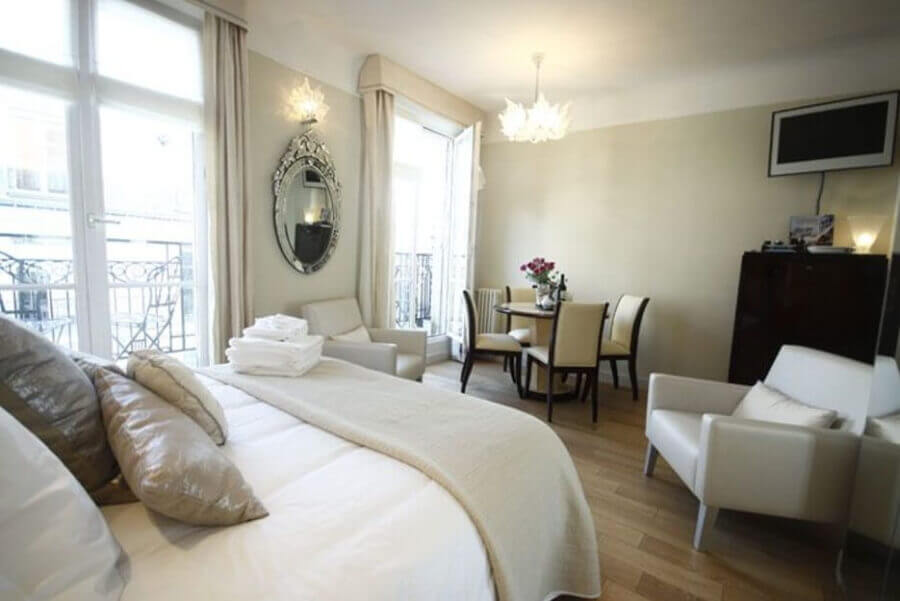
For expats, this is a golden opportunity to present themselves as the ideal tenants: financially secure, professionally settled, tidy, responsible, and above all committed to making France home.
Suppose you can demonstrate that you plan to stay for at least a year (or two), that you have a stable income (or a strong guarantee), and that you’ll respect the apartment as your own. In that case, you’ll find doors opening that were closed a few years ago.
A WELCOME CORRECTION
We’ve spent two decades watching the French property market evolve, and we can tell you this much: the current correction was inevitable—and healthy.
Short-term rentals had become a speculative gold rush, distorting values and alienating local communities. The crackdown, however painful for some, is restoring equilibrium. It’s pushing owners toward long-term stability and tenants toward greater opportunity.
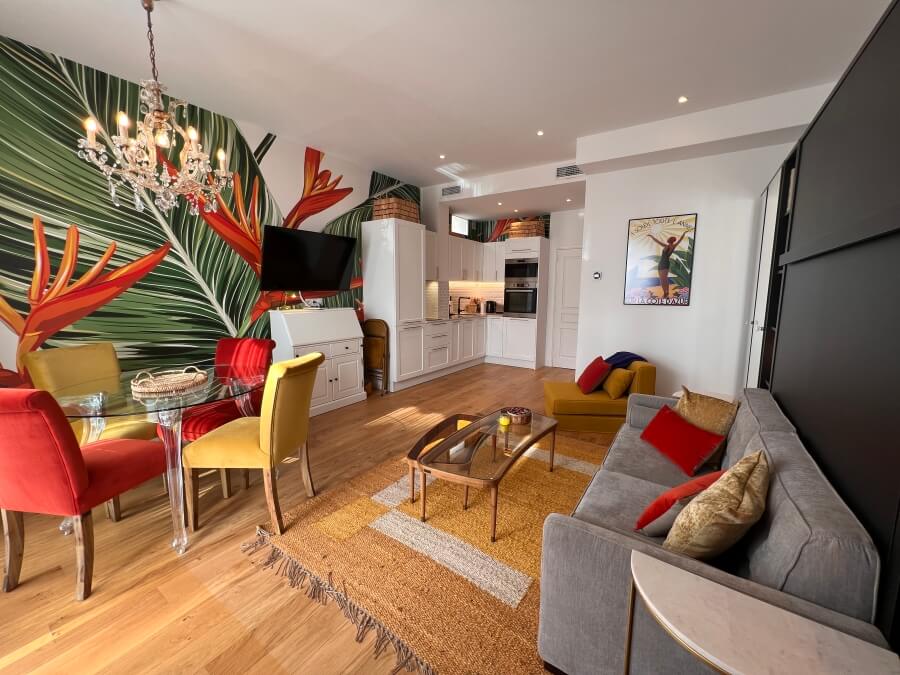
In a strange twist, the very laws that seemed to punish landlords are turning into a blessing for serious investors and genuine residents. Paris may be stricter now, but it’s also more livable. And for expats who come to France not just to visit, but to belong, this is the best time in years to find a real home.
So, if you’ve been waiting for the right moment to rent long-term, this is it. The tide is turning, the listings are appearing, and the bureaucratic gates are slowly, steadily creaking open.
A bientôt,
 Adrian Leeds
The Adrian Leeds Group®
 P.S. This IS what we do! We make finding your perfect pied-à-terre in Paris or Nice (or elsewhere) hassle-free! To learn more about our service, visit our website.
 P.P.S. Read all about our latest Après-Midi Paris with Odile Hellier, founder and former owner of the Village Voice Bookshop on Rue Princesse, and author of Village Voices: A Memoir of the Village Voice Bookshop, Paris. You’ll find all the details and a link to our recording of the event on our website.

Let Us create a custom strategy for you
You can live or invest in France-now.
Property for sale
what's happening
Check out upcoming events, conferences, or webinars. Join us!
GET FINANCING
Learn about French Property Loan Information.

Read & Subscribe
Dive into more by reading the Adrian Leeds Nouvellettre®
Better yet, subscribe to both and get the updates delivered to your inbox.

Get started with your dream of owning property in Paris.
Join us on Youtube
Dive into more on how to live, invest & escape to France
Be sure to subscribe!
To read more, click the links below.