


Weekly insights about property in France!
Subscribe and don't miss an issue!
Buying Property in France Part II: You Own the Keys. Now What?
Volume XXIV, Issue 04
By Jay Corless, edited by Adrian Leeds
Last week, we followed the beautifully structured French purchase process: the offer, the “Compromis de Vente” (the preliminary sale contract), the Notaire-led checks, and finally the “Acte Authentique” (the final deed) that turns your project into a property you truly own.
And then…real life begins.
France is wonderfully secure for owners, but also wonderfully bureaucratic. There is no shame in finding that part disorienting at first. The secret is to learn the rhythm and put a few simple systems in place early, so you can stop reacting to letters and deadlines and start enjoying your home.
This “Part Two” provides insight after completion: what you are responsible for as an owner, what changes if you’re in an apartment building, and what to watch for if your home is a “pied-à-terre” (a second home base).
1) Your first ritual: build your “ownership binder.”
French property ownership runs on documents. Before you do anything else, create one folder, digital and paper, that you can access from anywhere. If you own property in France while living abroad, this is not optional. It is your sanity.
At a minimum, include:
• Your deed and proof of ownership (your Notaire will provide the final deed package).
• Your insurance policies and contact details.
• Your tax notices as they arrive.
• If you bought an apartment in a multi-family building, your core “copropriété” documents.
And perhaps most important, is to keep a detailed record of all renovation and home improvements for future reduction of capital gains taxes, if and when you sell the property. Not all expenses are deductible, but why take the chance when keeping records could save you thousands of euros down the road?
If you bought into a “copropriété” (a co-owned building, similar in spirit to a condominium), two documents matter immediately:
First, the “Règlement de Copropriété” (the building’s co-ownership rules). This is the written document that defines the building’s purpose, how it functions, what is “parties privatives” (your private areas) versus “parties communes” (common parts), and the rights and obligations of each co-owner.

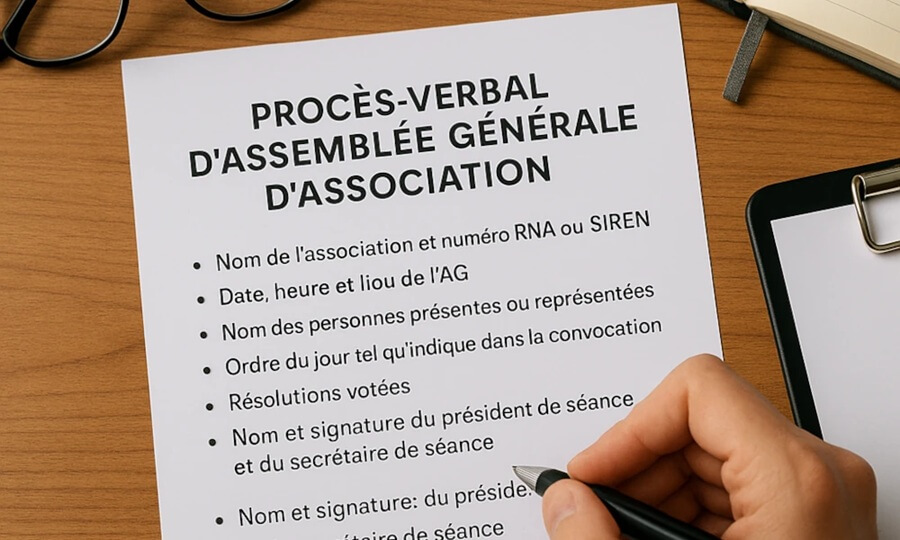
Second, the “Procès-Verbal” or “PV” (the official minutes) of the “Assemblée Générale” (the annual co-owners’ meeting, often abbreviated “AG”). The PV is not just a record; it is the trail of decisions that can shape your costs for years to come. The syndic must notify the PV to the co-owners (this triggers the timeline for contesting certain decisions). For a helpful overview of how an AG works and when decisions are applied, see this page.
A third document that is often overlooked but extremely useful is the “Carnet d’Entretien” (the building maintenance record). It centralizes key technical and administrative information and is established and updated by the “syndic” (the property manager/administrator for the building).
2) If you bought an apartment: welcome to “copropriété” life.
Many North Americans are comfortable with the concept of condo living, but French “copropriété” has its own language and its own rules. Owners do best when they embrace it rather than trying to ignore it.
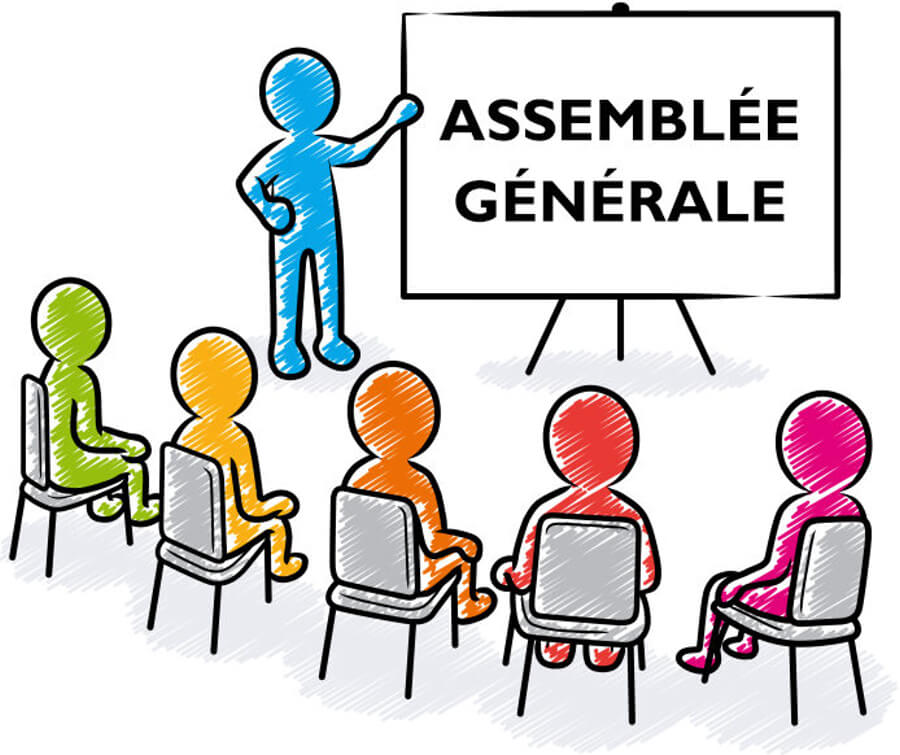
In a copropriété, you own your unit but also co-own the common parts, stairs, roof, façade, structural elements, shared pipes, and sometimes a shared heating system. The building is administered day-to-day by the “Syndic,” and the owners collectively form the “Syndicat des Copropriétaires” (the legal body of co-owners).
This has one immediate consequence: you will pay “charges de copropriété” (co-ownership charges or dues). These are the building’s shared expenses. Service-Public explains how these charges are organized, including the way “provisions” (advance payments) are typically called and how accounts are approved.
Practically, here is the mindset shift we encourage: you didn’t only buy an apartment; you bought into a budget, a voting process, and a maintenance plan. That may sound unromantic, but it is also one of the reasons French buildings are so durable.
Our best advice is simple: read the AG agenda and read the PV. Major works—façade restoration, roof repairs, elevator modernization, boiler replacement—rarely arrive as sudden surprises in France. They are usually discussed, voted on, and planned. The PV is where future costs tend to appear “in plain sight.”
3) Insurance: what’s mandatory, what’s wise…
Let’s translate the key terms:
• “Assurance habitation” (home insurance): a policy that can cover damage to the home and contents, plus liability.
• “Responsabilité civile” (civil liability): the part that covers damage you cause to others (neighbors, visitors, the building).
If your home is part of a copropriété, you have an obligation to insure at least your civil liability. Service-Public states clearly that a co-owner must have “assurance responsabilité civile,” and it also explains, in practical terms, what that means in a building context. The Ministry of Economy similarly notes that the insurance obligation for copropriétaires is focused on liability toward the copropriété, neighbors, and third parties.

If you are buying a second home or leaving the property vacant for extended periods, it is especially important to confirm the insurer’s requirements for occupancy, winter precautions, and claim conditions. This is one of those “small print” issues that can become very expensive when ignored.
4) Taxes: your owner calendar begins on January 1st.
French property taxes are based on your situation as of January 1 of the tax year.
The main one is “Taxe Foncière” (property ownership tax). Service-Public states that “taxe foncière sur les propriétés bâties” is due if you are the owner or “usufruitier” (a usufruct holder—someone who has the right to use the property and receive its benefits) on January 1. The Ministry of Economy also provides a clear overview of how the tax is calculated and when reductions may apply.
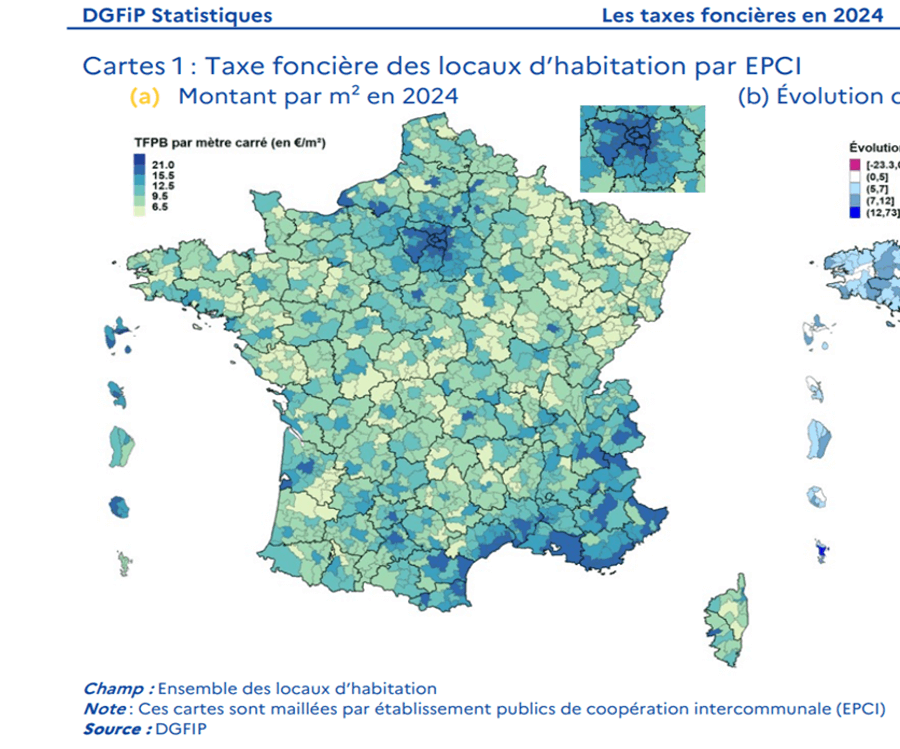
On the tax notice, you will often see “TEOM” (“taxe d’enlèvement des ordures ménagères,” the household waste collection tax). Service-Public explains the TEOM/REOM framework. The Ministry of Economy notes a practical point that owners should know: if your commune uses TEOM, the amount is shown on the “taxe foncière” notice.
Now to the tax that matters enormously for expats and second-home owners:
“Taxe d’Habitation” on “résidences secondaires” (second homes). While Taxe d’Habitation on main residences has been eliminated, it remains applicable to second homes. Service-Public covers the rules and calculation for second-home Taxe d’Habitation. The tax authority also provides a plain-language explanation of how second-home Taxe d’Habitation is calculated and notes that second homes do not benefit from abatements, and the Ministry of Economy has a companion explainer.
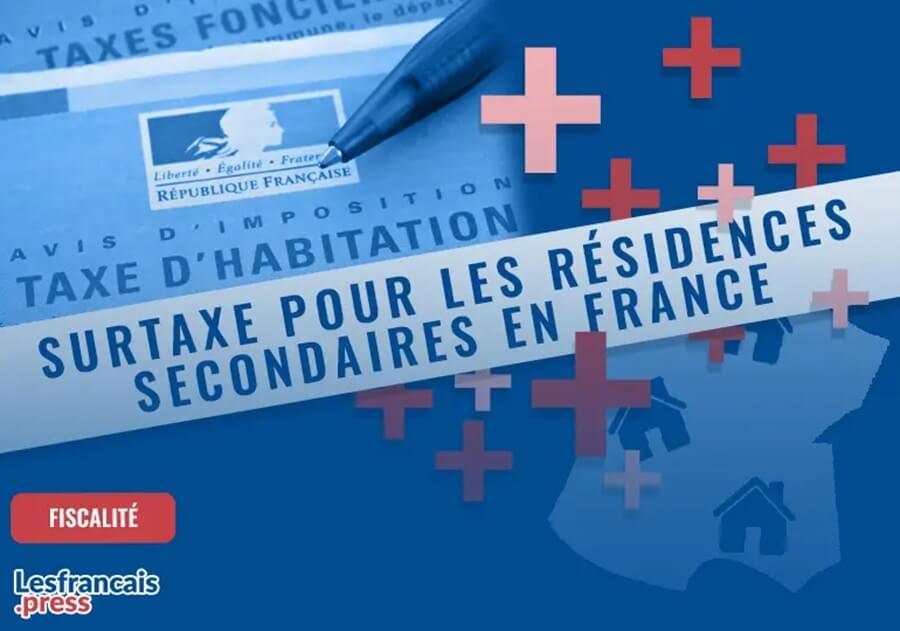
A practical reminder we give clients: set up your online tax space early, and keep your French mailing address and email alerts reliable. Many “surprises” in France are simply missed notices. If the taxes are not paid prior to the deadline, a 10% penalty will be imposed…so pay attention.
5) Maintenance: know the unglamorous habit that protects value.
French buildings are often charmingly old, which means “preventive care” is part of ownership. This is not a call to renovate immediately. It is a call to do a calm year one check-up, especially if you are not living in the property full-time.
We typically focus on:
• Heating: what system do you have, and what is the service schedule?
• Ventilation and humidity management (Paris apartments, in particular, can trap moisture).
• Plumbing shut-offs and any signs of historic leaks.
• Electrical safety in older properties.
• Windows and drafts (comfort today, energy performance tomorrow).
If you are in a copropriété, it also matters greatly which elements are yours and which are the building’s. The PVs and the Carnet d’Entretien will help you understand what the building maintains and what you maintain.
6) Renovations: France is supportive—if you ask permission the right way.
Owners often say, “We just want to change the windows.” In France, even that can require formalities, however, you can make any changes you like within the confines of your own property as long as it does not affect the building itself—structural walls, exterior walls, and even plumbing related to the common areas.
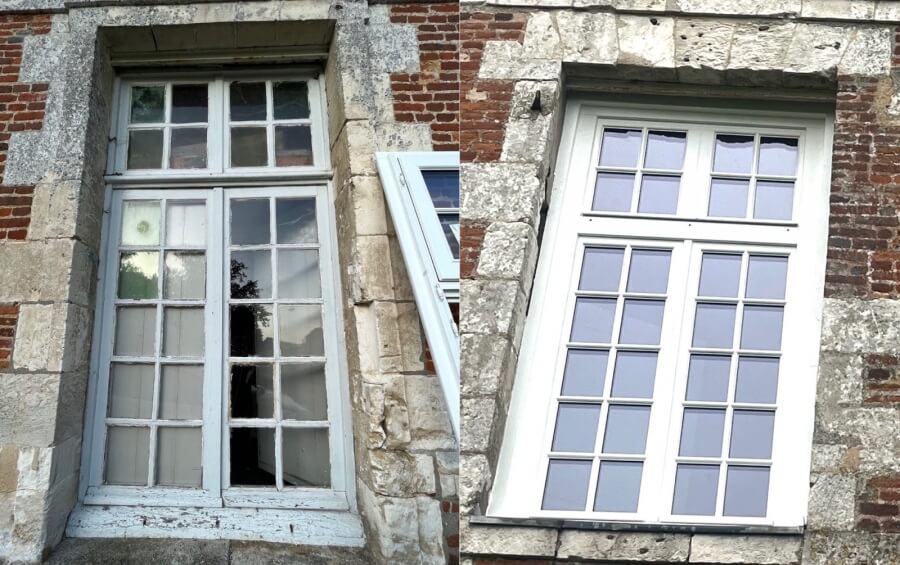
Service-Public explains that if you replace “fenêtres” (windows), “volets” (shutters), and/or an exterior-facing door with a different model, you generally need a “déclaration préalable de travaux” or “DP” (a prior works declaration). If the works are tied to a “changement de destination” (change of the building’s designated use—for example, converting a commercial to a dwelling), a “permis de construire” or “PC” (building permit) may be required.
If you are unfamiliar with the DP process, Service-Public provides an overview of the “déclaration préalable.”
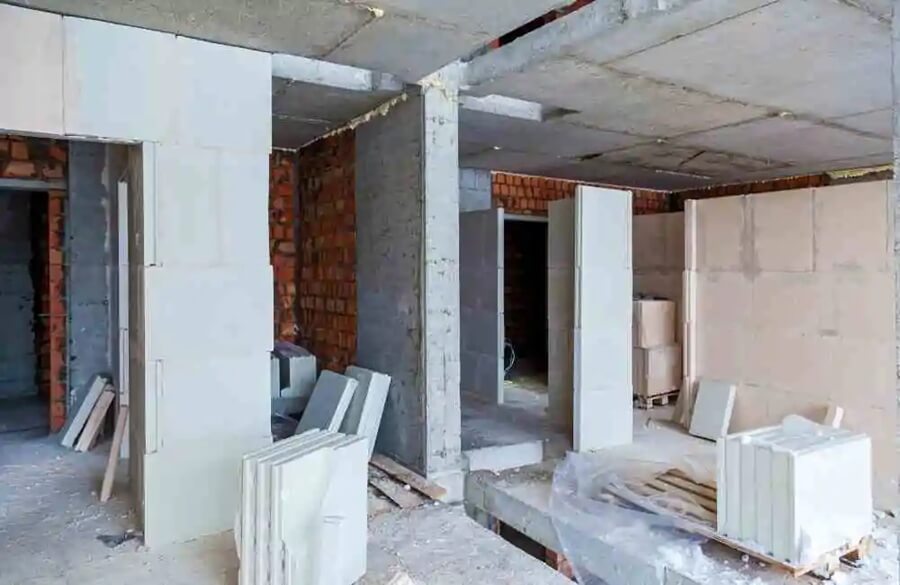
And in a copropriété, there is an additional layer: building approval. Anything that affects the exterior appearance, common parts, or structural elements may require a vote at the AG, even if your city hall paperwork is in order. This is why we encourage owners to slow down before starting work. A few emails and the right checks up front can prevent painful stop orders later.
7) Second homes and short-term rentals: do not assume Paris is like anywhere else.
Many clients start with a “pied-à-terre” and later ask, “Could we rent it when we’re away?” This question yields very different answers depending on the city and the property’s use.
At the national level, Service-Public explains that renting out a “résidence secondaire” as a “meublé de tourisme” (furnished tourist rental) may require a city authorization for “changement d’usage” (change of use), and it describes potential civil penalties for non-compliance in certain communes. The government’s business portal also summarizes the framework and references the legal basis for short-term tourist rentals as a change of use in some cases.
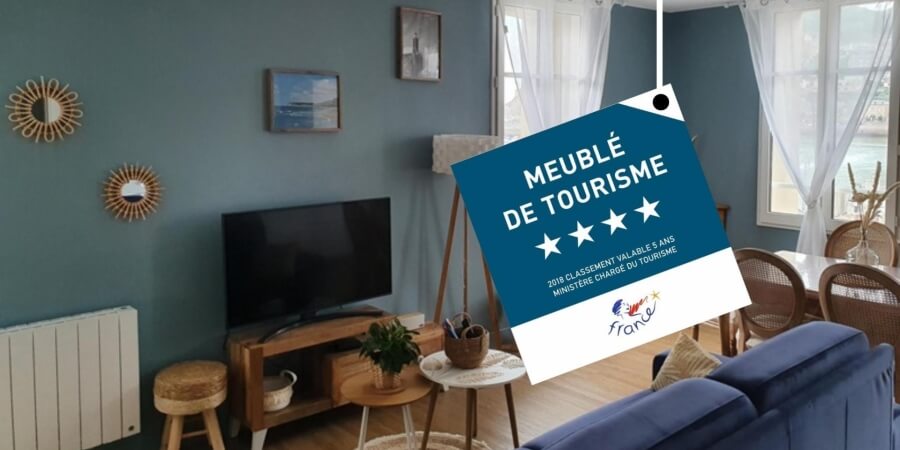
Paris, in particular, publishes dedicated guidance on “meublés touristiques,” including the steps around authorizations and a simulator for change-of-use requests, and also on this site.
This is one of those areas where we insist on tailored advice before acting. What looks like “common sense” from a U.S. perspective can expose an organization to administrative risks in France, especially in high-pressure housing markets.
8) Where we fit in: ownership is a process, not a single transaction.
Buying is a milestone. Ownership is a relationship—with your building, your “mairie” (city hall), your tax calendar, your insurers, and your long-term plans.
This is often where our work becomes most valuable. Post-purchase, we suggest to our clients:
• Understand copropriété documents and spot future building costs early.
• Set up the right insurance structure for how the property is truly used.
• Create a simple annual calendar for taxes, maintenance, and building meetings.
• Coordinate trusted partners (key-holding, checks, repairs) when clients are not on the ground.
Because the goal isn’t simply to own in France. It’s to own well—calmly, confidently, and with the freedom to enjoy what you came here for in the first place.
A bientôt,
 Adrian Leeds
The Adrian Leeds Group®
P.S. You’re not alone when you purchase a property in France. With our team by your side, all this becomes easy-peasy. Learn more about our property-finding services…all over France.

Let Us create a custom strategy for you
You can live or invest in France-now.
Property for sale
what's happening
Check out upcoming events, conferences, or webinars. Join us!
GET FINANCING
Learn about French Property Loan Information.
Read & Subscribe
Dive into more by reading the Adrian Leeds Nouvellettre®
Better yet, subscribe to both and get the updates delivered to your inbox.

Get started with your dream of owning property in Paris.
Join us on Youtube
Dive into more on how to live, invest & escape to France
Be sure to subscribe!
To read more, click the links below.