


Weekly insights about property in France!
Subscribe and don't miss an issue!
Navigating the Challenges of Buying Property in France, and the Good News…
Volume XXIII, Issue 6

By Jay Corless, edited by Adrian Leeds
You’re certainly not alone if you’ve ever dreamed of owning a piece of the French Riviera or a charming pied-à-terre in the City of Light. France’s property market, particularly in sought-after locations like Nice and Paris, continues to captivate international buyers. However, while the rewards are substantial, the journey to property ownership in France is often filled with challenges.
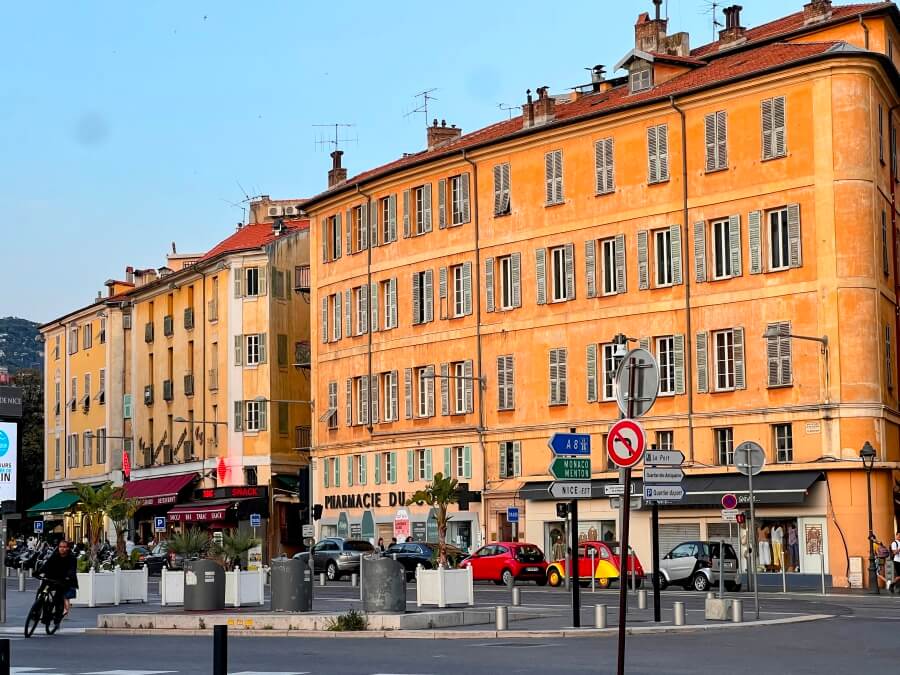
Nice Old Town
These cities’ biggest attractions are their unique charm and investment potential. Paris remains a global center for culture and business, with property prices continuing to reflect its desirability. Meanwhile, Nice’s Mediterranean climate and stunning coastline make it a perennial favorite for buyers looking for a lifestyle change. Yet, beneath the romantic allure, there are practical challenges that buyers must prepare for. Let’s explore some common obstacles buyers face and how to best navigate them.
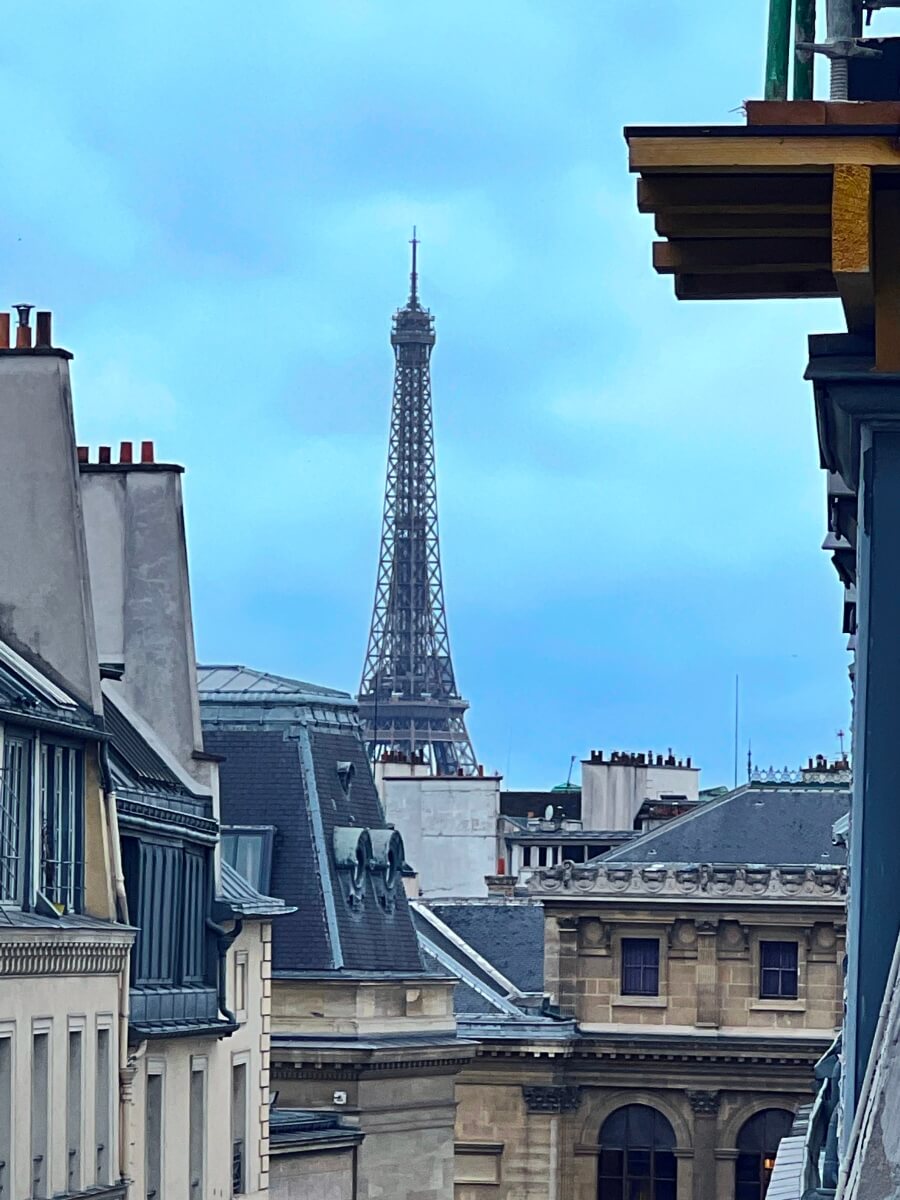
UNDERSTANDING THE FRENCH BUYING PROCESS
Unlike in the U.S., France’s real estate process follows a strict legal framework that can feel overwhelming to foreigners. In France, a notaire (notary) oversees the transaction, ensuring adherence to regulations and legality. While this adds an extra layer of security, the process may take longer than anticipated—typically two to three months from signing the promesse or compromis de vente (initial agreement) to the acte de vente (finalizing the sale).
According to the Chambre des Notaires de France, nearly 60% of foreign buyers experience delays due to incomplete paperwork or misunderstandings regarding the legal process. Knowing what to expect and preparing documents ahead of time can save weeks of waiting. Understanding the notaire’s role and ensuring that all necessary documents, such as proof of funds and tax identification numbers, are ready before starting the process can help reduce these delays.
THE COMPLEXITY OF FRENCH MORTGAGES AND FINANCING
Securing financing in France as a non-resident can be challenging. French banks are notoriously risk-averse and will scrutinize a buyer’s financial history and stability before approving a mortgage. Additionally, lending criteria often require higher down payments—sometimes 30-50% of the purchase price for foreign buyers.

Bordeaux
Data from the Banque de France indicates that non-resident mortgage approval rates are significantly lower than for residents, with only 50-60% of applications receiving approval, compared to over 80% for French citizens. Ensuring a strong financial profile with a stable income source is key to improving chances. Additionally, foreign buyers should be aware that some banks require a French bank account to process mortgage payments, adding another layer of complexity.
FINDING THE RIGHT PROPERTY IN A COMPETITIVE MARKET
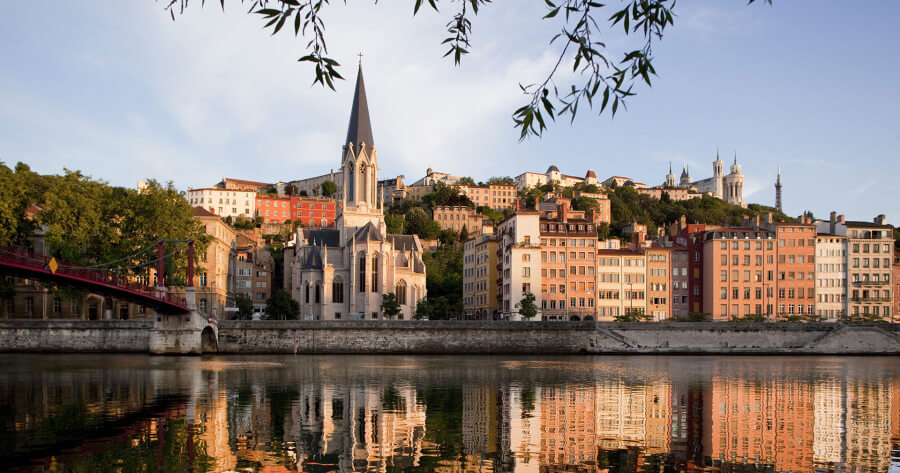
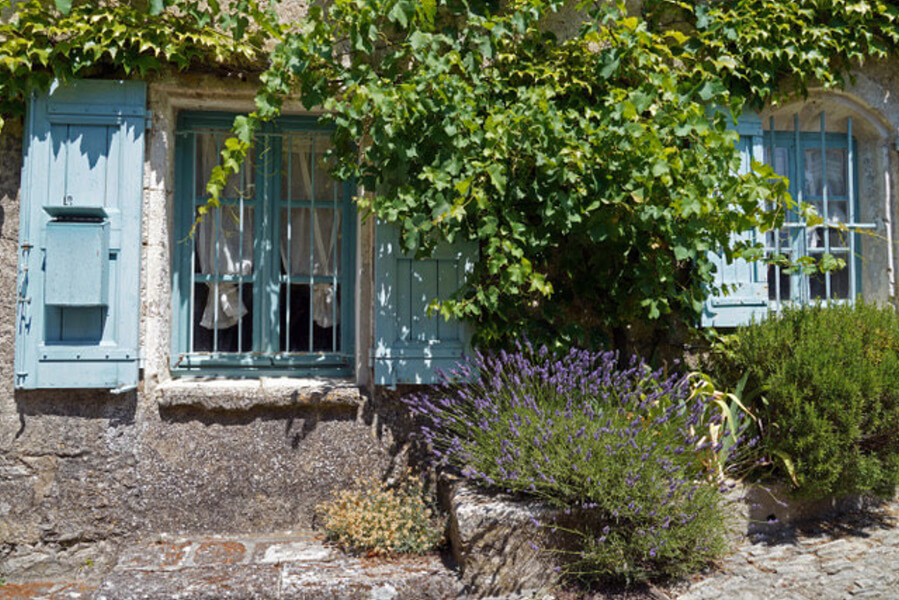
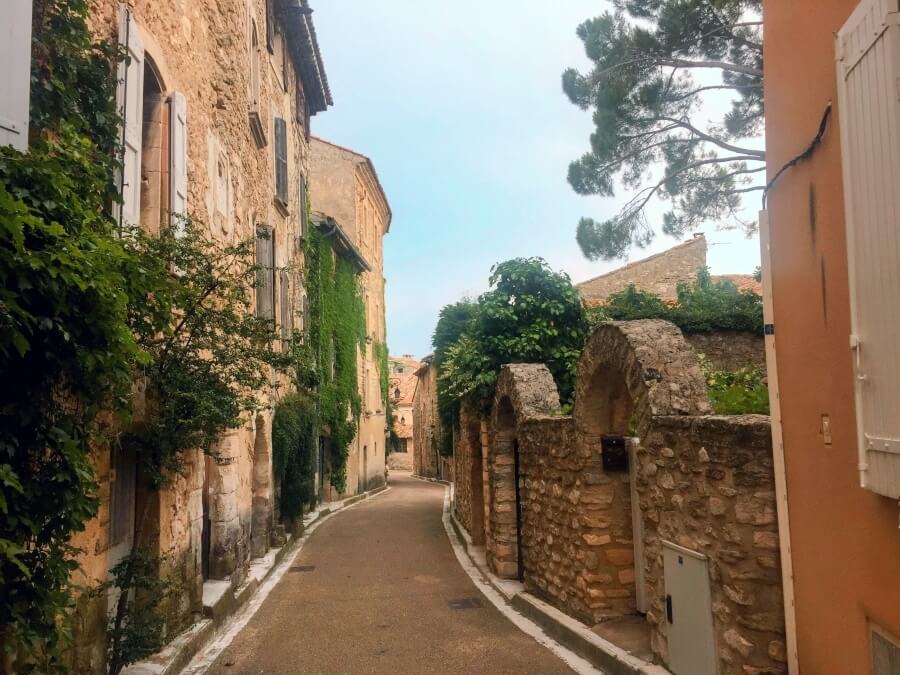
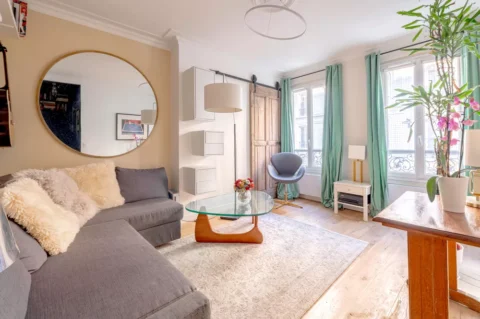
Both Nice and Paris are highly competitive real estate markets. Charming Haussmannian apartments with balconies and good natural light are in constant demand in Paris. Similarly, Nice’s Carré d’Or and the Promenade des Anglais area are highly desirable, with properties selling quickly. Beyond these two cities, other places in France are also experiencing significant demand. The Provence region’s picturesque villages and vineyards attract buyers looking for a slower-paced lifestyle. At the same time, Bordeaux has become increasingly popular due to its booming wine industry and improved transport links. As France’s gastronomic capital, Lyon offers a blend of urban sophistication and historic charm, making it an attractive alternative to Paris.

According to SeLoger, properties in Paris remain on the market for an average of only 42 days, while those in Nice sell within 55 days. Therefore, it is essential to act quickly and decisively when purchasing in these cities. Buyers who understand local market trends and act swiftly have a better chance of securing their desired property before another buyer snaps it up.
HIDDEN COSTS AND TAXES
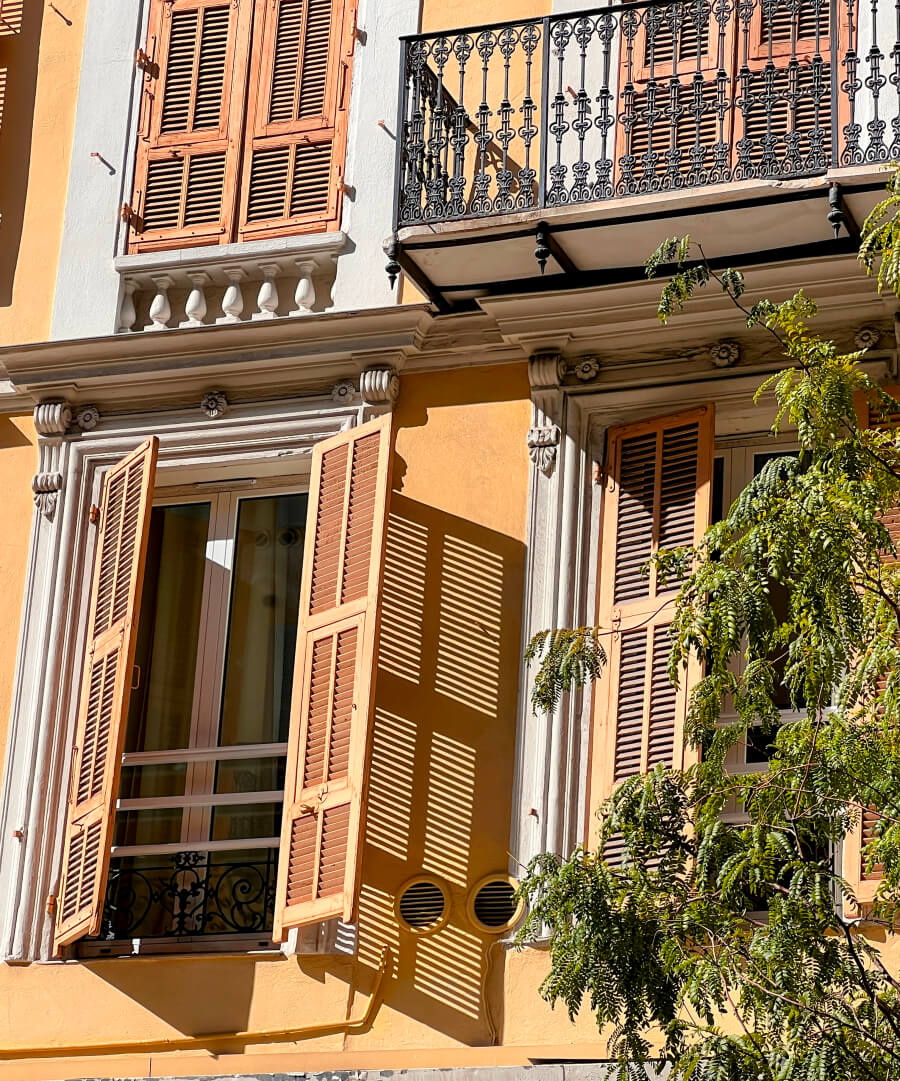
Many buyers are surprised by the additional costs beyond the purchase price. In France, you can expect to pay notaire fees (typically 7-8% of the property price for existing properties, increasing slightly as of June 2025), stamp duties, property taxes, and sometimes hefty renovation costs. Certain historic buildings in Paris have strict regulations regarding modifications, adding another layer of potential expense. Beyond Paris, other regions in France present their own financial challenges.
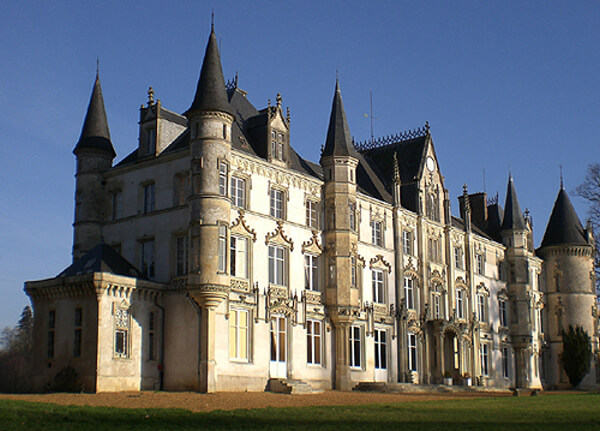
In the Loire Valley, for instance, owning a château may require ongoing restoration work and high maintenance costs due to the region’s historic preservation laws. Additional taxes on secondary residences can increase the long-term financial burden in coastal areas like Brittany and Normandy. Similarly, ski resorts in the French Alps have premium property prices and require significant upkeep due to weather conditions. Understanding these costs across different regions is crucial to making an informed investment decision in the French real estate market.
The French government has implemented a wealth tax (IFI) on real estate valued above €1.3 million, which can further impact high-net-worth buyers. Understanding these obligations beforehand can prevent unexpected financial burdens. Buyers should carefully review tax implications and budget for long-term ownership costs, including maintenance fees for co-owned properties, which can be significantly higher in Parisian historic buildings.
BUREAUCRATIC HURDLES AND LANGUAGE BARRIERS
The infamous French bureaucracy can slow down even the most straightforward transactions. Obtaining the necessary permits, dealing with city hall for renovations, and setting up utilities can take time and patience—especially if you don’t speak French fluently. Each region and city may have administrative hurdles, making it imperative to research local regulations before purchasing.
For instance, strict zoning laws in Paris can limit modifications to historic buildings. At the same time, in rural areas, securing renovation permits for older properties can be a lengthy process involving multiple municipal approvals. Moreover, registering property ownership, setting up essential services like electricity and water, and dealing with tax authorities often require numerous in-person visits, further complicating the process for non-residents.
A study by INSEE found that administrative delays in France are one of the top three complaints among foreign property buyers. An average of 20% experience issues related to miscommunication or missing documentation. Working with a local expert can significantly reduce these frustrations. Navigating French administrative procedures often requires persistence and thorough documentation, and even minor errors in paperwork can result in prolonged delays.
FINAL THOUGHTS
Purchasing property in France comes with distinct challenges, from navigating an unfamiliar legal system and securing financing to tackling bureaucracy and understanding hidden costs. Each region—the vibrant streets of Paris, the picturesque coastline of Nice, or the vineyard-laden landscapes of Bordeaux—offers its own advantages and obstacles. The key to success lies in comprehensive research, financial readiness, and seeking assistance from knowledgeable local professionals.
Despite the complexities, investing in French real estate remains a dream worth pursuing. The effort is worthwhile because of cultural richness, lifestyle benefits, and long-term property value. While hurdles such as competitive markets, language barriers, and administrative delays may arise, those who approach the process with patience and guidance can reap substantial rewards. By being proactive and well-informed, buyers can turn their vision of owning property in France into a reality, enjoying everything from vibrant city life to serene countryside retreats.
And here’s the good news. Every aspect of all of these challenges disappears when you work with Property Consultants such as us. Our services guide you through every aspect and protect you from making costly mistakes. Buying property in France is not something you want to do on your own, not without professional advice and the proven resources that we provide and can back up.
Learn more by visiting our Services Page.
A bientôt,
 Adrian Leeds
The Adrian Leeds Group®
P.S. Brian Dunhill, of Dunhill Financial, led the talk at Après-Midi in Nice January 23rd. I wasn’t there…since I was in Paris recovering from La Grippe, but Patty Sadauskas hosted the event. Here’s the report and the video of his talk. Don’t miss it!

Let Us create a custom strategy for you
You can live or invest in France-now.
Property for sale
what's happening
Check out upcoming events, conferences, or webinars. Join us!
GET FINANCING
Learn about French Property Loan Information.
Read & Subscribe
Dive into more by reading the Adrian Leeds Nouvellettre®
Better yet, subscribe to both and get the updates delivered to your inbox.

Get started with your dream of owning property in Paris.
Join us on Youtube
Dive into more on how to live, invest & escape to France
Be sure to subscribe!
To read more, click the links below.