


Weekly insights about property in France!
Subscribe and don't miss an issue!
Empty Homes, Full Taxes: What Paris’ New Vacancy Surtax Means for Property Owners
Volume XXIV, Issue 30
By Jay Corless, edited by Adrian Leeds
Paris is intensifying its campaign against vacant housing.
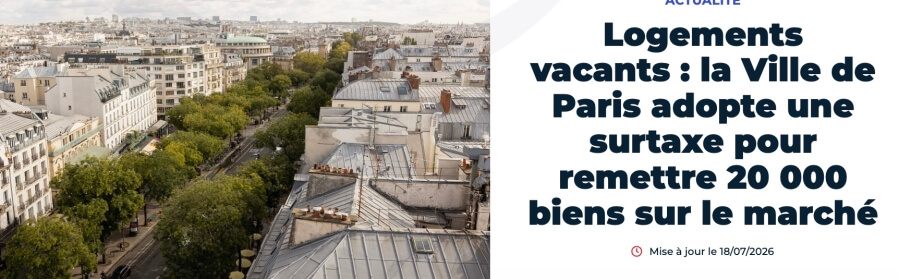
The Paris Council has voted to apply the maximum surcharge permitted under France’s new vacancy tax rules, aiming to return approximately 20,000 empty homes to the housing market. Beginning on January 1, 2027, owners who leave residential properties vacant for extended periods could face significantly higher annual tax bills. For property owners, buyers and investors, the measure is another sign that Paris intends to use taxation more aggressively to influence how residential real estate is occupied.
Paris remains one of the most sought-after cities in the world, yet finding a long-term rental has become increasingly difficult. According to the City of Paris, nearly 140,000 homes are classified as vacant, excluding second homes, representing close to 10 percent of the capital’s housing stock. At the same time, demand for housing continues to exceed supply. From City Hall’s perspective, returning even a portion of these properties to active use could help relieve pressure on the rental market.
WHAT IS CHANGING?
France’s 2026 Finance Law created a new local tax regime for vacant residential properties, due to take effect on January 1, 2027. Municipalities in areas with severe housing shortages may increase the applicable rates, and Paris has chosen the maximum level allowed.
The tax will be calculated at:
– 30 percent of the property’s taxable rental value after the first year of vacancy
– 60 percent from the second year onward
The City gives the example of a vacant 30-square-meter apartment in the 17th arrondissement. Under the previous system, the owner would have paid approximately €790 per year. The tax could rise to around €1,400 in 2027, then approximately €2,800 in 2028 if the property remains empty. At those levels, vacancy becomes a far more expensive ownership strategy.
VACANT PROPERTY, SECOND HOME OR RENTAL?
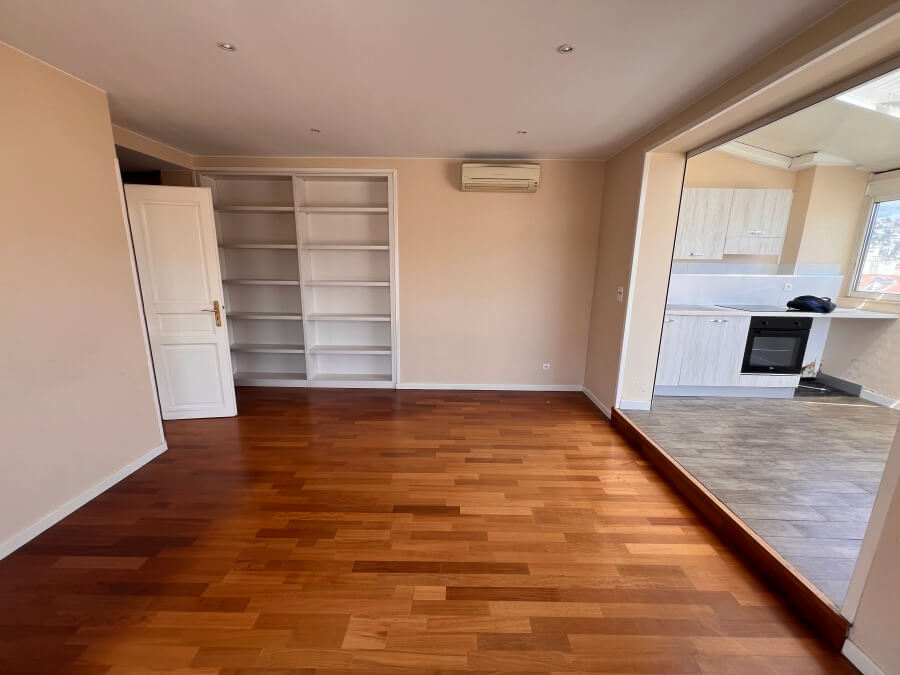
The terminology is important, particularly for international owners. A vacant property is not necessarily the same thing as a second home, and the two categories are subject to different tax rules. A vacant property is generally an unfurnished dwelling that has remained unoccupied for a qualifying period and is not being genuinely used, sold or rented.
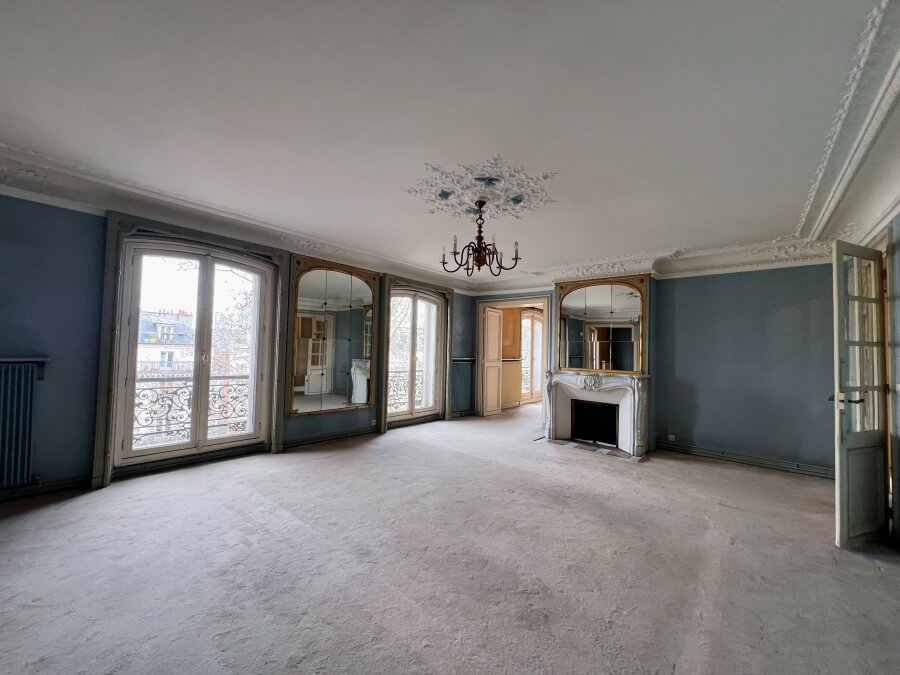
A résidence secondaire, or second home, is normally furnished and available for the owner’s occasional personal use. Many foreign-owned pieds-à-terre fall into this category. These properties may already be subject to increased Taxe d’Habitation, but they are not automatically treated as vacant simply because the owner spends only part of the year in Paris.
A long-term rental, whether furnished or unfurnished, is occupied by a tenant and is not considered vacant. This distinction is essential. The new vacancy surcharge is aimed primarily at properties that are genuinely sitting unused, rather than furnished apartments used periodically by their owners.
NOT EVERY EMPTY APARTMENT IS DELIBERATELY WITHHELD
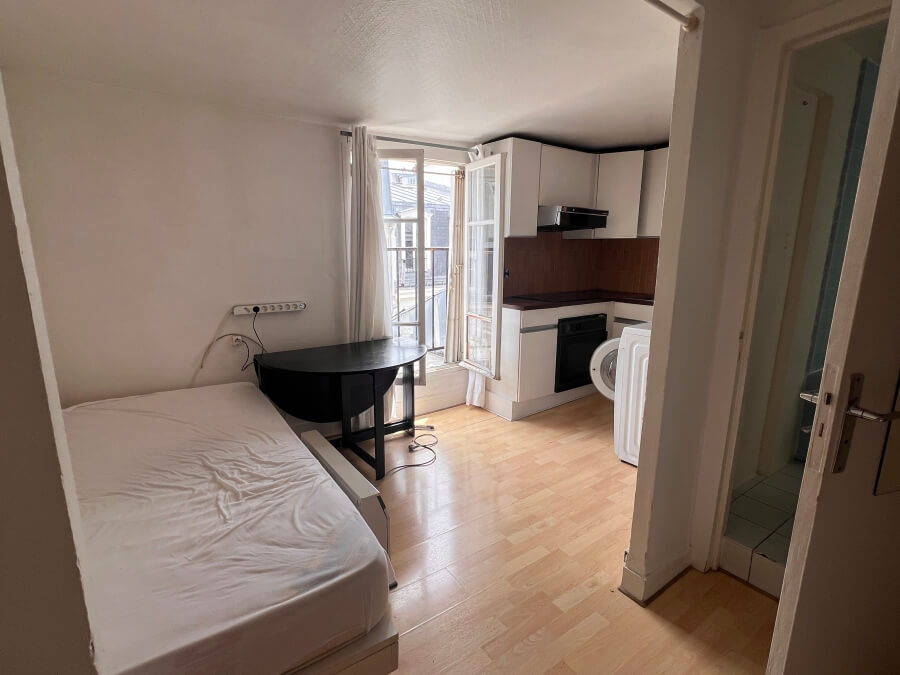
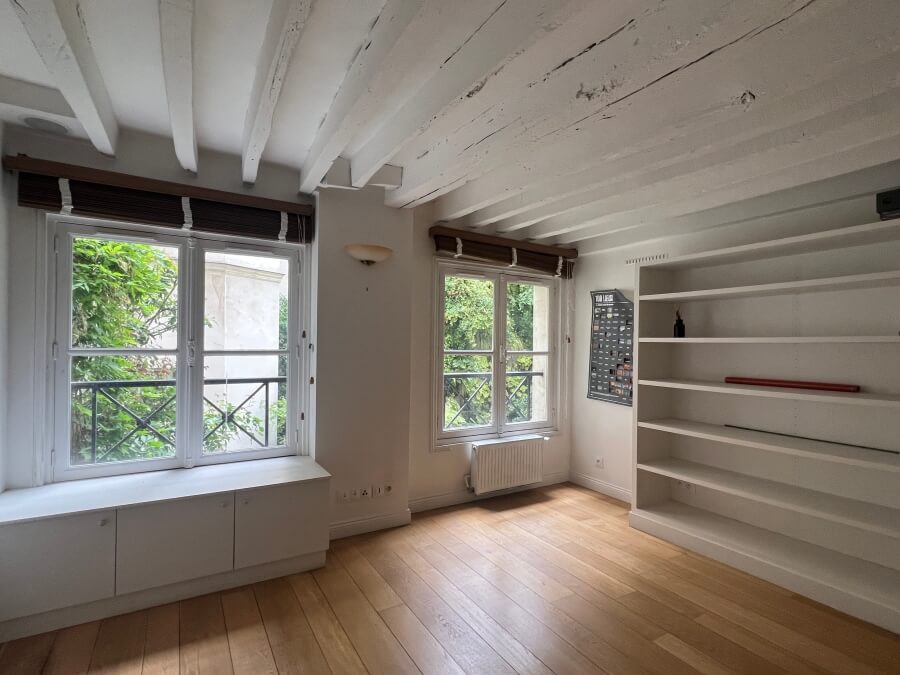
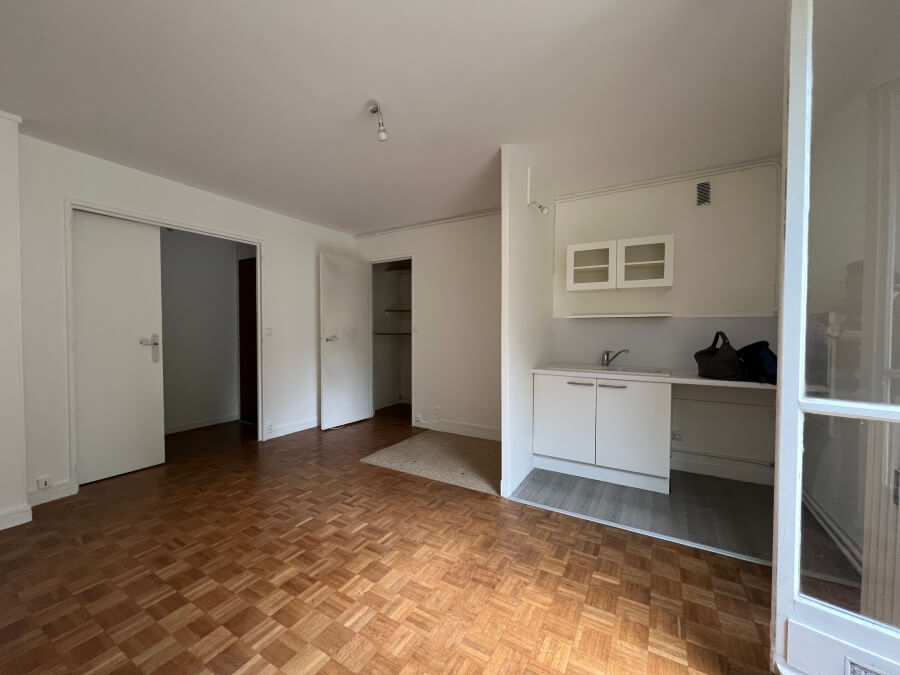
There are many reasons a property may remain unoccupied. An apartment may be caught in an unresolved succession, undergoing major structural work, involved in legal proceedings, or actively offered for sale or rent without finding a suitable occupant.
French law provides exemptions where the vacancy is considered beyond the owner’s control. Owners may therefore avoid the tax if they can demonstrate, for example, that the property requires substantial renovation or has been marketed seriously at a realistic price.
Documentation will be crucial. Owners should retain proof of renovation estimates, estate-agent mandates, advertisements, correspondence, and other evidence showing that the vacancy was not intentional.
WILL THE POLICY BRING MORE HOMES ONTO THE MARKET?
Some owners will undoubtedly decide that earning rent is preferable to paying an escalating annual tax. Others may choose to sell. Either response could increase the number of properties available, although not necessarily in the same segment of the market. An apartment released for sale does not directly solve the shortage of affordable rental housing, and many vacant properties may require extensive renovation before they are habitable.
There are also broader reasons owners hesitate to rent, including rent controls, restrictions on recovering possession, energy-efficiency requirements, renovation costs, and concerns about tenant risk. The tax may encourage decisions, but it does not remove those underlying obstacles.
WHAT COULD THIS MEAN FOR BUYERS?
A rise in the number of owners choosing to sell could gradually increase inventory. That would not make Paris inexpensive overnight. Supply remains structurally limited, demand is international, and well-located apartments in good condition continue to attract strong interest.
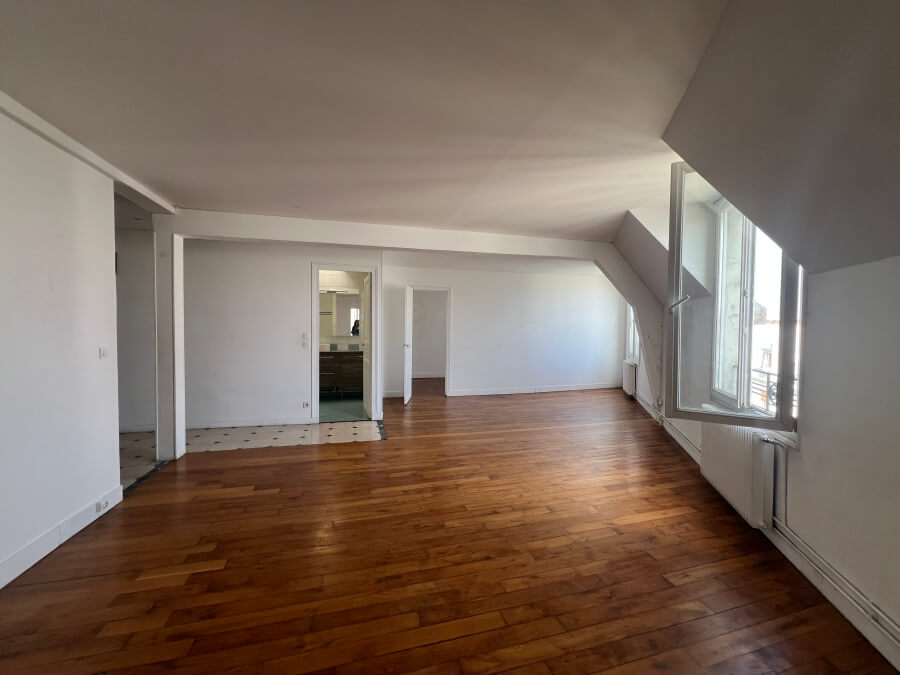
Nevertheless, even a modest increase in listings can create opportunities. Buyers may gain more choice, more negotiating room, and access to properties that have remained outside the market for years. Some of those apartments may be renovation projects, which could appeal to purchasers prepared to take on the work and navigate the increasingly demanding energy-performance rules.
WHAT SHOULD OWNERS CONSIDER?
Owners of genuinely unused apartments should begin reviewing their options well before the new rates take effect. The choice is not simply between renting and paying the tax. Other possibilities may include renovating, selling, reorganizing family ownership or establishing a clearer pattern of personal use.
The decision should take into account:
– the property’s condition
– its likely rental return
– the cost of complying with rental regulations
– capital-gains consequences
– inheritance planning
– financing costs
– the owner’s long-term intentions in France
A tax increase may trigger the discussion, but it should not determine the decision on its own.
THE BROADER MESSAGE
Paris is making it increasingly expensive to own residential property that is neither occupied nor placed on the market. The City’s objective of returning 20,000 homes to active use is ambitious, and it remains uncertain how many properties will ultimately be rented, sold, renovated, or successfully exempted.
What is clear is that the regulatory environment is continuing to evolve. For some owners, the new surcharge may be the final incentive to rent. For others, it may bring forward a sale. And for buyers, it may release apartments that would otherwise have remained unavailable. In the Paris property market, every new restriction creates new pressures, but it can also create new opportunities for those who understand how the rules apply.
Note: This article is intended for general information only. The taxation of vacant properties and second homes depends on the legal classification and individual circumstances of each property. Owners should seek advice from a qualified French tax or legal professional before taking action.
À bientôt,
 Adrian Leeds
The Adrian Leeds Group®
P.S. Talk to us to discuss whether to rent or buy? It’s a conversation we have almost daily with our clients. Buying, at least for now, isn’t always the answer, but don’t be afraid of buying property. I’ve never regretted any of it, even if I am the Poster Child for property problems! Contact us to learn more and book your personal consultation today.

Let Us create a custom strategy for you
You can live or invest in France-now.
Property for sale
what's happening
Check out upcoming events, conferences, or webinars. Join us!
GET FINANCING
Learn about French Property Loan Information.

Read & Subscribe
Dive into more by reading the Adrian Leeds Nouvellettre®
Better yet, subscribe to both and get the updates delivered to your inbox.

Get started with your dream of owning property in Paris.
Join us on Youtube
Dive into more on how to live, invest & escape to France
Be sure to subscribe!
To read more, click the links below.