


Weekly insights about property in France!
Subscribe and don't miss an issue!
Managing Expectations Finding Your Long-Term Rental in France
Volume XXIII, Issue 8
By Jay Corless, edited by Adrian Leeds
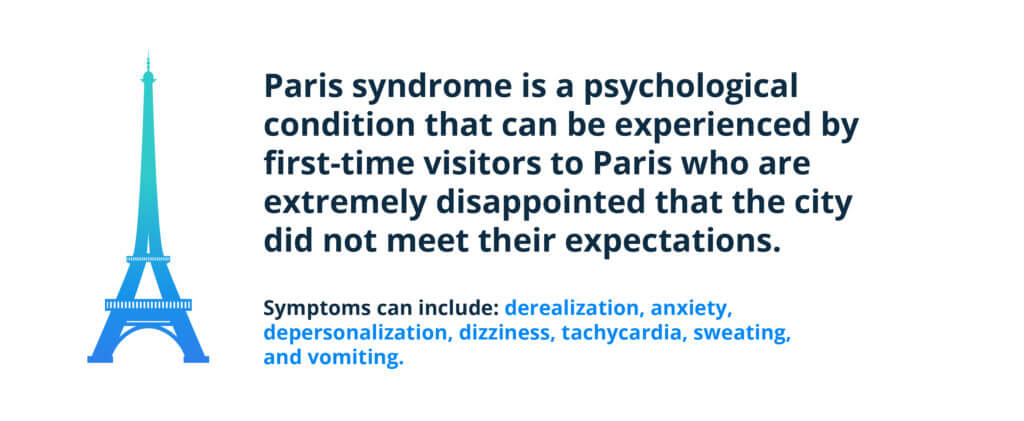
For many, the dream of living in France evokes images of stately apartments in Paris, sunlit terraces on the Riviera, or rustic cottages in Provence. However, the reality of securing and maintaining a long-term rental in France often differs significantly from these idealized visions. Whether you’re planning a move to the City of Light, Nice on the Côte d’Azur, or a peaceful village in the countryside, understanding the French rental landscape is essential for a successful transition.
Over the years, we’ve assisted countless expats in finding their ideal pieds-à-terre. While we pride ourselves on being 100% successful finding suitable properties and securing them on behalf of our clients, the process presents expected challenges for us, and unexpected challenges for our expat clients, most of whom haven’t had much experience crossing the cultural divide and understanding the real estate landscape in France. We are constantly preaching that the cultural crossing is the most difficult aspect of moving to France—not the physical hurdles, but managing the expectations that can easily lead to disappointments. And while we make every effort to prepare our clients in advance, it can be hard to grasp until you’re in the thick of it.
THE FRENCH RENTAL MARKET IS NOT LIKE ANYWHERE ELSE
If you’re familiar with the North American rental process—where landlords attract tenants with fresh paint, modern kitchens, and competitive amenities—let’s pause for a moment. In France, the power dynamic is often flipped. There is a serious housing shortage in France, particularly in such desirable cities as Paris and Nice. Suitable apartments are highly sought after, and landlords can be very choosy. We often “joke” that the tenant doesn’t choose the apartment, but the landlord chooses the tenant.
It’s not a joke. As the tenant, you must demonstrate that you are a worthy candidate. There could easily be several others vying for the same apartment. We have to go to bat and prove that our clients will make the best tenants.
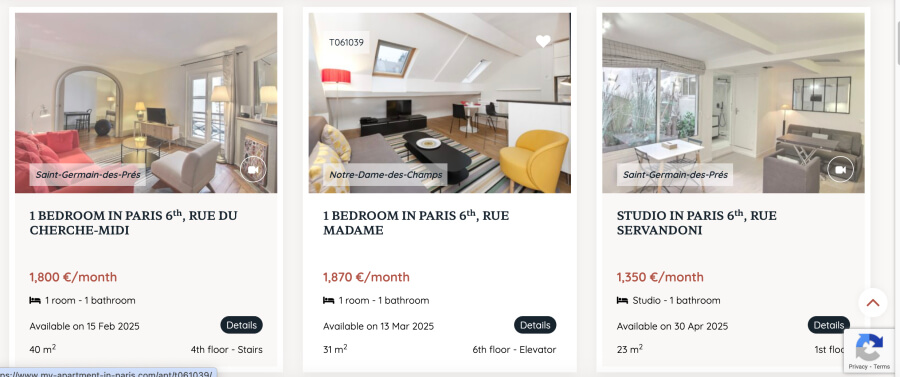
The French rental market operates under specific laws and customs that may surprise expats. Long-term rentals of unfurnished properties require a three-year lease; long-term rentals of furnished properties require a one-year lease, each with its own regulations and expectations. In cities such as Paris and Nice, each of those leases afford the tenant a 30-day cancellation, meaning that the landlord has little guarantee the tenant will fulfill the lease! It’s any wonder a landlord needs to be so choosy!
Be prepared to submit a dossier (a rental application package) that includes proof of income, tax returns, a French guarantor (yes, even if you’re financially secure), and, in some cases, references, as well as a “motivation letter” explaining why you will make the best tenant. If you’re self-employed, retired, or an expat without a French work contract, expect to face additional scrutiny. Landlords in France typically require extensive documentation that exceeds what many expats might be used to in their home countries. This can be incredibly challenging for freelancers or those new to France.
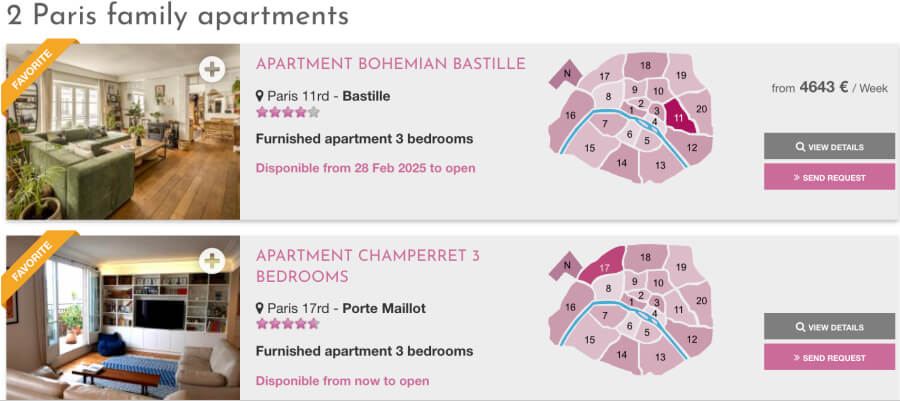
Furthermore, apartments, particularly in urban areas, are often significantly smaller than many North Americans might anticipate, and historical buildings frequently have unusual layouts, with bathrooms added as afterthoughts or kitchens tucked into unexpected corners. Toilets are likely to be separate from bath or shower rooms. Closets may be non-existing. Kitchens may be ill-equipped. Lighting may be poor and electrical plugs inconveniently placed or not there at all? If it has an elevator, it may be minuscule. And the apartment likely won’t be air-conditioned!
“FURNISHED” MIGHT NOT MEAN WHAT YOU THINK
Many expats assume that a furnished apartment means it will have everything you need to move in seamlessly. Think again. A long-term rental is not an Airbnb. Furnished apartments in France often offer the bare minimum, an odd assortment of kitchen utensils, mismatched linens, and just enough furniture to meet legal requirements. You may need to invest in additional comforts, from proper cookware to storage solutions. Conversely, unfurnished apartments can be surprisingly bare—meaning no kitchen cabinets, no light fixtures, and sometimes even no toilet seat! The concept of “taking a property as is” means you might need to invest in improvements to make a place truly livable. Be prepared to budget for installations and purchases you might not have considered.
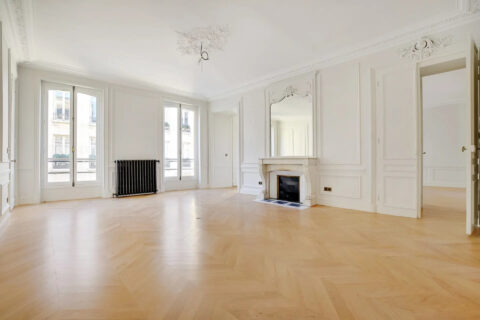
Remember, there’s a tenant for every apartment, so why would a landlord go to a lot of expense or trouble to make their property attractive when they can fill it at the drop of a hat?
And as we advise in every situation, take a short-term rental for one-to-two weeks in advance of your move-in date of your long-term apartment in order to take care of those unexpected improvements.
THE CONCEPT OF “MAINTENANCE” IS DIFFERENT
In France, tenants are responsible for minor maintenance tasks. This includes replacing lightbulbs, cleaning the water heater, and even handling some plumbing repairs. Many landlords expect tenants to manage these issues themselves rather than contact them whenever something needs fixing. Additionally, don’t assume that landlords will quickly address significant problems. There have been instances where tenants waited weeks—if not months—for something as essential as a broken heater to be repaired. If you want American-style responsiveness, you might need to adjust your expectations.
Maintaining long-term rentals in France presents unique challenges that many North Americans are unprepared for, mainly because the division of responsibilities differs significantly from other countries. In France, the tenant typically takes on the responsibility for what’s known as “locative repairs” (réparations locatives), which include maintaining appliances, replacing lightbulbs, fixing minor plumbing issues, and servicing heating systems. This arrangement often surprises newcomers who find out that calling the landlord for a leaky faucet or broken shutter isn’t standard practice. Compounding the issue, many historic buildings require specialized knowledge for repairs—from centuries-old plumbing systems to delicate wooden window frames that need particular care and sometimes approval from historical preservation authorities.
The point is that while the landlord is ultimately responsible for his property, the tenant cannot expect him to fulfill his duties at the same level you may be used to.
EXPECT SOME BUREAUCRATIC HEADACHES
Ah, the French bureaucracy—love it or hate it, you’ll have to navigate it. The bureaucratic challenges surrounding French rentals can be daunting enough to make even the most determined expat question their relocation choice. The process starts with compiling a dossier that rivals a small novel in thickness. For those unfamiliar, navigating this paperwork maze can be especially confusing, as requirements differ between agencies and individual landlords, with some demanding extra assurances like insurance certificates or character references. We’ve heard stories of people spending weeks refining their applications only to be rejected for seemingly trivial issues, such as an income that’s 2.9 times the rent instead of the required 3.0 times or because their guarantor resides in the wrong administrative region.
Setting up utilities, obtaining renter’s insurance (mandatory), and ensuring compliance with all legal requirements can be a frustrating experience. Fortunately, this is a service we provide, but even with that, we can’t do it alone without your assistance. Utilities may include changing the contracts on electricity, gas, water and Internet/TV/Phone. Each requires a bureaucratic process that could involve many hours and quite a lot of effort to accomplish. It can be hard to imagine if you come from a profit-driven society that is highly competitive, until you’ve been on one of France’s electricity websites or made a call only to end up being rejected or hung up on and having to start all over!
AGENCIES, SCAMS, UNREALISTIC LISTINGS, AND VISITS
Working with rental agencies in France offers expatriates professional support and extra complications. These agencies, called “agences immobilières,” frequently act as gatekeepers to the most sought-after properties, especially in competitive markets like Paris or the Côte d’Azur.
While they offer the advantage of a seemingly formal process that can be reassuring, this service comes at a premium—agency fees typically total up to one month’s rent plus a 20% Value Added Tax (VAT), a significant sum that must be paid upfront. Many expats are surprised to learn that these fees are non-negotiable and legally binding, unlike in some countries where the landlord may share or cover such costs. Furthermore, agencies tend to impose stricter criteria for applicants, often requiring higher income levels and more extensive documentation than private landlords. This creates an additional barrier for newcomers without an established French financial history.
The quality and service rental agencies offer vary significantly across France, resulting in unpredictable experiences. While reputable agencies deliver valuable services—managing the complexities of French lease agreements, performing thorough property inspections, and mediating disputes—others make minimal effort once their fee is secured. Many expatriates report feeling abandoned after signing the lease and left to handle maintenance issues or neighbor disputes without the support they anticipated from their substantial agency payment.
Additionally, some agencies maintain exclusive relationships with certain property owners or buildings, creating a situation where expats must work with multiple agencies simultaneously. Each requires its own fees (after signing) and paperwork to access the full range of available properties. This fragmented market can lead to weeks of redundant effort and multiplied costs for newcomers already struggling with international relocation’s financial and logistical challenges.
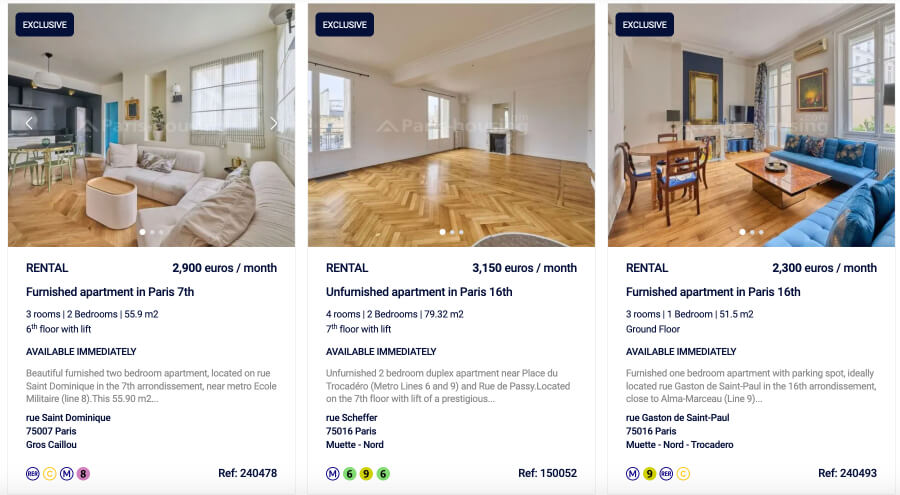
To further confuse matters, the online rental marketplace in France can sometimes be misleading, featuring photos that strategically leave out property flaws and using euphemisms like “charming” or “authentic” to disguise outdated features or awkward layouts.
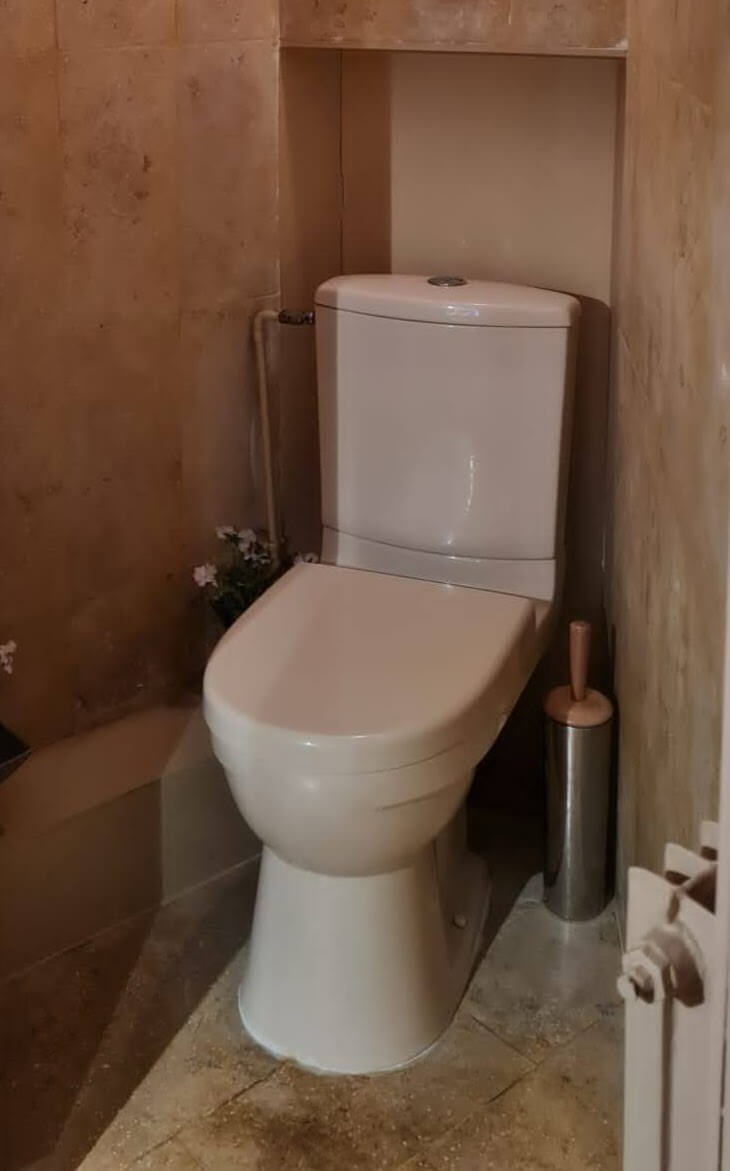
An independent toilet without a sink
Securing actual property visits often becomes an exercise in persistence and timing, as the most desirable listings receive dozens of inquiries within hours of posting. Many agents won’t schedule viewings without obtaining a complete application dossier—creating a frustrating chicken-and-egg situation where you can’t see the property until you’ve applied for it but don’t want to apply before viewing it in person. And if you try contacting the agent about a property that has already been rented, the agent is unlikely to take his time phoning or emailing you back…note this cultural difference: when the French have nothing to say, they say nothing! We spend quite a lot of time chasing agents to no avail!
BE PREPARED, BE PATIENT, AND BE FLEXIBLE
While the process may seem daunting, those who manage their expectations, approach the French rental market patiently, and prepare are ultimately rewarded. The stability of long-term leases provides security, while tenant protections ensure fair treatment once you’re settled. Remember that finding the perfect rental in France is rarely immediate—what begins as frustration often transforms into appreciation for a system that, while bureaucratic, offers significant protections and eventually leads to finding your French home.
Finding a long-term rental in France can be an adventure, and like any adventure, it comes with its fair share of challenges. Start your search early. It is essential to begin about six weeks before your planned move. When you find an apartment that suits you and the landlord has accepted you, plan to take it the first date it’s available.
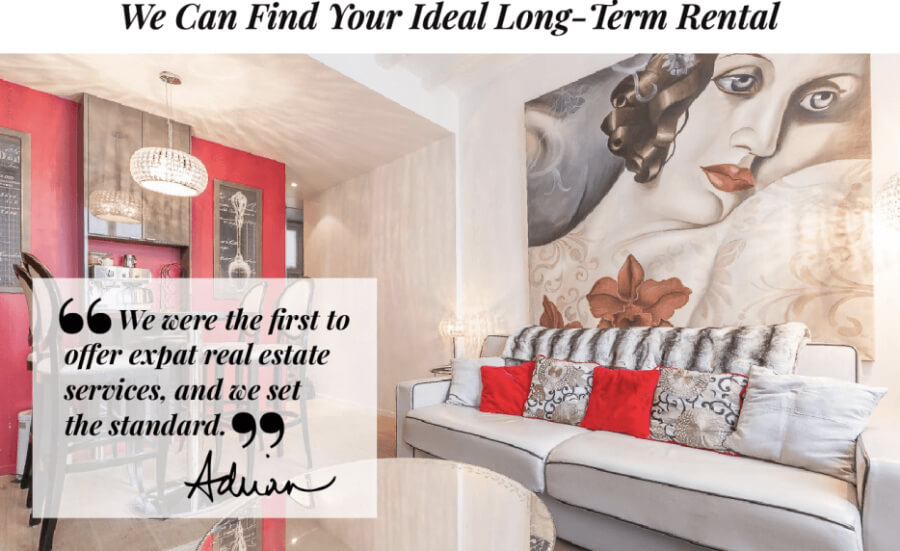
Working with experts who understand the market, such as ourselves, helps you navigate the complexities of French real estate rental bureaucracy. Having a short-term housing solution ready while you search and wait to move into the right property can reduce stress and prevent hasty decisions. Leveraging professional and social connections, of which we have plenty, can be invaluable, as many desirable rentals never reach public listings and are instead filled through word of mouth. When we contact the agencies on our clients’ behalf, it gives our clients a level of clout they wouldn’t have on their own. They know that our clients have paid us to perform the search and that speaks volumes.
Learning at least basic French and having our agents who speak it fluently can significantly enhance your chances with agencies and landlords. They often prefer working with people with whom they can communicate easily. Becoming familiar with French rental law helps you to avoid misunderstandings and safeguards your rights as a tenant, but our agents will educate you along the way.
By setting realistic expectations, thoroughly preparing your dossier, and understanding the nuances of the French rental system, we can help you find a place to call home. The key is to remain flexible, open-minded and understanding. You might not secure your ideal apartment on the first attempt. You may need to compromise on size, location, or amenities. However, if you approach it without “expectations,” but “hopes,” you will discover that perfect spot to live out your French dream.

There’s an old adage in France that an apartment is only as good as its landlord. And in our world, an agent is only as good as his client. If you’re a good client, then we can be a good agent. Trust in our agents to do their job at the best of their ability, with the full understanding of the challenges they face to represent you and find you that dream home in France!
A bientôt,
 Adrian Leeds
The Adrian Leeds Group®
P.S. A note from Adrian: I moved into a rental apartment last July while my apartment was undergoing major structural work. To make my rental apartment more enjoyable, I fixed and replaced multiple light fixtures, added an art gallery system and installed a washer-dryer to the total tune of about 2,500€! I did not ask the landlord to pay for any of it. As a result, I have a very happy landlord, he has a happy tenant and our relationship is exemplary. For example, when the dishwasher wasn’t functioning, he replaced it without question. And stay tuned, because the apartment will be for sale soon, and we will be offering it to all of you!
1 Comment
Leave a Comment

Let Us create a custom strategy for you
You can live or invest in France-now.
Property for sale
what's happening
Check out upcoming events, conferences, or webinars. Join us!
GET FINANCING
Learn about French Property Loan Information.
Read & Subscribe
Dive into more by reading the Adrian Leeds Nouvellettre®
Better yet, subscribe to both and get the updates delivered to your inbox.

Get started with your dream of owning property in Paris.
Join us on Youtube
Dive into more on how to live, invest & escape to France
Be sure to subscribe!
To read more, click the links below.
Excellent information! Thank you.