


Weekly insights about property in France!
Subscribe and don't miss an issue!
Spring in France: Falling in Love
Volume XXIV, Issue 12
By Jay Corless, edited by Adrian Leeds
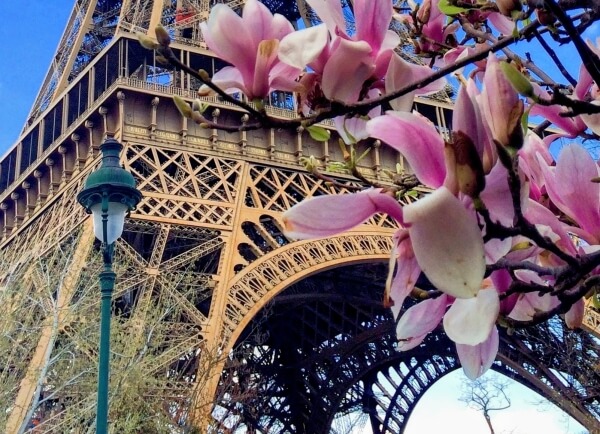
Every year, spring does something to people in France. The light changes. Café terraces begin to fill. Parks and gardens come back to life. Windows are thrown open, shutters fold back, and suddenly what may have seemed like a practical property search in winter becomes something far more emotional by March and April. Buyers begin not merely to calculate, but to imagine. They picture themselves shopping at the market, meeting friends for coffee, walking home in the soft evening air, and living the life they had promised themselves would one day move from dream to reality.
And that, of course, is when France becomes dangerous, in the most delightful sense of the word. Because spring in France does not simply flatter the landscape. It flatters the imagination. And nowhere is that more true than in real estate. This is the season when buyers stop asking only, “What does it cost?” and begin asking, “Could I live here?”
The broader market gives them reason to look again. The Notaires de France described the national market in late 2025 as showing the beginnings of a fragile recovery after two years of decline, while other notarial commentary pointed to stabilization in 2025 rather than renewed frenzy.
What makes France especially fascinating in spring, however, is that there is no single French dream. Paris is not Nice. Nice is not Lyon. Lyon is not Bordeaux. Bordeaux is not Toulouse or Marseille. Each city and region offers its own version of beauty, rhythm, and belonging. The buyer is not simply choosing square meters. The buyer is choosing a way of life.
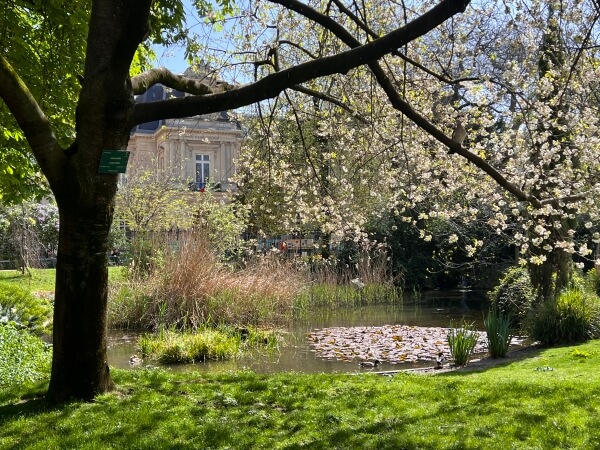
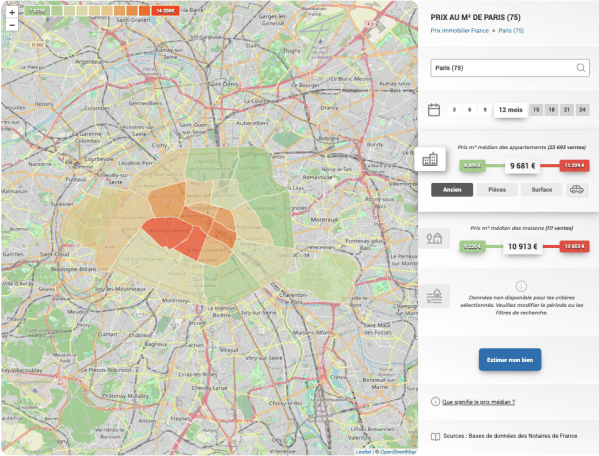
In Paris, spring is elegance rediscovered. The city, gray and almost withholding in winter, suddenly remembers itself. The Seine glitters, chestnut trees bloom, terraces reappear, and neighborhoods regain their air of seduction. For property buyers, this is when light becomes visible rather than theoretical. A balcony that seemed incidental in February feels priceless in April. According to Notaires du Grand Paris, the standardized price for older Paris apartments stood at 9,600 euros per square meter in the fourth quarter of 2025, with sales volumes also recovering year on year.
Lyon offers something different: substance, livability, and confidence. It feels grounded and prosperous, with superb gastronomy and a more manageable pace than the capital. In spring, its riverbanks, hills, and historic quarters come alive. Buyers drawn to Lyon are often looking for a city that is serious without being overwhelming and urban without being exhausting. Notarial price data continue to place Lyon among the country’s major urban markets, reinforcing its reputation as a solid long-term choice.
Bordeaux has its own kind of persuasion. The city has long appealed to buyers who want architectural beauty, refinement, and a close relationship with wine country and the Atlantic coast. Spring suits it perfectly. The pale stone glows, public spaces fill, and the lifestyle becomes instantly convincing. For many, Bordeaux offers one of the most balanced combinations of urban elegance and regional ease in all of France.
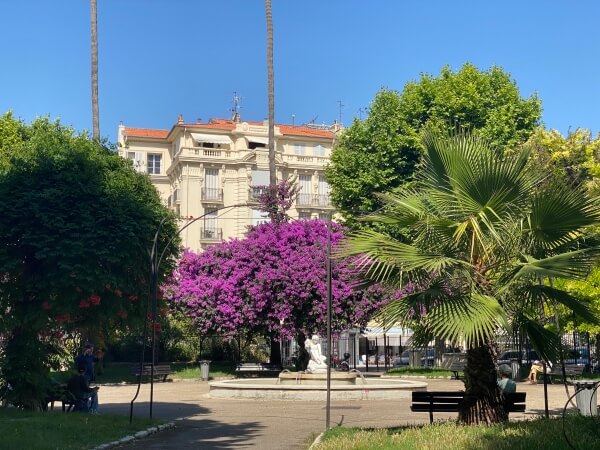
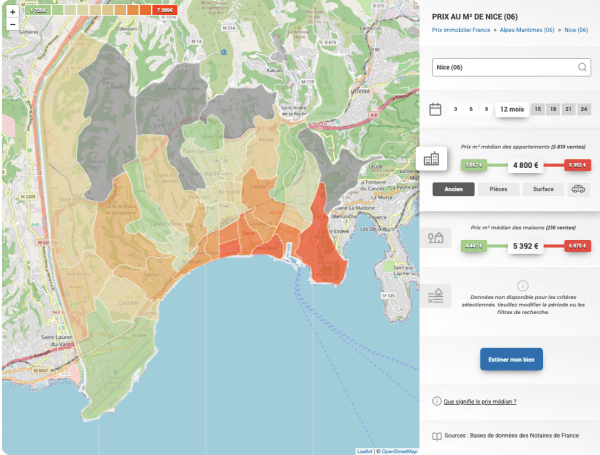
Then there is Nice, where spring feels less like a transition than an arrival. By spring, Nice is already offering brightness, sea air, and outdoor living. Here, a sea view is not simply a luxury; it is part of the rhythm of life. The Alpes-Maritimes notaries described their 2025 market as broadly stable, with apartment transaction volumes rising and median prices holding at levels that continue to make the Riviera one of the country’s most emotionally compelling markets.
Marseille tells a different Mediterranean story. It is rawer, bigger, edgy and a lot less polished than Nice, but that could also be its appeal. Marseille draws buyers who want energy, authenticity, and a city with edge. It is not a postcard fantasy; it is a working port with complexity and beauty. In spring, that combination can be irresistible. Buyers who choose Marseille are often choosing character over perfection and often getting more space and more texture in return.
Toulouse, too, deserves a place in the spring conversation. The Ville Rose combines warmth, dynamism, and a strong economic base, especially for buyers who value a major city with real employment strength but a more relaxed southern identity. It appeals to those who want sunshine and momentum, but not necessarily the premiums of Paris or the Riviera. Notarial price data continue to show Toulouse as one of the key provincial city markets to watch.
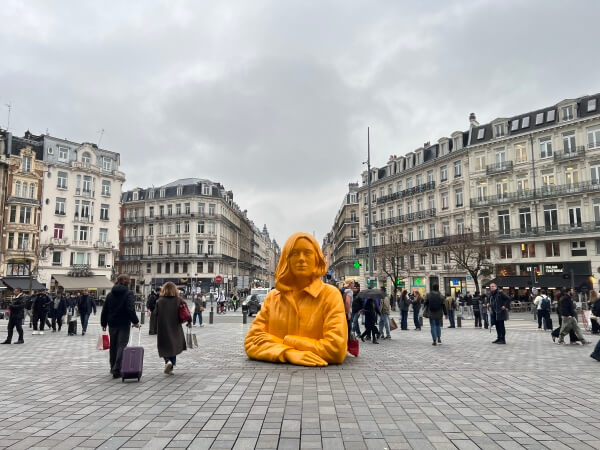
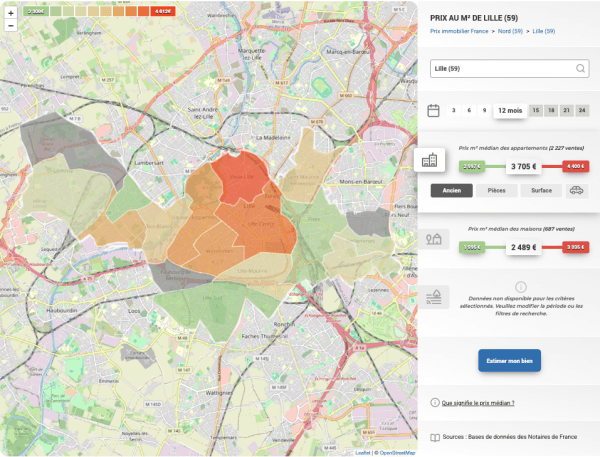
While, Lille adds a very appealing northern note to the story. In spring, the city feels lively rather than showy: grand Flemish façades, handsome squares, busy cafés, and a youthful energy shaped by its large student population and cross-border position near Belgium, Paris, and London. For buyers, Lille can be especially attractive because it combines architectural character and real urban life with a price point that often feels more approachable than Paris, while still offering the convenience of a major economic hub. Notarial price data continue to place Lille among France’s established city markets, which reinforces its appeal for buyers looking for substance, connectivity, and long-term livability rather than Riviera glamour.
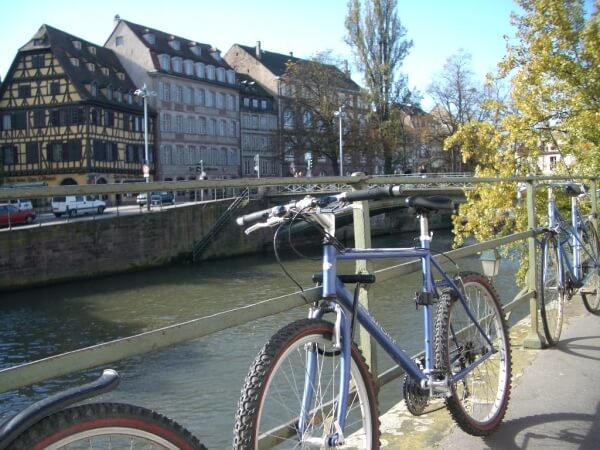
And then there are cities such as Strasbourg, Nantes, Rennes, Montpellier, Annecy, and Aix-en-Provence, each offering its own answer to the question of what “living well” in France should mean. Some buyers want cultural density. Others want sea air, mountain views, or a gentler pace. The magic of France is that all of those versions exist.
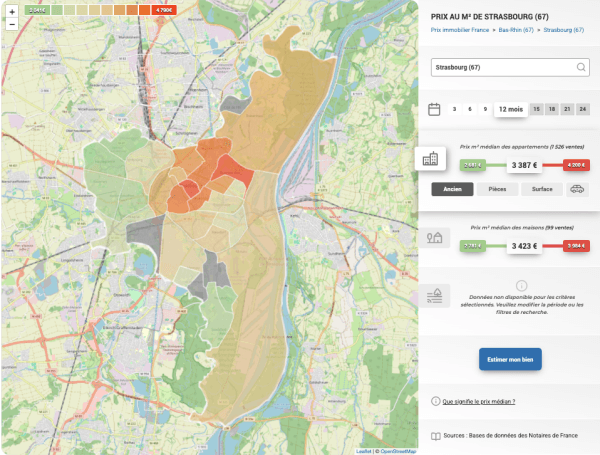
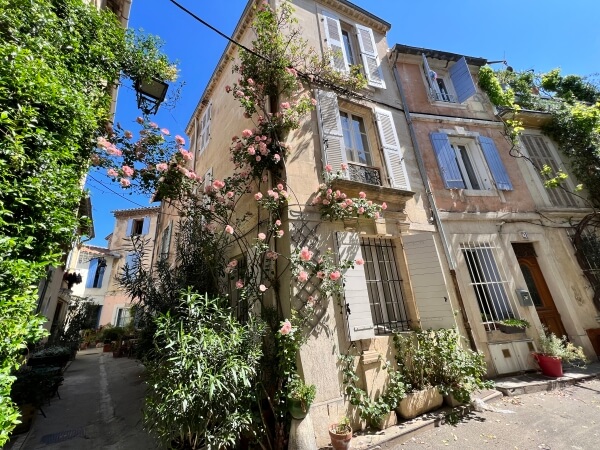
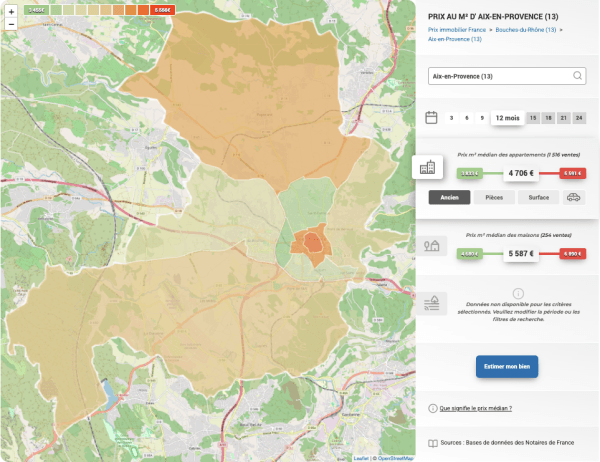
Of course, spring also carries a risk. It makes everything look a little more beautiful and a little more possible than perhaps it will feel in November. A property that dazzles in April must still function in January. Buyers should enjoy spring’s spell—but not surrender entirely to it. Still, this is precisely why spring matters so much in the French property market. It reminds us that buying in France is never only a financial transaction. It is also an emotional decision, a lifestyle decision, and often a deeply personal act of projection. People buy where they can see themselves being happy.
Choosing the right city in France is never only about price, weather, or postcard appeal. For expats, we always encourage a more thoughtful set of criteria: lifestyle, walkability, transportation, access to healthcare, international connectivity, rental or resale potential, climate, cultural life, and most importantly…community! A beautiful apartment or home in the wrong place is still the wrong choice.
That is why we help clients look beyond first impressions and narrow in on the city that fits both their practical needs and their long-term vision, whether that turns out to be the cultural energy of Paris, the Mediterranean ease of Nice, the international flavor of Strasbourg, or the connectivity of Lille. The goal is not simply to buy property in France, but to choose the city that will feel like home long after the first flush of spring has passed.
Note: Our top cities and locations in France that meet all of these important criteria: 1) Paris, 2) Nice,3) Aix-en-Provence, 4) All of Provence, Lille and 6) Strasbourg.
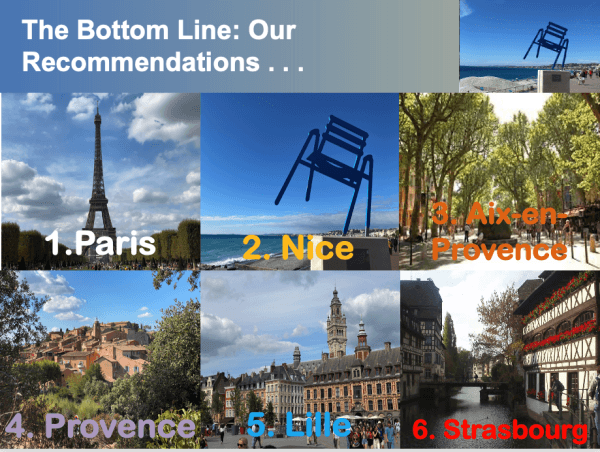
When you meet with us, be sure to ask us why!
A bientôt,
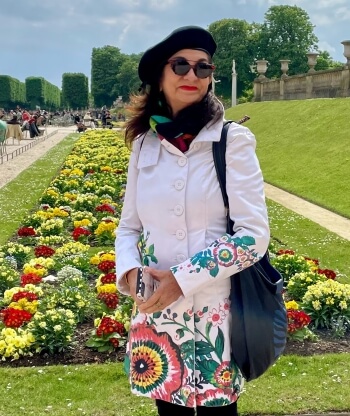 Adrian Leeds
The Adrian Leeds Group®
P.S. We’re the folks who can make your French property investment dream come true, while protecting you from making serious mistakes. Review the services we offer to help you find the perfect property in France!

Let Us create a custom strategy for you
You can live or invest in France-now.
Property for sale
what's happening
Check out upcoming events, conferences, or webinars. Join us!
GET FINANCING
Learn about French Property Loan Information.

Read & Subscribe
Dive into more by reading the Adrian Leeds Nouvellettre®
Better yet, subscribe to both and get the updates delivered to your inbox.

Get started with your dream of owning property in Paris.
Join us on Youtube
Dive into more on how to live, invest & escape to France
Be sure to subscribe!
To read more, click the links below.