


Weekly insights about property in France!
Subscribe and don't miss an issue!
Subscribing to Utilities and Services in France: What They Don’t Tell You
Volume XXIII, Issue 19
By Jay Corless, edited by Adrian Leeds
So you’ve done it. You’ve either bought or rented that adorable apartment in Paris, a sunny home in Nice, or a rustic cottage in Provence. You’ve signed the paperwork, popped a bottle of bubbly, and started dreaming of your new life in France. But then it hits you: the lights don’t work, there’s no hot water, your phone doesn’t have a signal, and you can’t stream Netflix. Welcome to the hidden chapter in French home ownership—setting up your utilities and services.
It’s not glamorous. It’s not fast. And it’s definitely not what you’re used to if you come from North America. But with the correct information—and a lot of patience—you can get through it without losing your mind.
ELECTRICITY AND GAS – EDF, METER READING, AND THAT FUSE BOX
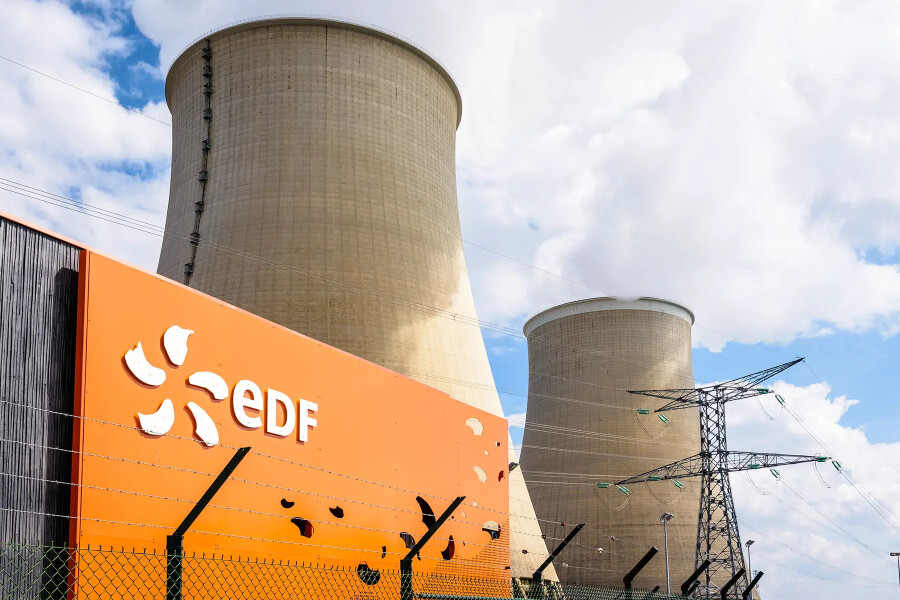
Most properties in France are connected to the national grid via EDF (Électricité de France), the traditional provider of electricity and gas. While alternative providers like Engie, TotalEnergies, and Eni have entered the market recently, EDF is still the most common name.
If you’ve purchased a home…the moment you have the “Acte de Vente” (title deed) in hand, you should start transferring or opening your EDF account.
You’ll need:
1. A copy of your French ID or passport
2. Proof of ownership (Acte de Vente)
3. The “Point de Livraison” (PDL) number for electricity or “Point de Comptage” (PCE) for gas – both are on the previous bills (if you can get copies from the previous owners)

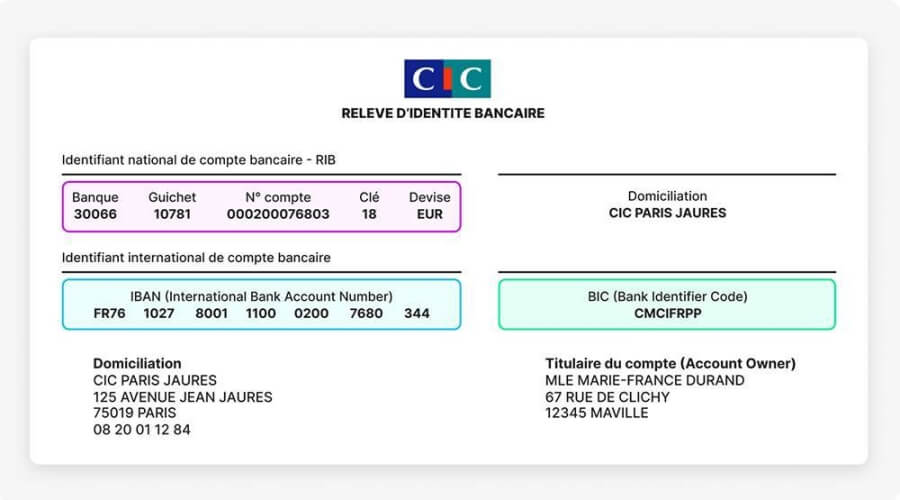
4. A French bank account with a “Relevé d’Identité Bancaire” (RIB) for an auto-debit setup
5. A meter reading from the day of your move-in
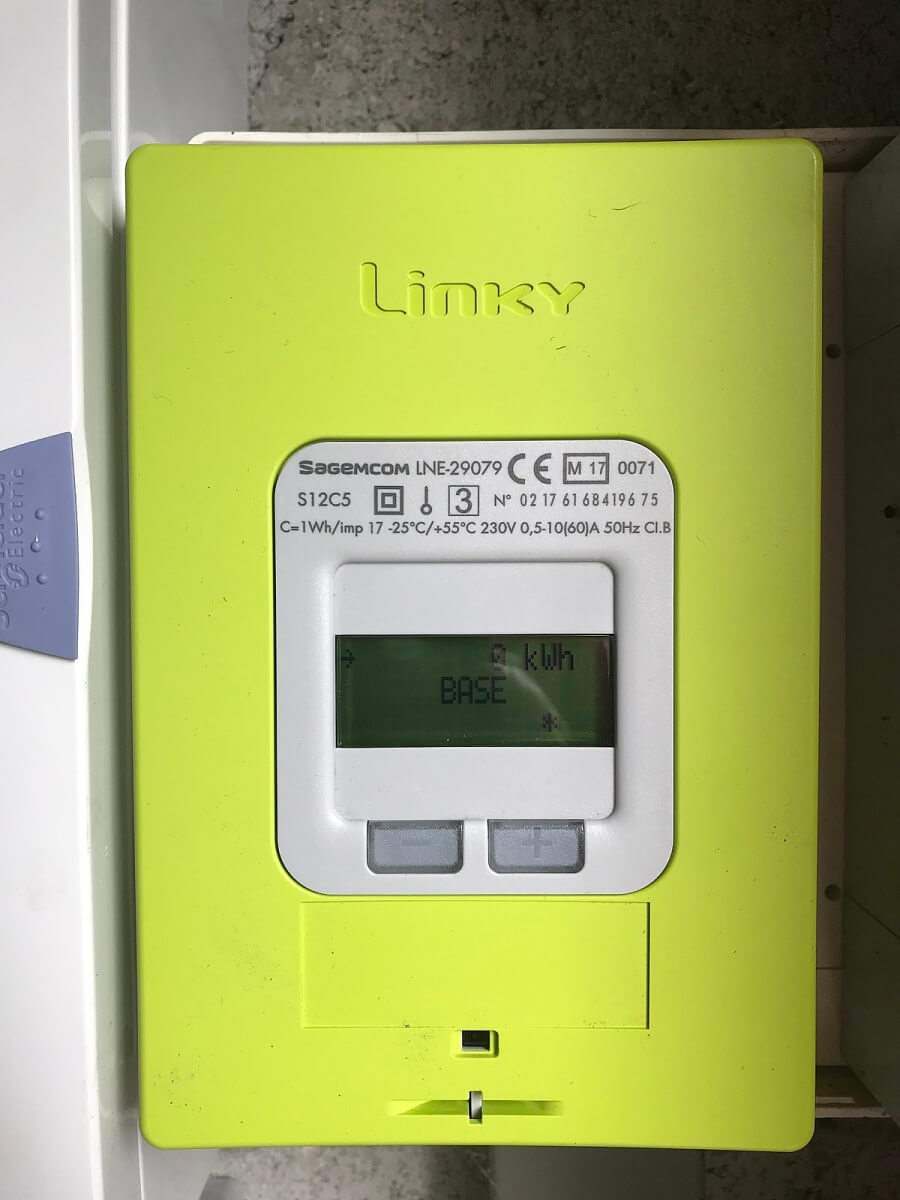
If the power or gas has been cut off (not uncommon if the property has been empty for some time), Enedis (for electricity) or GRDF (for gas) will have to reconnect the service, which involves an appointment—yes, with a technician who may or may not show up on time (or at all). Appointments are often given in full-day windows, and sometimes, you’ll be charged for the visit.
If you’re renting…it’s common in France for tenants to be responsible for their utility contracts, even in furnished rentals. If the power is already on, you still need to call and get it transferred into your name to avoid being shut off later. Some landlords or agencies help with this, but many don’t. Always ask before you sign the lease.
WATER—LOCALIZED, PAPER-HEAVY, AND EASY TO OVERLOOK
Unlike electricity and gas, water in France is managed locally, unless the building includes it in their homeowner association fees. If not, you’ll need to contact the “mairie” (municipality) or their contracted provider (often Veolia, Saur, or Suez).

Steps:
1. Visit the mairie or the provider’s website
2. Provide your ID, proof of ownership or lease, and your RIB
3. Submit the current meter reading (in cubic meters, m³)
Water bills are typically sent quarterly or biannually. They are based on actual consumption or estimations, adjusted after annual meter readings.
Watch out for:
1. Old meters: Some older properties don’t have remotely readable meters. You may need to photograph it and send it in
2. Communal water: In apartments, water is often included in the copropriété fees (building fees), so you may not need to set up a separate contract
3. Delays: Processing can take weeks. Follow up if you don’t receive a monthly bill or contract
And yes, some towns still require written letters or in-person appointments. The 21st century doesn’t move quickly in rural France!
INTERNET AND MOBILE PHONES—WHERE TIME SLOWS TO A CRAWL
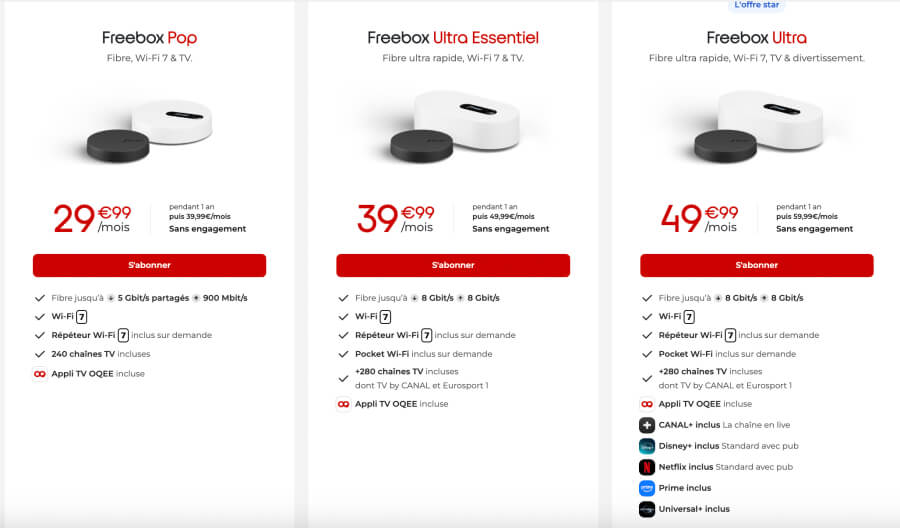
You won’t believe how long it can take to get Wi-Fi in France until you experience it. While the country has been pushing fiber optic (fibre) service, don’t expect New York– or Toronto–style connectivity overnight.
The “Big Four” providers are:
1. Orange (formerly France Télécom – most widespread)
2. SFR
3. Bouygues Télécom
4. Free
To sign up, you’ll need:
1. Proof of address (utility bill or Acte de Vente/lease)
2. French ID or passport, and sometimes your Visa
3. RIB
4. French mobile number (yes, you need a number to get a number—welcome to the paradox!)
Appointments to install fiber optics can take two to six weeks. It depends on technician availability and whether your building is already wired for fiber.
Mobile service is faster to set up. You can walk into any mobile phone shop with a SIM card (called a “forfait”) on a pay-as-you-go or monthly plan. Some allow foreign credit cards and passports; others don’t.
Temporary solution: Buy a prepaid SIM or a pocket Wi-Fi (router mobile) while waiting for full service. These are available at FNAC, Darty, or most phone stores.
MAIL FORWARDING AND OFFICIAL POST—DON’T MISS YOUR CARTE DE SEJOUR
Remember to forward your mail when moving in, especially if you’re applying for a visa or residency card. Missing a notification from the “préfecture” can set you back months.
How to set up mail forwarding (réexpédition):
1. Visit laposte.fr
2. Choose a timeframe (6 months, 12 months, etc.)
3. Provide old and new addresses
4. Pay online (starting around €30)
You can’t forward mail retroactively; mail addressed to a business cannot be sent to a personal address without authorization. For expats, using a domiciliation service (mail collection or forwarding service) during transitions is brilliant.
OTHER SERVICES—TRASH, TV LICENSES, AND TAXES
1. Trash collection (ordures ménagères) is managed locally. It is sometimes billed via the annual “taxe foncière” (property tax), occasionally separately
2. TV license (“contribution à l’audiovisuel public”): Previously billed with housing taxes; abolished in 2022, but still referenced in some older paperwork
3. Home insurance: Required for tenants and highly recommended for owners. You’ll need it before signing some leases or even opening utility accounts
FINAL THOUGHTS—WHY A LITTLE HELP GOES A LONG WAY
Yes, it’s complicated, slow, and confusing, even for longtime residents. But you don’t have to do it alone. We can do the heavy lifting and often get things done faster thanks to established relationships with service providers.
Above all: don’t wait. The day you have your lease or deed in hand is when you begin making calls, setting appointments, and gathering your documents. The earlier you start, the smoother your move-in will be.
And once everything is connected, humming, and delivered, you’ll sit on your terrace, Wi-Fi-enabled tablet in hand, sipping a glass of Bordeaux, and think…that was worth it.
Because it always is.
A bientôt,
 Adrian Leeds
The Adrian Leeds Group®
P.S. We provide this utility hook-up service at a fee for our search clients. It’s no easier for us, but we have more experience than you, and do all we can to take the stress off you. But, there’s no “waving of a magic wand” to see it through to completion…so knowing what it takes (thanks to this comprehensive article) is half the battle of staying sane!

Let Us create a custom strategy for you
You can live or invest in France-now.
Property for sale


what's happening
Check out upcoming events, conferences, or webinars. Join us!
GET FINANCING
Learn about French Property Loan Information.

Read & Subscribe
Dive into more by reading the Adrian Leeds Nouvellettre®
Better yet, subscribe to both and get the updates delivered to your inbox.

Get started with your dream of owning property in Paris.
Join us on Youtube
Dive into more on how to live, invest & escape to France
Be sure to subscribe!
To read more, click the links below.