


Weekly insights about property in France!
Subscribe and don't miss an issue!
The Airbnb Era—What It Means for Our Future Transient Lives
Volume XXIII, Issue 40

By Jay Corless, edited by Adrian Leeds
If you’ve been dreaming of buying your own pied-à-terre in Paris and renting it out when you’re not here to help cover your expenses, the dream just became a little more complicated.
France, like much of Europe, has decided that the “Airbnb era” needs to be reined in. After years of explosive growth in short-term rentals—and the slow exodus of residents from city centers—local governments have decided enough is enough.
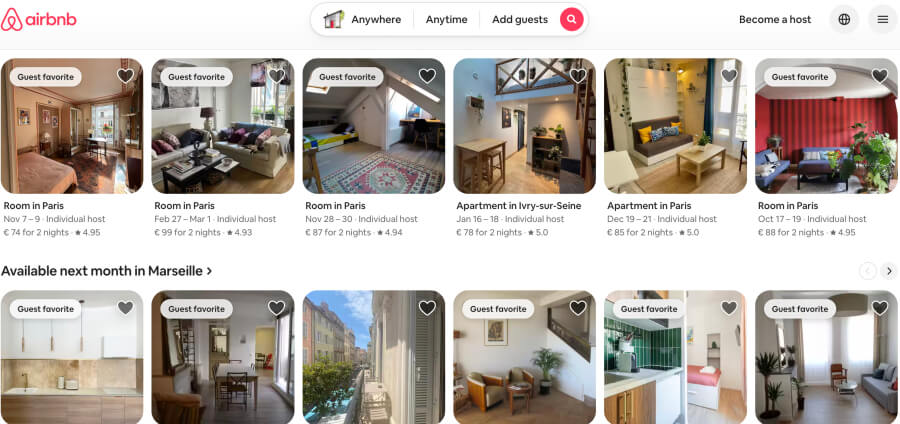
This autumn, new national rules and a growing web of local restrictions have reshaped the way furnished tourist rentals (meublés de tourisme) operate across the country. The stated goal is simple: preserve housing for residents, not tourists. But for many property owners—especially foreign investors and expats—the result feels like a tightening noose of bureaucracy and red tape.
Under France’s national framework, any furnished property rented for short periods must now be officially declared and registered with local authorities. Primary residences may be rented out for up to 120 days per year. However, cities such as Paris, Lyon, and Marseille have reduced this to 90 days. In tourist-heavy zones, it’s no longer enough to list your flat and collect income. Some owners must now compensate by renting another property long-term to offset the loss of residential housing. Even those handy key boxes on street lamps—a symbol of Airbnb’s independence—are being banned across dozens of towns.
THE CASE FOR REGULATION
Before we despair, let’s give the other side its due. Across France, particularly in historic centers, Airbnb’s success has come at a cost. In Paris, tens of thousands of apartments that once housed full-time residents have been converted into lucrative short-term lets. On the Basque Coast, in Biarritz and Saint-Jean-de-Luz, entire neighborhoods have hollowed out—façades beautifully preserved, but shutters closed most of the year.
Residents complain they can no longer afford to live where they work; local cafés and schools lose their clientele; city centers become postcard-perfect but lifeless. For mayors trying to preserve community life, the Airbnb boom has begun to resemble a housing crisis.
The government’s reforms aim to restore balance. The “Loi Le Meur,” passed in late 2024, gives municipalities new powers to impose their own limits. Some have capped rentals to 90 nights per year; others have introduced complex compensation schemes or quota systems by neighborhood. Annecy has set a hard ceiling of 2,660 tourist rentals; Saint-Malo restricts tourist homes to just 12.5 percent of the historic quarter.
For expats and long-term residents, there’s an upside: more long-term rentals, less speculation, and ultimately greater stability in local markets. For those who genuinely wish to live in France—not just profit from it—these reforms may finally open doors that have long been shut.
THE HIDDEN COSTS FOR OWNERS
Still, for many owners, the new regime feels harsh. The dream of owning a small apartment, enjoying it for a few months a year, and renting it out when absent has always been part of the expatriate appeal. Under the new system, that flexibility is fading fast. Paris now prohibits the short-term rental of secondary residences altogether. Transforming a long-term flat into a tourist rental requires a change-of-use authorization from City Hall. This costly, bureaucratic ordeal can require purchasing “compensation rights” equal to another apartment’s value.
Even smaller towns are following suit. Municipal councils across France are following Paris’s example, equipping inspectors with new enforcement powers and threatening fines of up to 50,000€ per room for unauthorized listings. Platforms like Airbnb now share host data directly with tax authorities, meaning the days of “discreet renting” are over.
LA ROCHELLE’S LEGAL VICTORY — AND WHAT IT MEANS FOR EVERYONE
One case has come to symbolize this new assertiveness: La Rochelle’s three-year legal battle over short-term rentals. The coastal city imposed a rule that if an owner converts a dwelling into a tourist rental, they must simultaneously offer another property for year-round housing—a system known as the “compensation rule.” Local landlords rebelled, arguing that the measure violated their property rights. But in 2024, France’s highest administrative court sided decisively with the city.
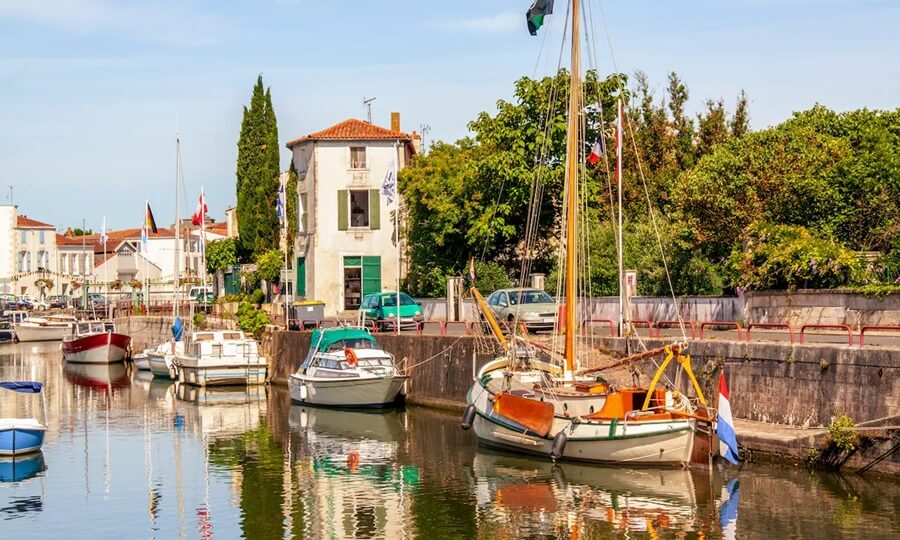
La Rochelle
The court ruled that municipalities have the constitutional right to regulate housing use in the public interest—effectively declaring that the preservation of local residency outweighs the right to rent freely for profit. This precedent has rippled across France. From Bordeaux to the Basque Coast, other cities are now drafting similar measures, confident that the law is on their side.
For property owners, the La Rochelle decision was a watershed moment. It confirmed that local governments can not only limit but also condition short-term rentals—turning what was once a private investment choice into a regulated civic responsibility.
A CULTURAL DIVIDE
Beneath the legal details lies something more profound—a cultural divide. France has never viewed housing as a purely financial instrument. To the French, a home is part of the nation’s social fabric. The ideal of the resident principal—someone who lives, works, votes, and pays taxes locally—is central to that philosophy. The image of absentee landlords profiting from transient tourists clashes with France’s notion of solidarity and community.
To North American investors used to freer markets, this can seem alien, even unfair. But to the French, it’s common sense—a way to preserve cities as living, breathing communities rather than Airbnb amusement parks.
FINDING BALANCE
After decades of helping North Americans buy property in France, we’ve seen both sides of this story. Short-term rentals allowed many clients to afford their dream apartments—and gave travelers a chance to experience authentic Parisian life. For ten years, the Adrian Leeds Group booked and managed about 35 short-term rental apartments. Nine out of ten of our clients purchased property for investment between 2003 and 2013, before the rental laws became stricter, and when renting an apartment rather than a hotel became “de rigueur.” We were all laughing all the way to the bank, and I was battling the restrictions like a good capitalist. In fact, I owned two rental apartments myself that were “controlled” by the authorities, so I sold them off…very sadly indeed. To this day, I regret that!
I began a big battle against the government control because I’m personally a big believer in having the right to do what I want with my property, and that the cities shouldn’t have the right to tell me if it can be rented or not. Let’s face it, by law we can let anyone we want stay in our own property (friends and relatives, etc.)…the difference comes with the exchange of money. And I have always contended that if the cities would allow the residents to govern themselves, via their homeowner associations, the buildings would be even stricter than the officials if they were so unhappy with transient tenants.
This is my soapbox. Yet, we changed our business by no longer offering short-term rentals and moved on to other types of real estate transactions as a result. If you believe the authorities, then they claim this also hollowed out neighborhoods, turning once-vibrant streets into corridors of suitcases and key safes.
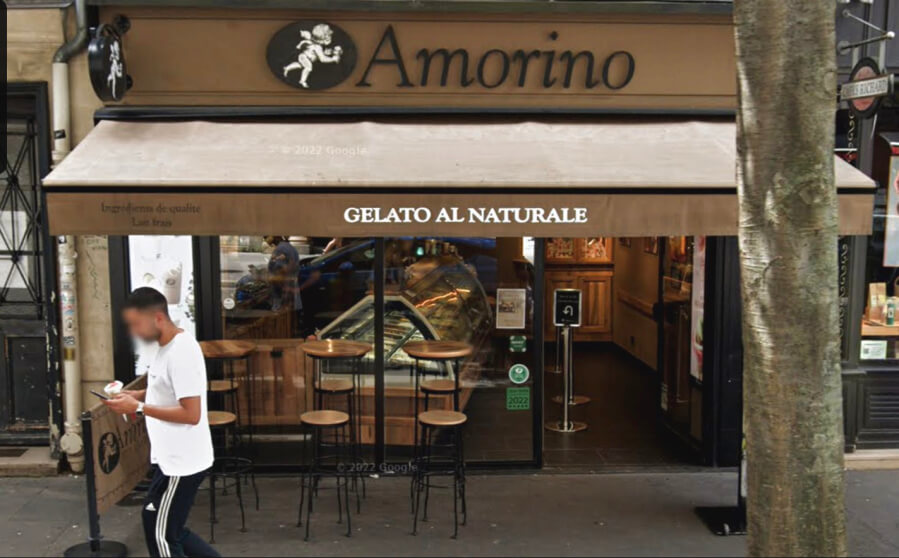
Maybe that’s true, but if you saw rue de Bretagne ten years ago and now, you’d witness how tourism has brought real vibrancy to the “quartier.” The merchants and restaurants are quite happy, both a whole lot more upscale, generating a whole lot more income for them and for the city’s taxes. Let’s not forget that tourism is one of Paris’ most important industries. It’s the most touristed city in the world, so what about them? The point is that somehow we need to live together to enrich all of our lives.
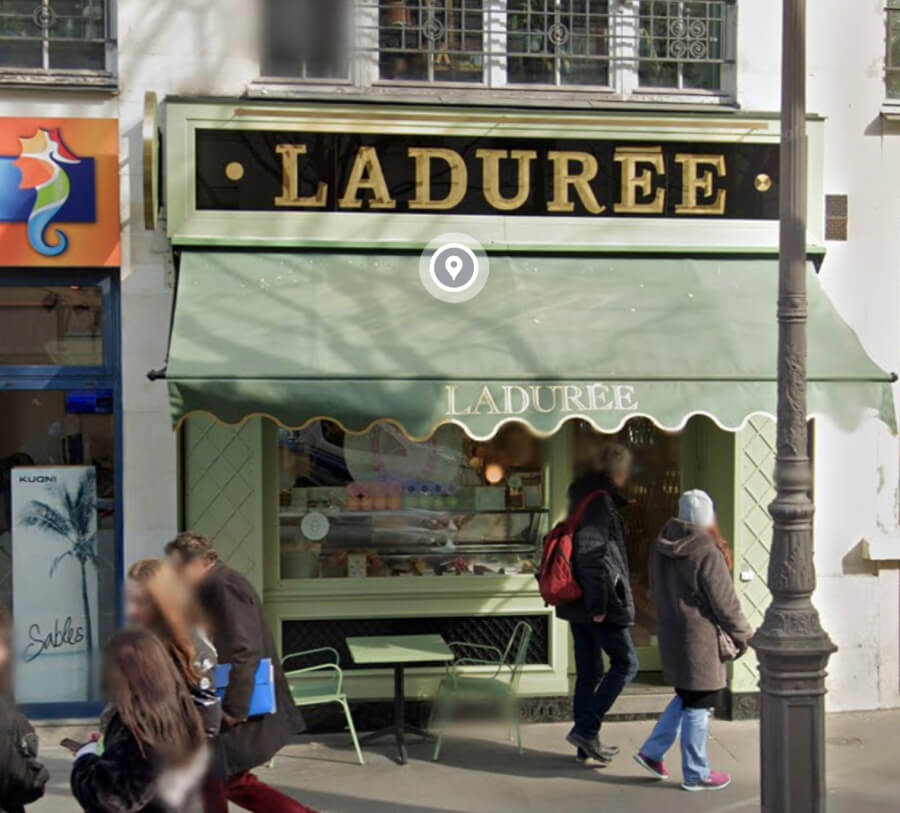
And while it irks me that every other merchant having opened on rue de Bretagne in the last three or four years offers some sort of sugary delight (jokingly, I call it “rue de la sucrerie”) rather than shops devoted to the residents, as an owner (and investor), this has increased the value of my property, about five times since purchasing it 25 years ago. For that reason, I was able to take out equity release loans and purchase four more properties!
So, sure. I benefited from all of this, and that’s the capitalist in me coming out. The truth is that both realities are valid. The challenge is balance. If you plan to live in France, even part-time, these laws can work in your favor. They protect the quality of life, stabilize the market, and reward resident ownership. But if your goal is purely financial, the short-term model is no longer sustainable in major cities. There are still opportunities—in smaller towns, serviced apartment models, and long-term furnished rentals—but success now demands compliance, transparency, and local engagement.
France has always prioritized the quality of life over quick profits. These new laws, however cumbersome, reflect that enduring value.
I’m on the fence. For most people who love France not just for its architecture, but for its art of living, no doubt they believe it’s worth protecting. While I certainly believe I am one of those…it’s tough to shed the idea that we could have it all if we just approach the problem differently.
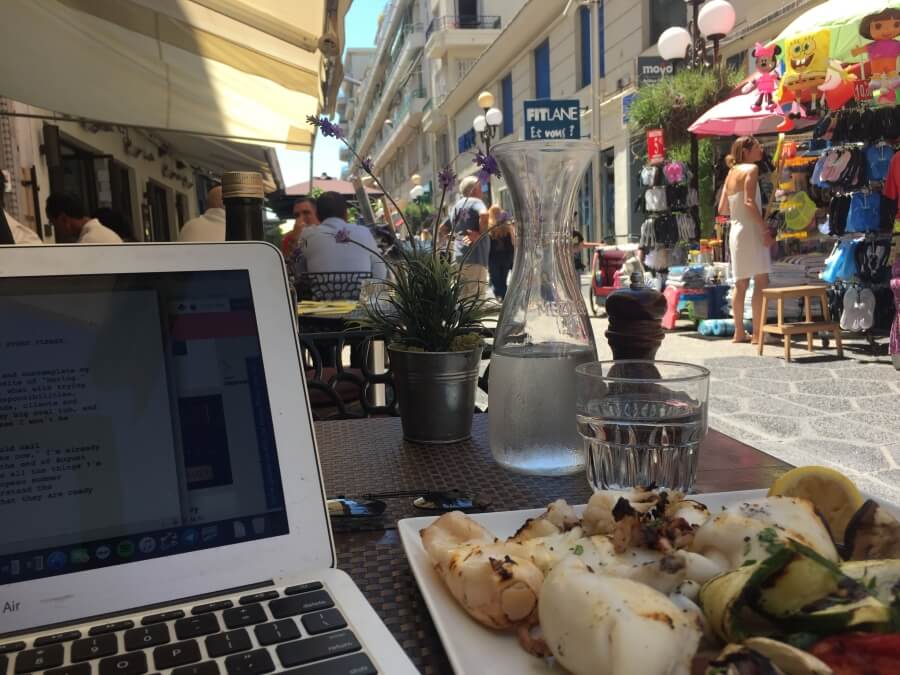
Our world has changed drastically with the Covid-19 pandemic crisis. We became mobile, and we now live in more than one place because we can. This is not going to change. In fact, we will work remotely more and more, meaning we might want to keep abodes in many different cities, if affordable. Transiency will be more the norm than not, so rather than fighting the change, why not embrace it and learn how to find ways we can all live together?
A bientôt,
 Adrian Leeds
The Adrian Leeds Group®
P.S. We’re the folks who can make your French property investment dream come true, while protecting you from making serious mistakes. Review the services we offer to help you find the perfect property in France!

Let Us create a custom strategy for you
You can live or invest in France-now.
Property for sale
what's happening
Check out upcoming events, conferences, or webinars. Join us!
GET FINANCING
Learn about French Property Loan Information.

Read & Subscribe
Dive into more by reading the Adrian Leeds Nouvellettre®
Better yet, subscribe to both and get the updates delivered to your inbox.

Get started with your dream of owning property in Paris.
Join us on Youtube
Dive into more on how to live, invest & escape to France
Be sure to subscribe!
To read more, click the links below.