


Weekly insights about property in France!
Subscribe and don't miss an issue!
Updated “Frais de Notaire: What Buyers Need to Know in 2025–2026
Volume XXIII, Issue 45

By Jay Corless, edited by Adrian Leeds
France has introduced a quiet but meaningful shift in the “frais de Notaire” (notarial taxes and fees). While the Notaire’s own regulated fees remain virtually unchanged, the transfer taxes embedded in the closing costs are entering a new chapter.
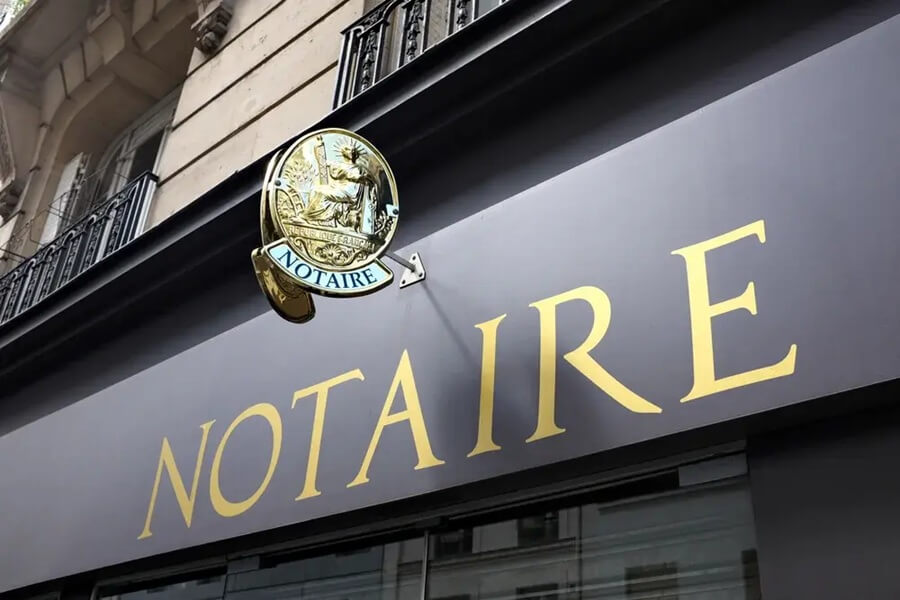
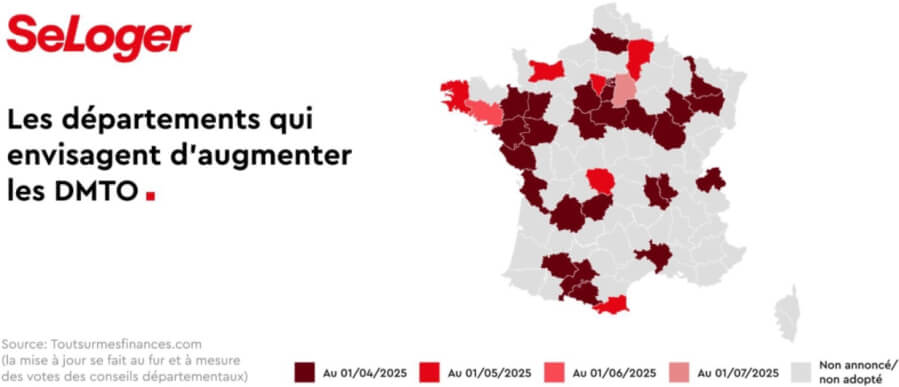
As of April 1st, 2025, every department in France has the option to increase the “droits de mutation” (real estate transfer taxes) by up to 0.5 percentage points, raising the top rate from 4.5 to 5.0 percent. It’s a local decision, not a national mandate: departments may adopt the increase immediately, wait until January 2026, or choose not to raise it at all. The measure is part of the 2025 Budget, intended to bolster strained local budgets.
The reform sounds technical—and it is—but the consequences are straightforward. A higher departmental rate means higher closing costs for resale properties, with the exact amount depending on where you’re buying and when your “Acte de Vente” is signed. Timing matters: the tax rate is determined on the day you sign the final deed, not when you accept the offer or sign the pre-sale agreement. A few weeks’ difference in the signature date could place the same purchase under a different tax regime. My own daughter fit the requirement on the property we purchased together last week in Paris. Her portion of the ownership saved .05 percent which amounted to quite a bit of savings.
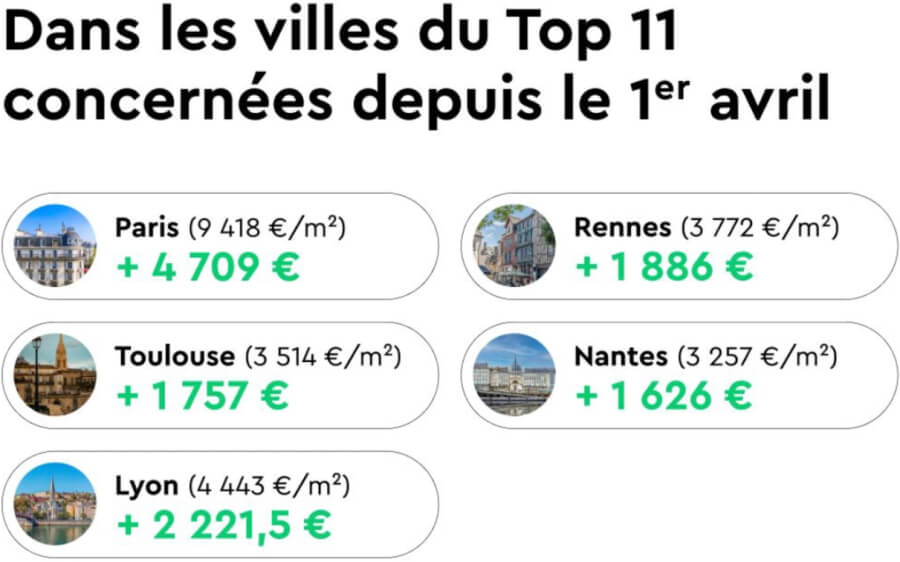
Not all buyers will be affected equally. The government preserved a key relief provision: anyone purchasing their first principal residence or anyone who has not owned a property for at least two years may continue to benefit from the 4.5 percent rate for the next three years, even if their local department adopts the higher rate. Many North American expats naturally fall into this category, which considerably softens the impact.
Consider a real example. A 500,000€ apartment in Nice previously incurred 22,500 euros in transfer taxes at a rate of 4.5 percent. If Alpes-Maritimes votes to adopt the new 5.0 percent ceiling, that same apartment will carry 25,000 euros in transfer taxes—a 2,500-euro increase without a single change to the property. On higher-value properties, the difference scales proportionately. For a 1.5 million euro apartment in Paris, the increase would be 7,500 euros. For qualified first-time buyers, however, the rate remains unchanged.
The reform does not affect new-build properties, which continue to benefit from reduced closing costs in the 2-3 percent range. Nor does it affect the modernized transparency requirements introduced in recent years, which clarified administrative expenses and ensured that Notaires list supplemental services in a standardized way. What changes here is simply the tax rate—a reminder that in France, the majority of the “frais de Notaire” is really tax, not notarial income.

For buyers preparing for 2025–2026 purchases, the solution is simple: stay informed. Ask your Notaire early in the process whether the department has voted, what rate applies on the date of your anticipated signature, and whether you qualify for the 4.5 percent exemption. A quick check can prevent unwelcome surprises and may influence the timing of your closing.

The beauty of the French system remains intact: legal certainty, public oversight, meticulous record-keeping, and a closing process that prioritizes the protection of buyers above all else. This reform is not a departure from that stability—only a reminder that even the steadiest systems occasionally adjust their arithmetic.
A bientôt,
 Adrian Leeds
The Adrian Leeds Group®
P.S. In addition to our property services, we also focus on living in France on a practial level—including changes in tax rates—based on our own experiences and the advice of a variety of those-in-the-know. Our website is the perfect place to begin your education into everyday life in France.

Let Us create a custom strategy for you
You can live or invest in France-now.
Property for sale


what's happening
Check out upcoming events, conferences, or webinars. Join us!
GET FINANCING
Learn about French Property Loan Information.

Read & Subscribe
Dive into more by reading the Adrian Leeds Nouvellettre®
Better yet, subscribe to both and get the updates delivered to your inbox.

Get started with your dream of owning property in Paris.
Join us on Youtube
Dive into more on how to live, invest & escape to France
Be sure to subscribe!
To read more, click the links below.