

Adrian Leeds Nouvellettre®
Your taste of life in France!
Subscribe and don't miss an issue!
Feasting on Easter in the Grand Est of France: Champagne and Lorraine
Because I am like a yo-yo going back and forth from Paris to Nice and back, there isn’t much opportunity to visit the rest of France, which is one of the only drawbacks to having both abodes. I really miss those days when we would take excursions outside of Paris to discover what I believe to be one of the most beautiful countries in the world. Easter weekend offered that opportunity to visit with my old friend, Janet Hulstrand, who I helped too many years ago to count, to purchase a chalet-style house in Champagne, where she and her not-yet-husband met picking grapes.
Janet visits with me often to get her Paris fix as living in the countryside has both its benefits and liabilities—while it’s beautiful and peaceful, it doesn’t quite offer the vivacity of Paris. This was an opportunity to visit with her in return and see the countryside I long for. Janet suggested I train in on Saturday to Vendeuvre-sur-Barse, a town just past Troyes. Then together we would drive in her car to Domrémy-la-Pucelle in the region of Lorraine, the birthplace of Joan of Arc with stops along the way. On Sunday we would visit Troyes, a historic city in the Grand Est region. It’s not far from her home town, Essoyes, the home of Impressionist painter Pierre-Auguste Renoir. Two days of total delight is what I imagined.
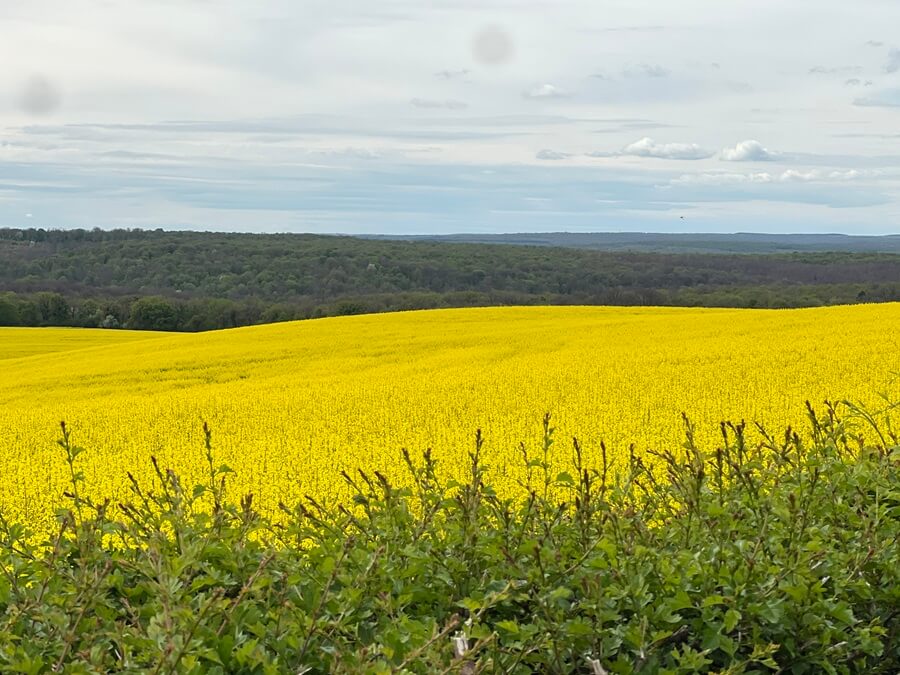
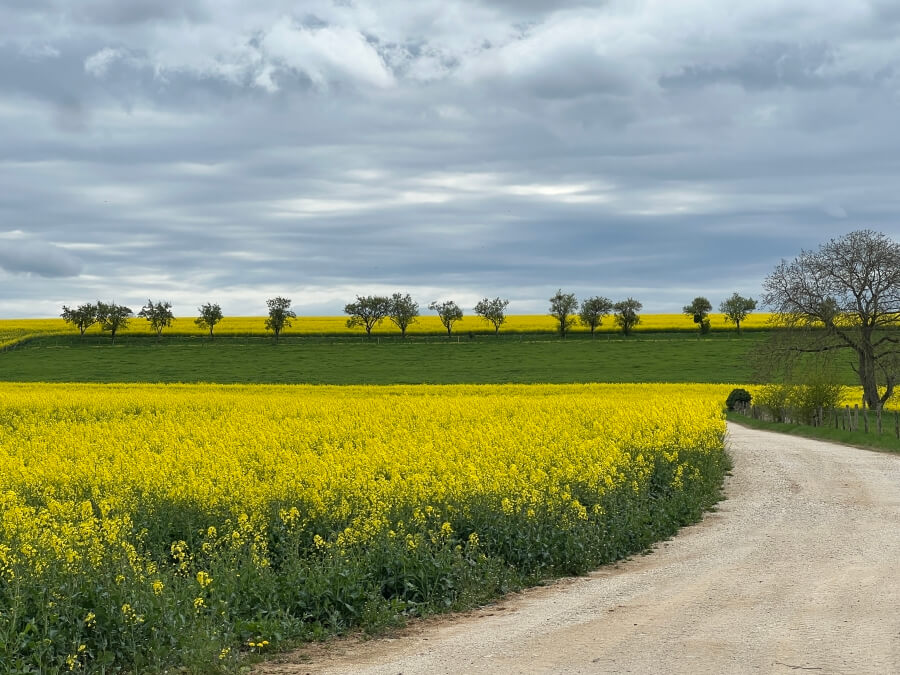
The trains heading east start at the Gare de l’Est—logically. With a Senior Discount card, first class is just a few euros more and well worth it. The seats are a bit more comfortable and are equipped with an electrical plug and WiFi, making it easy to do what I’m doing now—writing from the train while watching the countryside go by. Colza (rapeseed) is in full bloom right now so the countryside is a knock-your-eyes out bright yellow. One field is more beautiful than the next.
From Vendeuvre-sur-Barse, we headed east toward Domrémy-la-Pucelle along the tiniest of departmental roads that were barely wide enough for two cars, but with almost no one else on driving on them. We made a few wrong turns along the way, but corrected ourselves, easier by following the road signs than by following the GPS on Google Maps. The roads in France are not only impeccably clean and well taken care of, but the signage is quite superb. You can do well without GPS at all, as long as you know what towns are on route to your final destination.
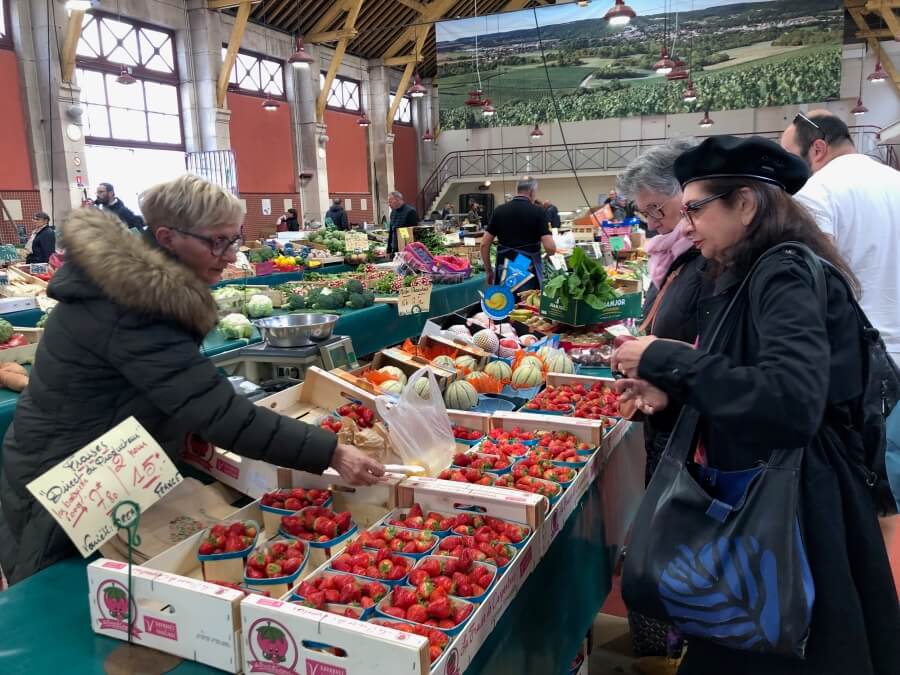
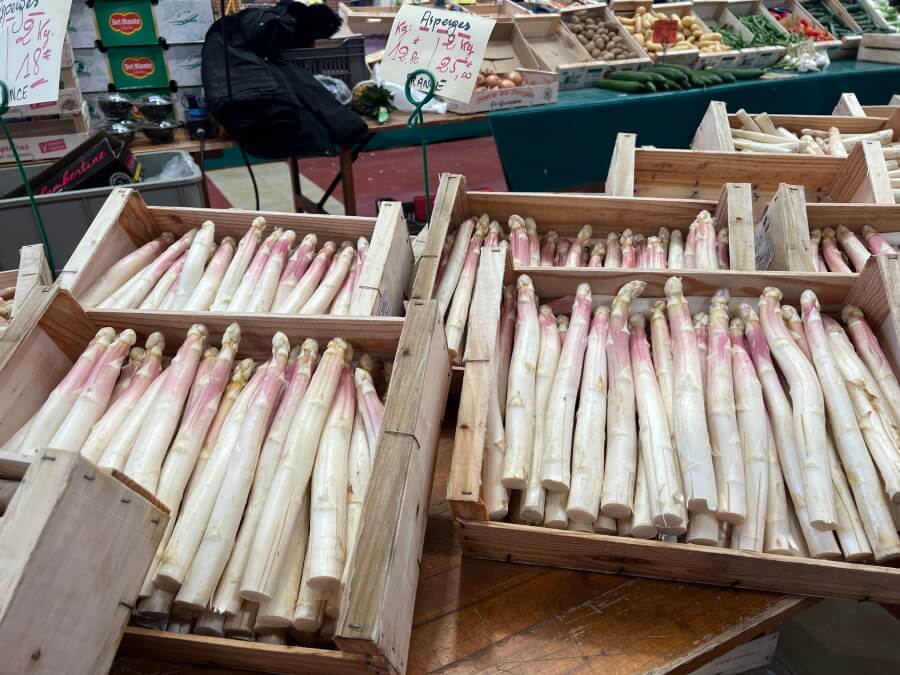
Bar-sur-Aube has a Saturday morning market that was our first stop. The fresh produce, meats, fish, cheeses, etc. are in the covered market building, while the clothing and tchotchke sellers are on the street just outside, all this in the middle of the town. White asparagus are in season and abundant, so we picked out a pretty 10 to make for dinner. A “barquette” of beautiful French-grown strawberries made the basket, as did a large roasted “poulet fermier” (free-range chicken). We were set for dinner for two nights.
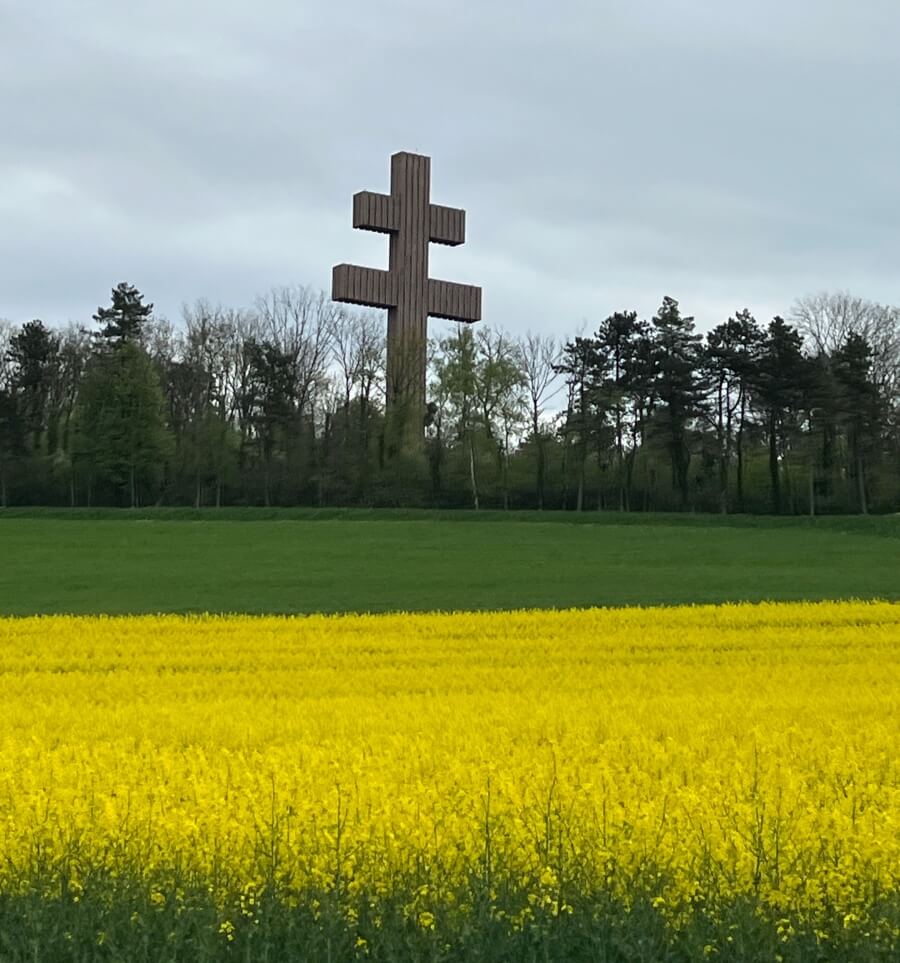
On route we headed toward Colombey-Les-Deux-Eglises where Charles de Gaulle lived and was buried, an opportunity to visit his memorial. The village is now a monumental legacy to the iconic French general and statesman who led Free France during World War II and later became the President of the French Republic. Only one church stands today in spite of the town’s name touting two! His house is now a museum, but we traded a visit there for a stroll through the cemetery where he lies in state alongside his wife Yvonne and daughter Anne. At the edge of the town stands a 44-meter-high “Cross of Lorraine,” the symbol of Free France, visible for miles around. With the colza fields at its feet, it was a pretty impressive sight just before entering the village.
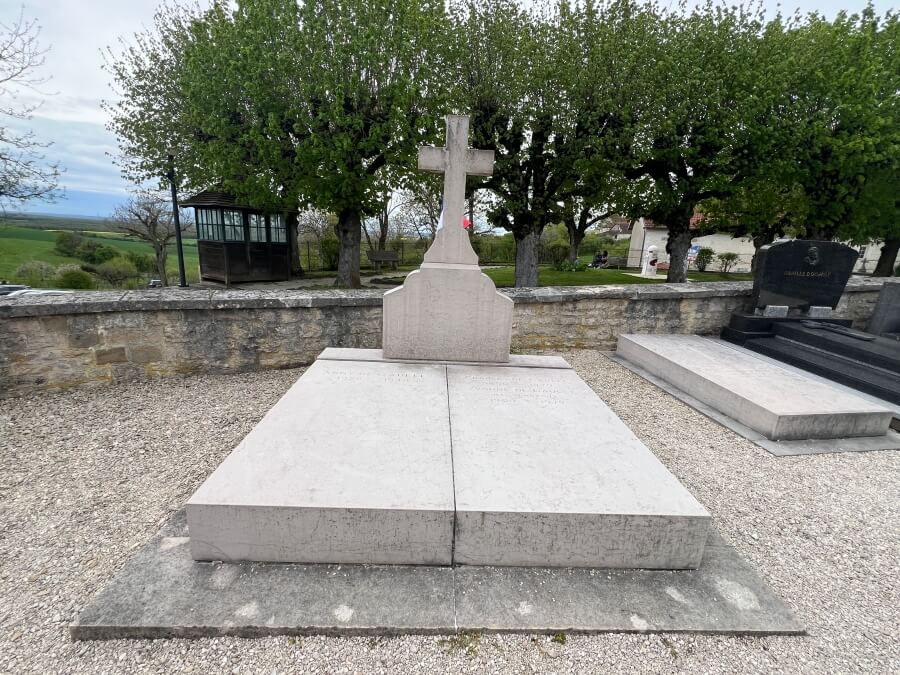
The grave of Charles de Gaulle
The town offers up a particularly good inn and restaurant, Logis Hôtel la Grange du Relais, clearly patronized by the local community. That was a big surprise as we just spotted a charming spot and quickly took a parking place. We ventured in just after noon when no one was there yet.
Within 15 minutes, a family of 20 were seated in one long row near us, tables put together for the occasion. We were in awe of how well so many family members could sit together without making much noise at all—they were so well behaved and spoke so quietly. An American family would have brought the house down! By the time we left, after having a very tasty and filling meal of regional specialties, the restaurant had filled all their rooms to the brim, about 100 people at the very least. It was just our good luck to have happened upon it by chance.
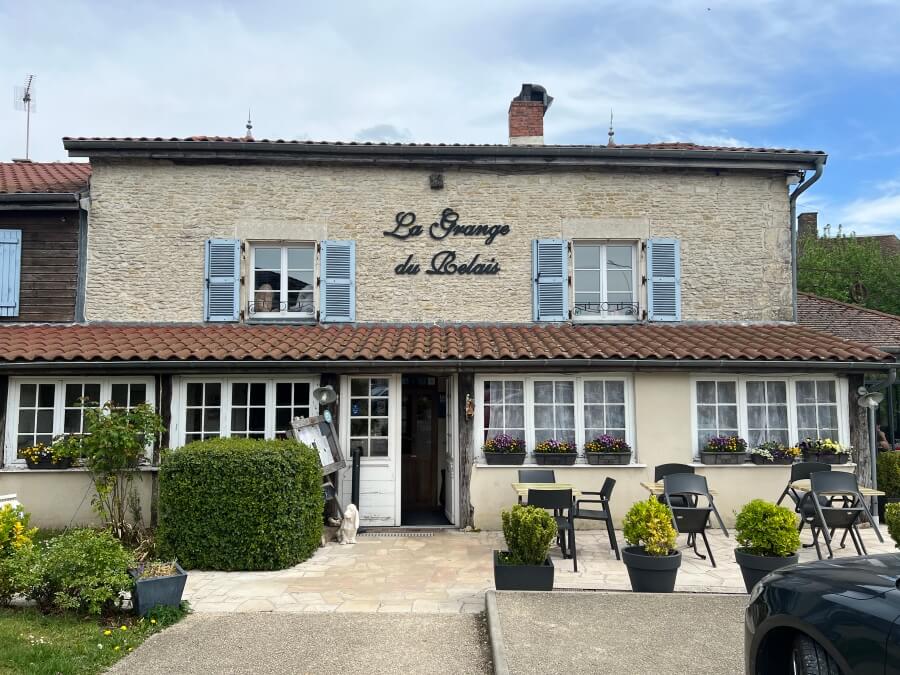
Logis Hôtel la Grange du Relais
The trek down the little roads toward Domrémy-la-Pucelle was exactly what I needed—the bright spring green on the trees was just as green as the colza was yellow. It could not have been a better time of year to take a road trip watching the landscape come alive with color, and the predicted rain for the day never came down.
Just before we arrived at Domrémy, on one of the tiniest of country roads, the Basilique Sainte-Jeanne d’Arc (also known as the Basilique du bois chenu), a neo-Romanesque basilica adorned with mosaics and paintings depicting Joan’s life, loomed on the hillside above the village. The door was open so we ventured in. Both the interior and exterior took our breaths away. It’s a rather hidden gem tucked into the countryside of the region, although Jeanne d’Arc fans must know it well.
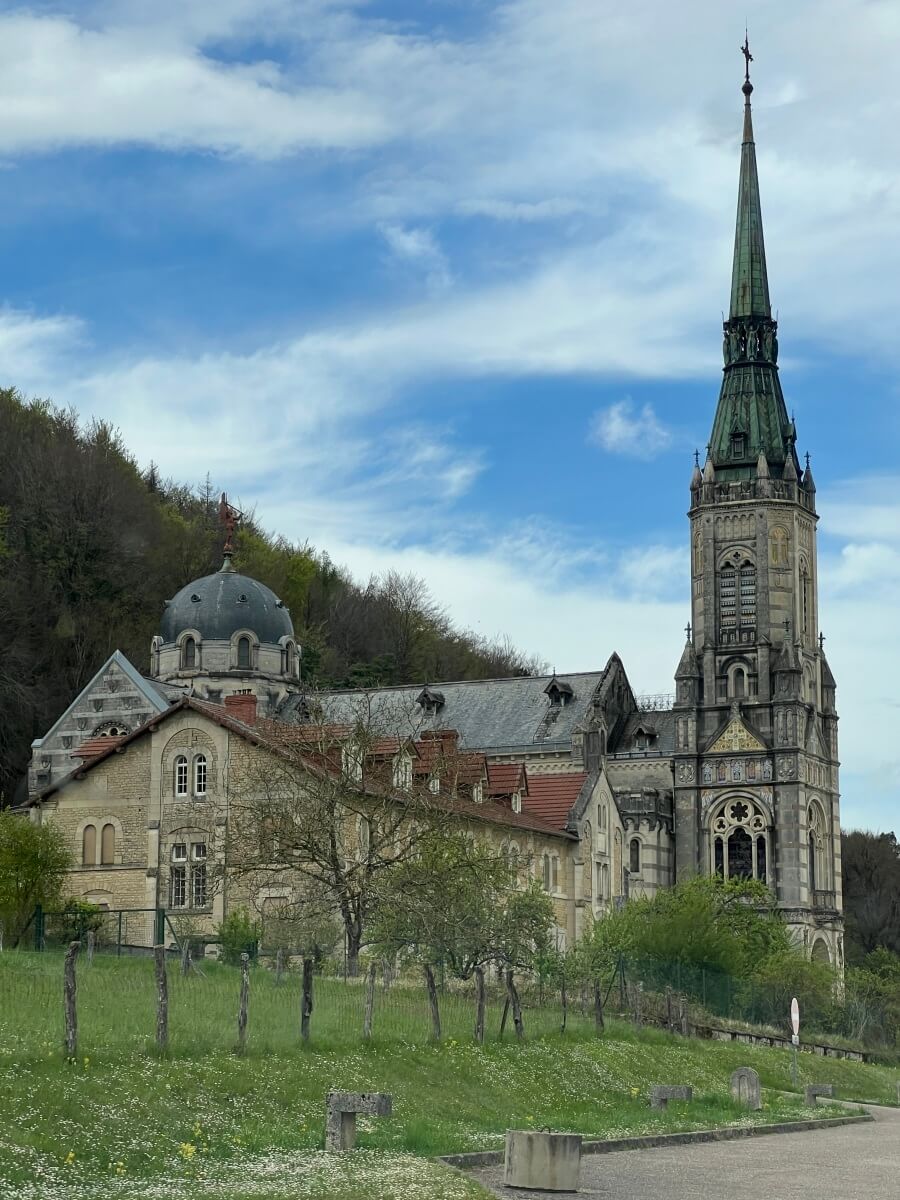
Janet has always been fascinated by this young woman who changed the course of France in such a dramatic and profound way. She was a 13-year-old French peasant girl who, claiming to be guided by divine visions, led French forces to key victories during the Hundred Years’ War and became a national heroine (c. 1412–1431). Can you imagine? A woman of that epoch, of that age, so courageous that she ended the 100 years war with her guts and stamina? There was a lot to learn about her.
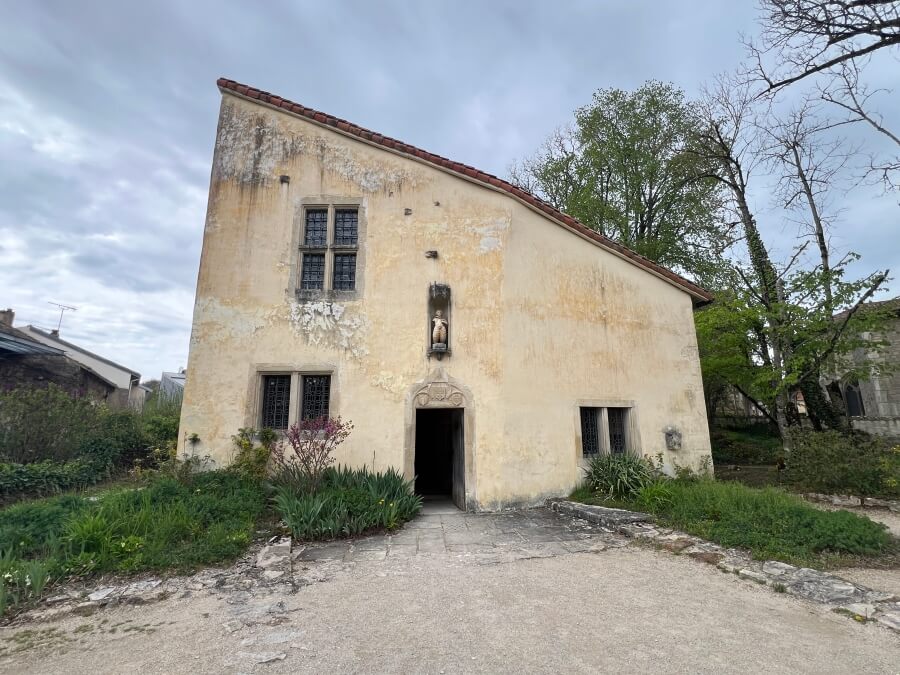
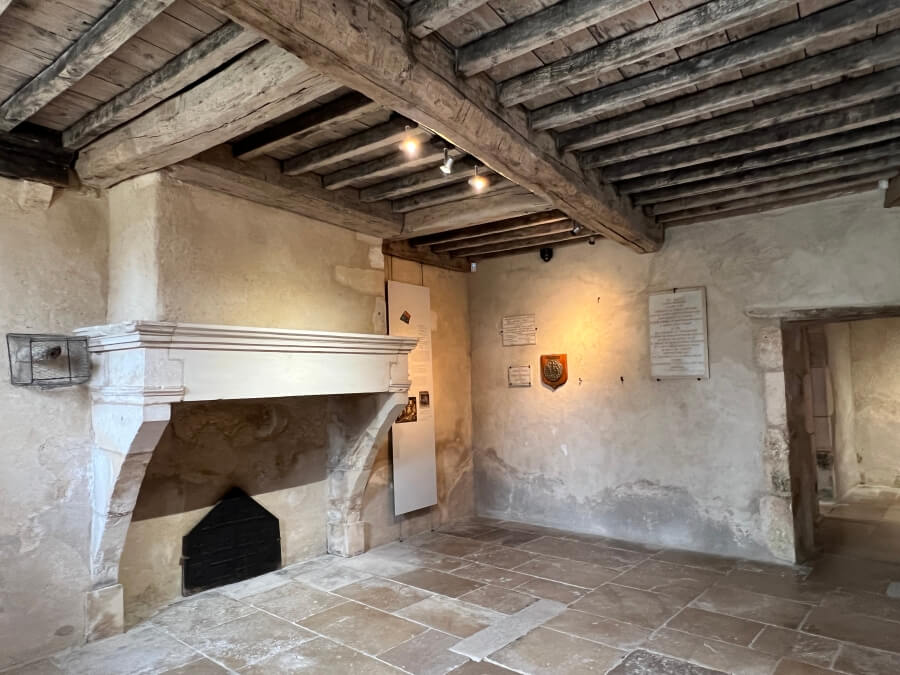
Further on in the town, is the house in which she was raised with a museum chronicling her life, achievements, and demise, the Maison Natale de Jeanne d’Arc. The fact that the house is still standing is already quite an accomplishment, as is the Chapelle de Bermont next door where she prayed and the garden in which she first saw her “visions.” The museum was less than impressive to me personally, but it seemed their goal was to understand who she really was and why she was such a powerful person. No doubt, she is one of the world’s enigmas and remains one of the most revered figures in French history—a martyr, saint, military leader, and feminist icon—and is the patron saint of France.
The day was long, but fulfilled. We arrived in time for dinner, to reheat the roast chicken, bake the asparagus till tender, fill a bowl with strawberries and after dinner to settle in to watch a brief video about Jeanne d’Arc to top off the day devoted to her and to another French powerhouse, Charles de Gaulle. Janet’s house sits in the middle of a large piece of property, on the edge of farm fields, and the only thing you can hear is the occasional creaking of the wood-frame house.
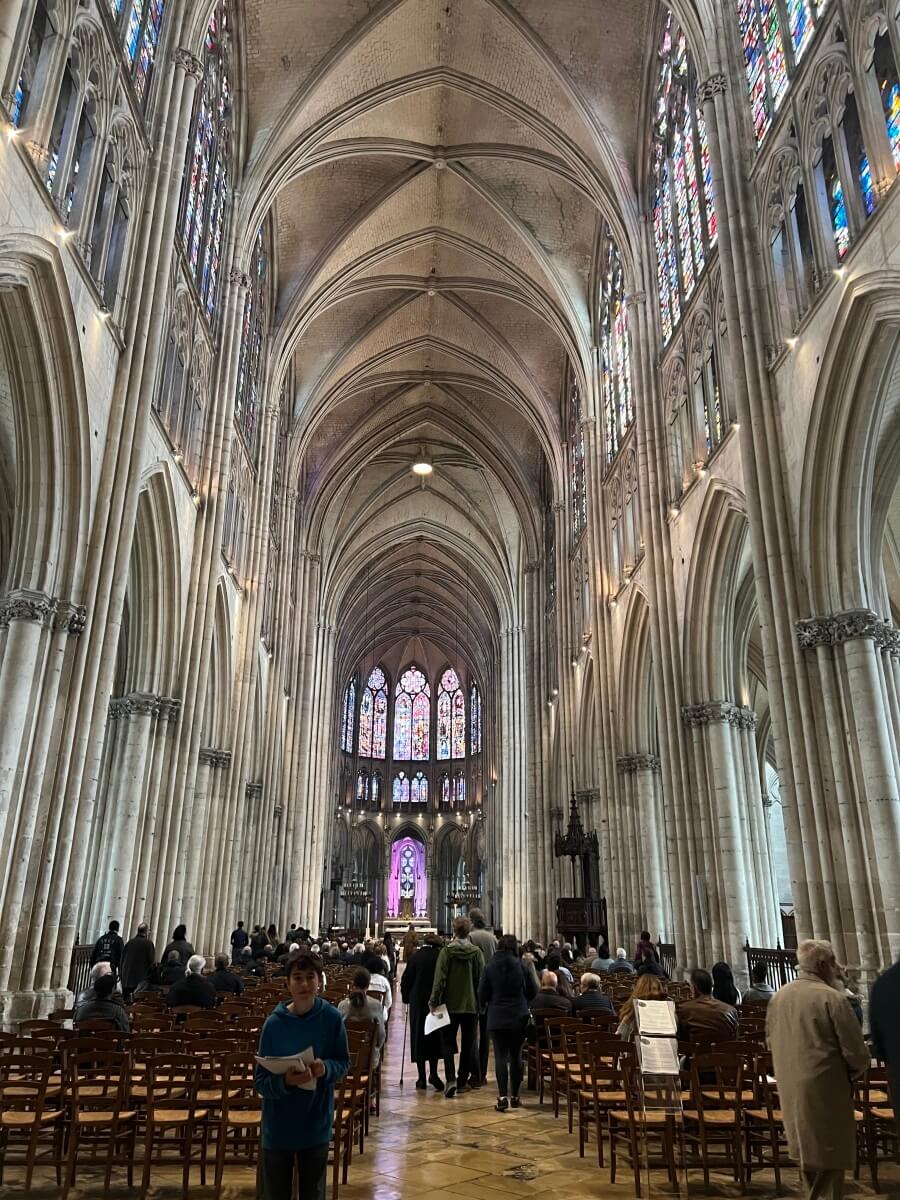
Easter Sunday our first stop was the Cathédrale Saint-Pierre-et-Saint-Paul in Troyes for Easter Mass, just about one hour’s drive from Essoyes. The chairs filled up quickly in time for the 10:30 a.m. service and the procession down the center started on time. The cathedral is renowned for its breathtaking stained glass—over 1,500 square meters of painted glasswork.
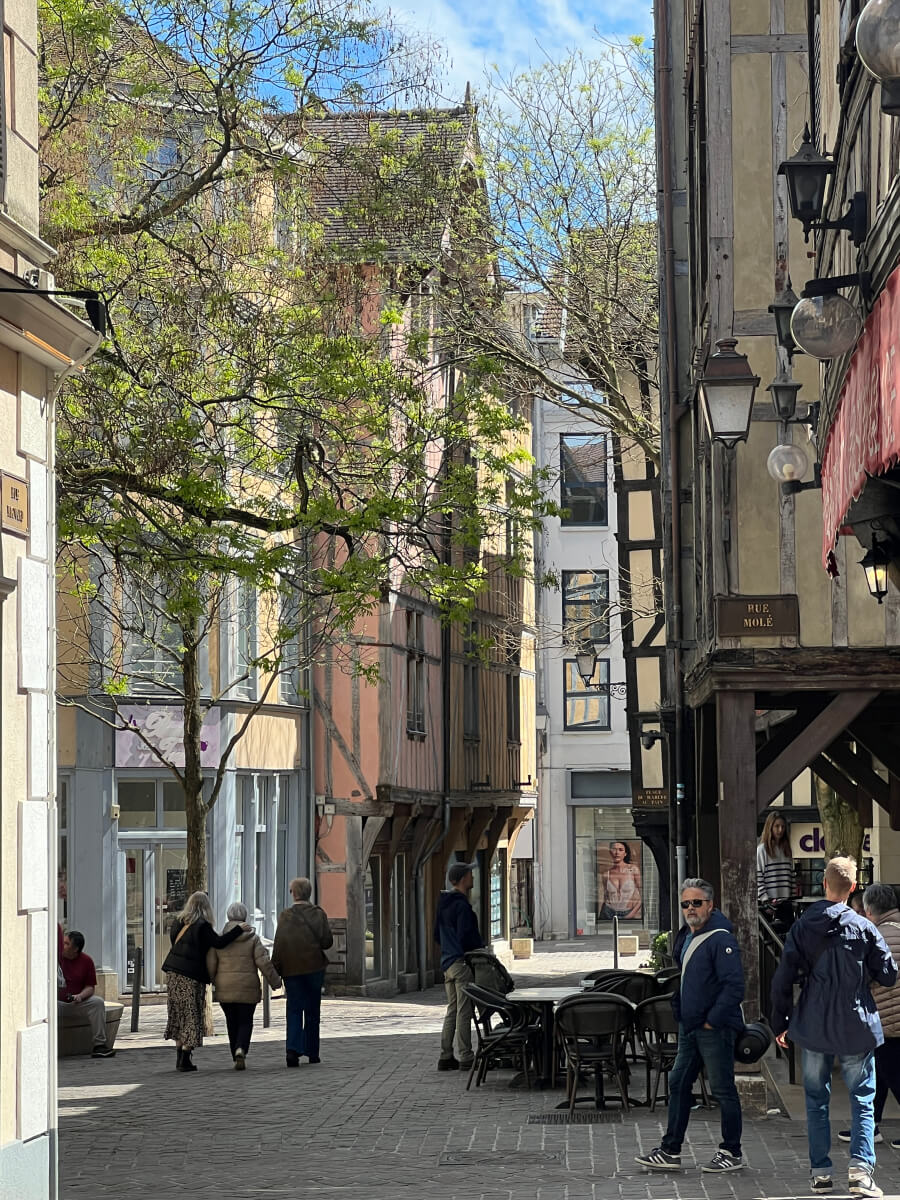
You might think it odd that I’d attend mass, considering that I’m Jewish, and Janet isn’t Catholic either, but it was a perfect way of experiencing Troyes on the holiday. Troyes doesn’t get the accolades it deserves as one of France’s most charming, beautiful and cultural cities.
It’s a medieval gem in the heart of Champagne and the capital of the Aube department, with a small population of a bit more than 60,000. Once a key center of medieval trade and textiles, it is now celebrated for its beautifully preserved medieval architecture (half-timbered houses), rich cultural heritage, and vibrant arts scene…although most Parisians don’t give it a second thought…sadly. The city’s heart is filled with colorful half-timbered houses, narrow cobbled streets, and Renaissance mansions—many dating back to the 16th century. It’s teeming with Gothic Churches (10 historic churches) and their stained glass windows are some of the finest in the world.
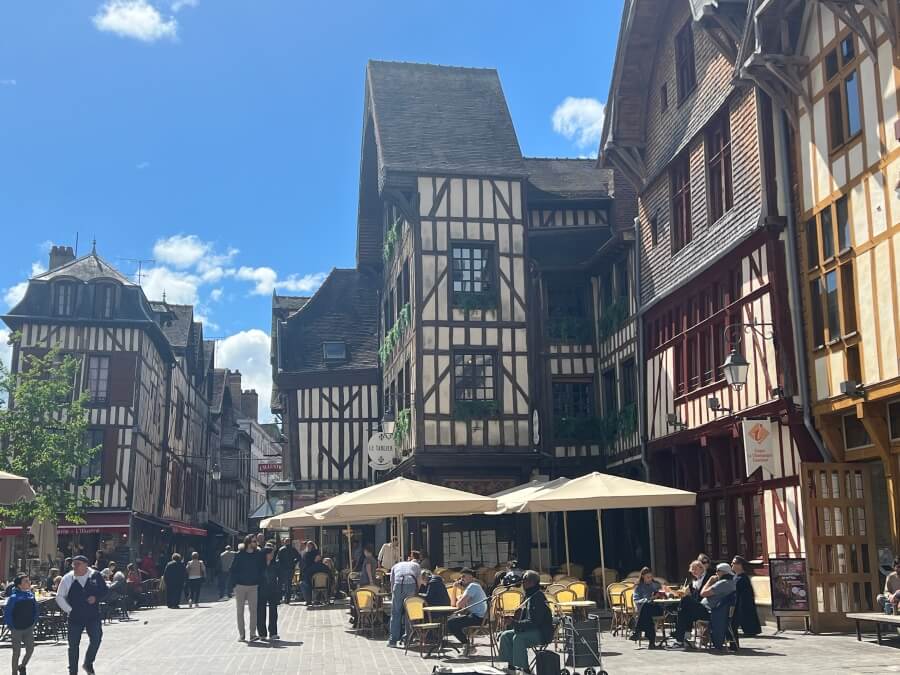
I’d been to Troyes a few times before, but every time there seems to be something new to discover. There’s a beautiful indoor market in the center of town in which we ventured. An artisanal chocolatier, Maison Caffet, looked too good to pass up. When I asked if I could buy just four bon bons, the salesperson simply offered them all to us free…it was Easter, nonetheless! I argued with her to take my money, but she refused. Now, do you think that would have happened in the U.S.? I don’t think so. “C’est la France!”
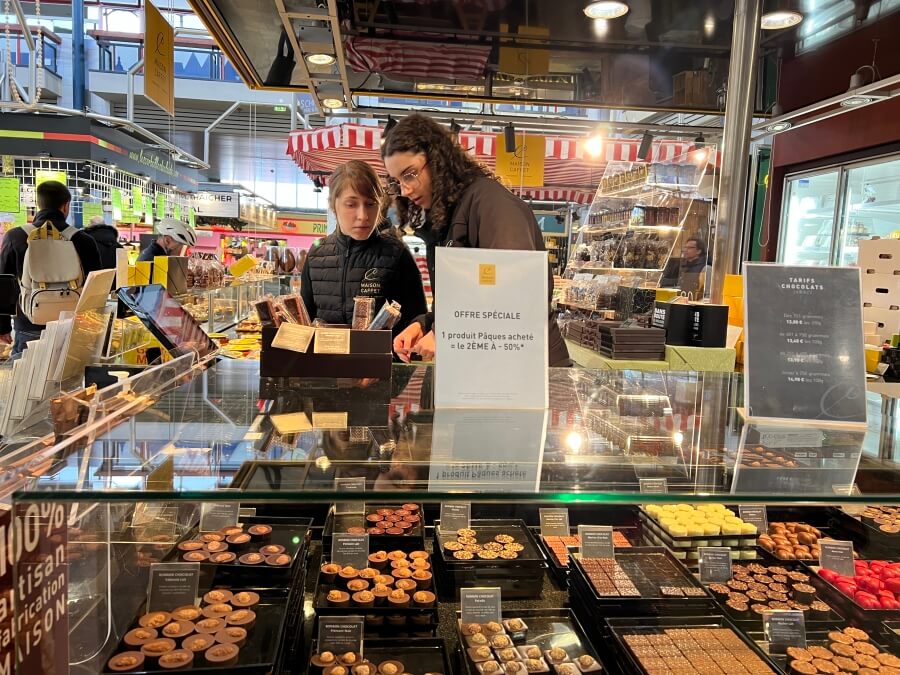
We saved them for dessert after lunch at Le Café de la Paix and loved every drop. Café de la Paix—La Table du Marché, is a 1930s-style brasserie situated directly across from the city’s central market. Well-known for its traditional cuisine, offering specialties such as mussels, sole, fried potatoes, homemade tripe, and terrines, it was the perfect lunch spot where we could have a three-course fixed-price menu with a Coupe de Champagne for just 28€.
Before lunch we visited the Cité du Vitrail, a cultural center dedicated to the art of stained glass. Opened in December 2022, it’s an immersive experience into nearly 1,000 years of stained glass history, from the 12th to the 21st century.
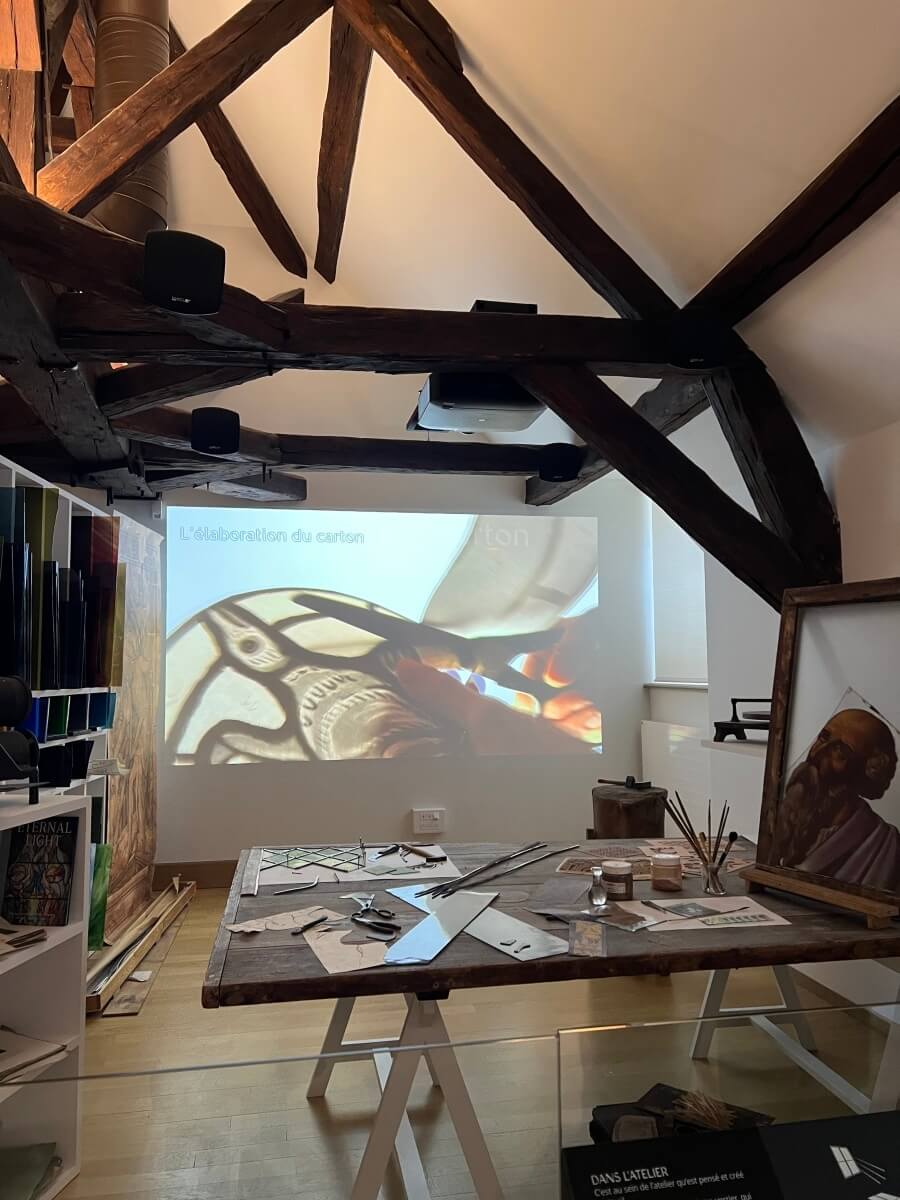
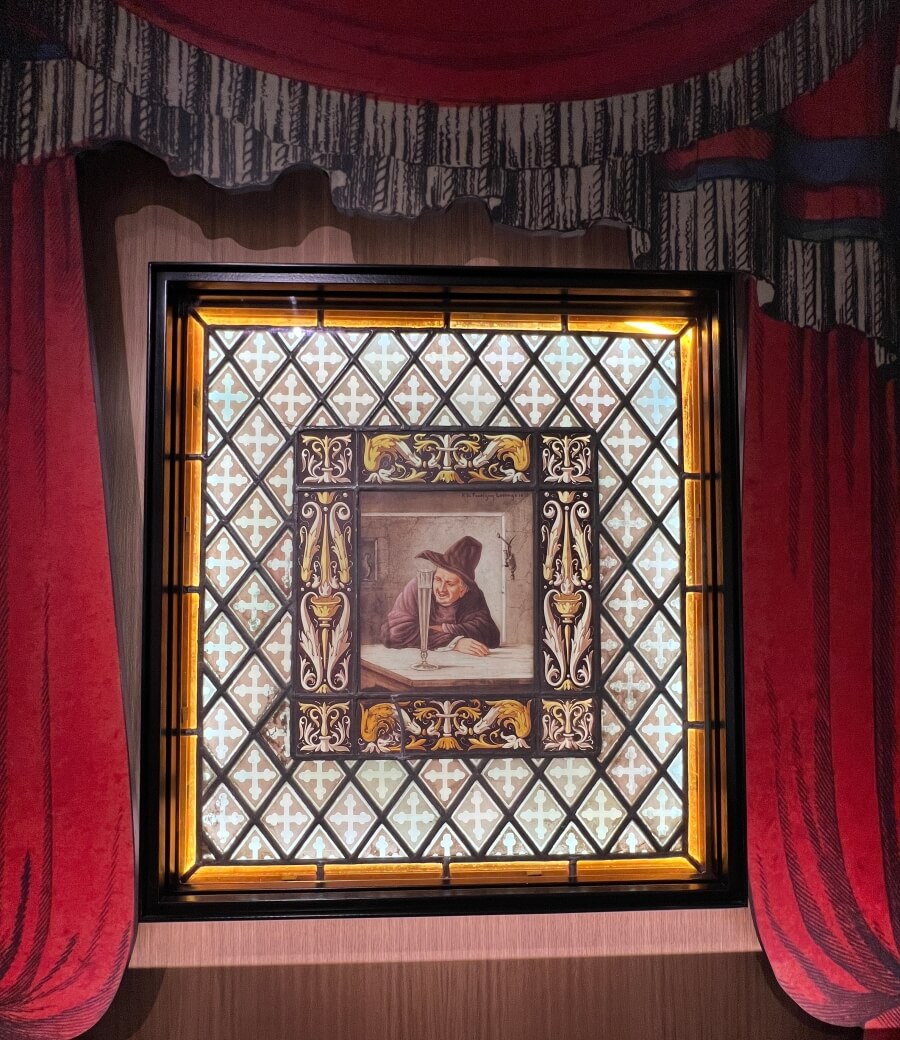
Housed within the restored Hôtel-Dieu-le-Comte, the museum features a reproduction of an apothecary of centuries past, plus a permanent exhibition showcasing stained-glass windows of both ancient and contemporary masterpieces, functions, and styles. The displays are accessible and engaging, allowing us to appreciate the intricate details of the artworks up close. Maps posted in the museum attest to the “Stained Glass Route,” an heritage in the Aube region, which boasts of approximately 350 religious and civic buildings adorned with stained glass. A highlight of the museum is the restored chapel featuring a modern stained-glass window by artist Fabienne Verdier, blending historical architecture with contemporary art.
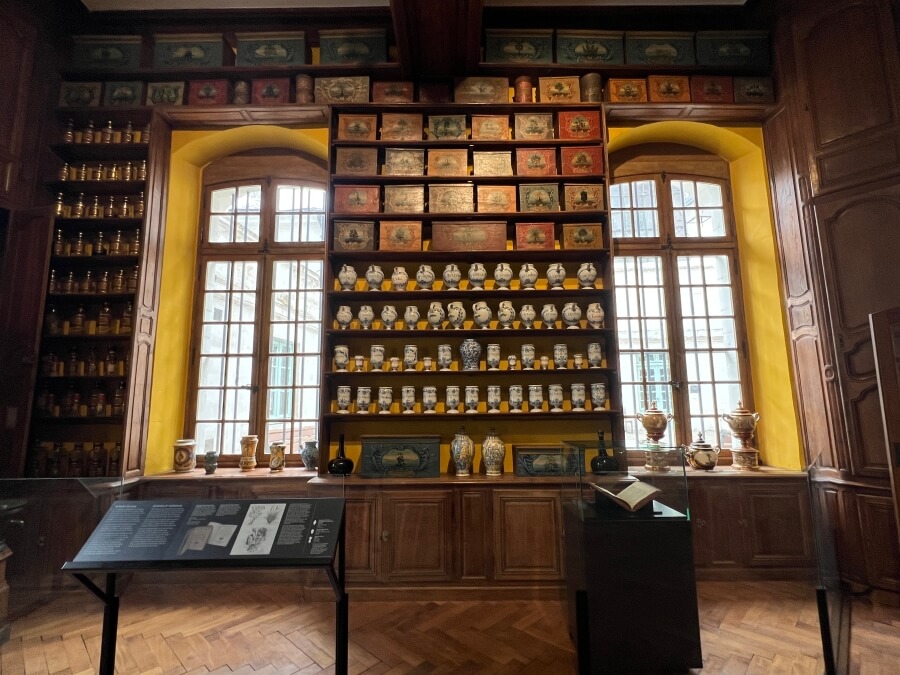
The apothecary
Before heading back to Essoyes, we took another museum tour…to the Maison de l’Outil et de la Pensée Ouvrière (MOPO) (a museum dedicated to traditional tools and crafts).
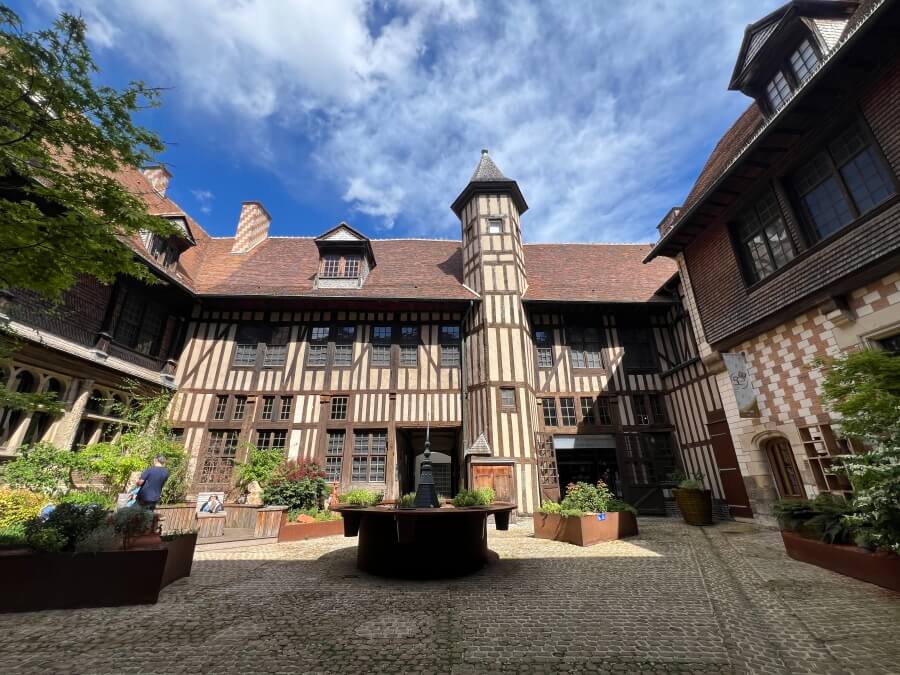
Who would have imagined? I couldn’t have. It is one of its kind—a museum that celebrates the craftsmanship and intellectual heritage of manual trades. Founded by Jesuit priest Paul Feller, the museum is housed in the 16th-century Hôtel de Mauroy, a beautiful half-timbered house surrounding a beautiful courtyard. Room after room that circle the square showcases over 12,000 hand tools from the 17th to 19th centuries, displayed in 65 thematic cases magnificently, highlighting trades such as woodworking, metalworking, and leathercraft. It will amaze you and astound you, not only for the depth of the collection, but the esthetic brilliance in which the tools are displayed.
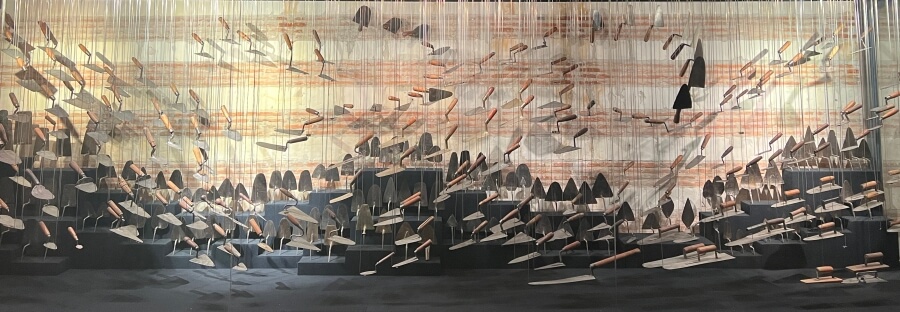
Ornate display of trowels
All in all, the weekend in La France Profonde, was profound indeed and every bit as cultural as any weekend in Paris, plus insanely beautiful. The region is stunningly serene, with its rolling hills of vineyards, colza and other crops, punctuated by charming old village made up of half-timbered and stone houses and cottages. Large farming compounds and “vignobles” abound. It was completely relaxing, yet highly educational and inspiring. It was the perfect way to spend a holiday weekend…with an old friend in her “neck of the woods” absorbing a whole new history lesson…in the center of France.
If you have never been to Troyes and the towns that surround it, put this on your list of must-dos.
WHY FRACTIONAL OWNERSHIP
Last Thursday Joey Byrne, Head of Europe Pacaso, and I bantered on a Zoom webinar to answer the question, “Why Fractional Ownership?”

Fractional Ownership is an ownership plan I have worked with since 2008, having developed a number of properties in Paris and the South of France. Recently we partnered with Pacaso, an international developer which develops and markets properties of the highest quality, and offers “Global Swapping” among all its properties worldwide. That’s a big plus!
During the Q&A, a few relative questions were asked that might also interest you:
Q: Does fractional ownership allow for establishing French residency?
A: No. The ownership of property has nothing to do with French residency. To establish French residency, one must apply for a visa—simple as that.
Q: How do we know that the homes have been well taken care of and have proper upkeep, such as technicians looking over HVAC and electricity and appliances?
A: Seek properties that have professional management. Professional management ensures proper upkeep. All of Pacaso’s properties do. The properties we developed all started out with our professional management. One or two opted to save money by managing it themselves. This doesn’t mean they don’t do a good job—but if for some reason the owners aren’t happy with that system, they can always return to us, or another professional management company. The owners can make this decision themselves. It works just like any other homeowner association.
Q; How do heirs handle Fractional ownership properties if French Inheritance law has jurisdiction?
A: French inheritance law does not have jurisdiction. Shares are held in a U.S. corporation, which in-turn owns the French property, and therefore the legal structure is based in the United States.
We recorded the one-hour session, so even if you couldn’t be on it live, you can now watch it on our YouTube channel to answer all your questions about Fractional Ownership and virtually visit a few properties with shares on the market today!
GET READY FOR AT FRENCHIES
I will be speaking about the cross cultural divide between France and the USA…and answering questions at AT Frenchies Club via Zoom on Saturday, April 26th! There will have a lot of interesting questions and possibly some strongly held opinions! The cultural divide is one of my favorite topics. It’s sure to be informative and full of laughs.
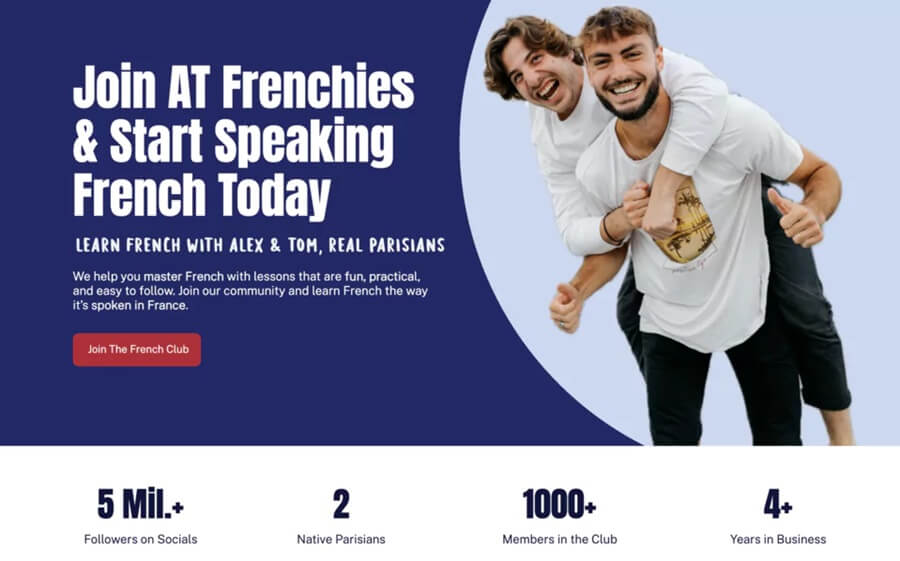
During the chat, you’ll be able to join the private members of the AT Frenchies Club for a lively French/English Q&A. The discussion will be moderated by GiGi of AT Frenchies and later the group will be joined by Tom and Alex, the founders.
AT Frenchies posted a story about our talk on Instagram (they have 1.7 M followers!).

Mark the date in your calendar now. It’s FREE for our readers!
Saturday, April 26th
5 p.m. France CET/CEST/8 a.m. PST/PDT/10 a.m. CST/11 a.m. EST/EDT
On the scheduled date and time, you’ll use this link to join the Zoom discussion. Please log in five minutes beforehand, we’ll be there to welcome you. (Please DO NOT try to join before the scheduled date/time.)
For more information, visit our event listing.
A la prochaine…
 Adrian Leeds
The Adrian Leeds Group®
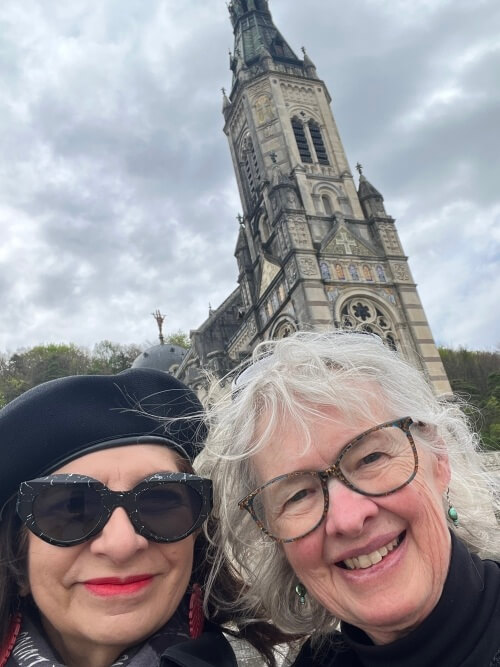
With Janet Hulstrand at the Basilique Jean d’Arc
P.S. We host or speak at a number of events each year. To see what we’re up to next, please visit the Events page on our website.
1 Comment
Leave a Comment
Let Us create a custom strategy for you
You can live or invest in France-now.
Join us at our monthly Après-Midi.
Become a part of the Paris community.
Property for sale
Read & Subscribe
Dive into more by reading the French Property Insider
Better yet, subscribe to both and get the updates delivered to your inbox.
Global Money Services
Our contacts will help you invest in France.


See Adrian on HHI

Join us on Youtube
Dive into more on how to live, invest & escape to France
Be sure to subscribe!
To read more, click the links below.
Enjoyed your Easter trip. I have been to a number of those places in Troyes,
and environs, but it was a long time ago. I enjoy all your comments….keep’em
copming.
Carol C. in Los Angeles