

Adrian Leeds Nouvellettre®
Your taste of life in France!
Subscribe and don't miss an issue!
Getting a Mortgage in France

Getting a French mortgage is no easy task, but not impossible…under the right circumstances.
First off, there are very few brokers willing to tackle the foreign buyer market and very few banks willing to lend to foreigners, particularly Americans. This is thanks to America’s Foreign Account Tax Compliance Act (FATCA).
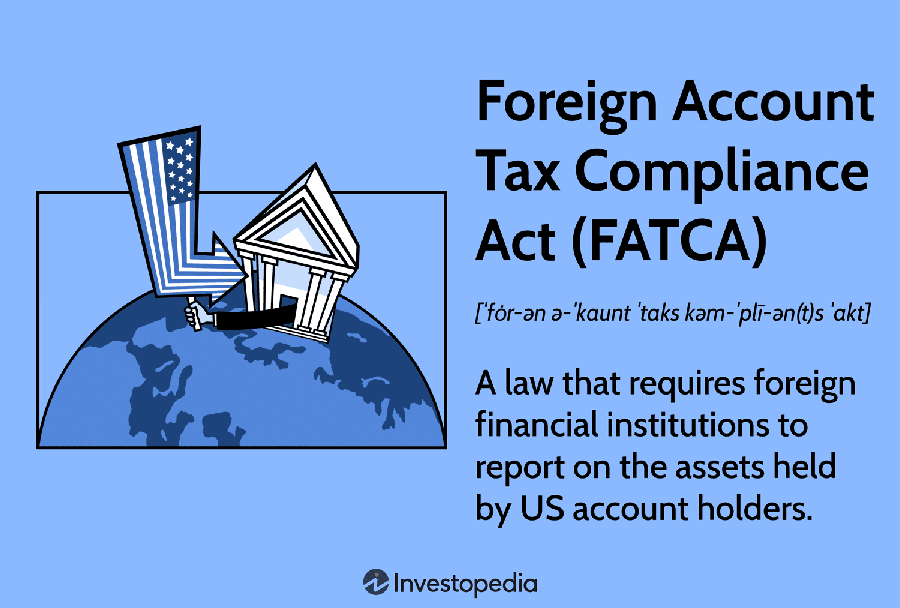
“The Foreign Account Tax Compliance Act (FATCA), which was passed as part of the HIRE Act, generally requires that foreign financial Institutions and certain other non-financial foreign entities report on the foreign assets held by their U.S. account holders or be subject to withholding on withholdable payments. The HIRE Act also contained legislation requiring U.S. persons to report, depending on the value, their foreign financial accounts and foreign assets.”
As a result of the requirements placed on banking and financial institutions worldwide by the U.S. government, they simply don’t want to do business with us. It costs them way too much time, effort and money to be worth it and it’s a big reason it’s so hard to get a bank account in France…for Americans…and mortgages, too.
That being said, it’s not impossible! If you’re young (60 years old and younger) and if you are salaried (not self-employed), then you have a good shot at it. This means you may not want to quit your job too soon before you move to France…and make the purchase first, with a mortgage. Once you get the mortgage, do whatever you like…as long as you make your monthly mortgage payments, the bank won’t care if you’re working or not. (And please don’t tell your broker that you’re going to quit your job! You don’t want the lenders to see you as a bad risk, do you?)
When you’re visiting properties, it will be important for our agent to know if you need the mortgage or not to purchase a property. It’s best if you have a “decision in principle” from a lender before you set out to visit properties so that the seller will be more comfortable with a loan contingency on the purchase. Buyers without a loan contingency carry more clout, naturally. If you can pay cash, then you can make a cash offer, but that doesn’t preclude you from taking a mortgage…which is the smartest way to buy the property, from a financial viewpoint.
Here’s how getting a mortgage works:
Typically 20–30% of the property value is required as a down payment for non-EU residents. We call that a 70% to 80% “Loan to Value.” Some banks may ask for up to 40%, especially if you’re not earning in euros.
French banks are conservative—a whole lot more than American banks—and don’t take on big risks. It’s a big reason Europe didn’t experience the same level of a financial crash in 2008! They will usually only approve loans if total debt repayments (including a mortgage) are less than 33% of your gross monthly income. It’s called a Debt-to-Income Ratio (DTI), used to assess a borrower’s ability to repay a loan. By definition, it measures total monthly debt payments as a percentage of gross monthly income.
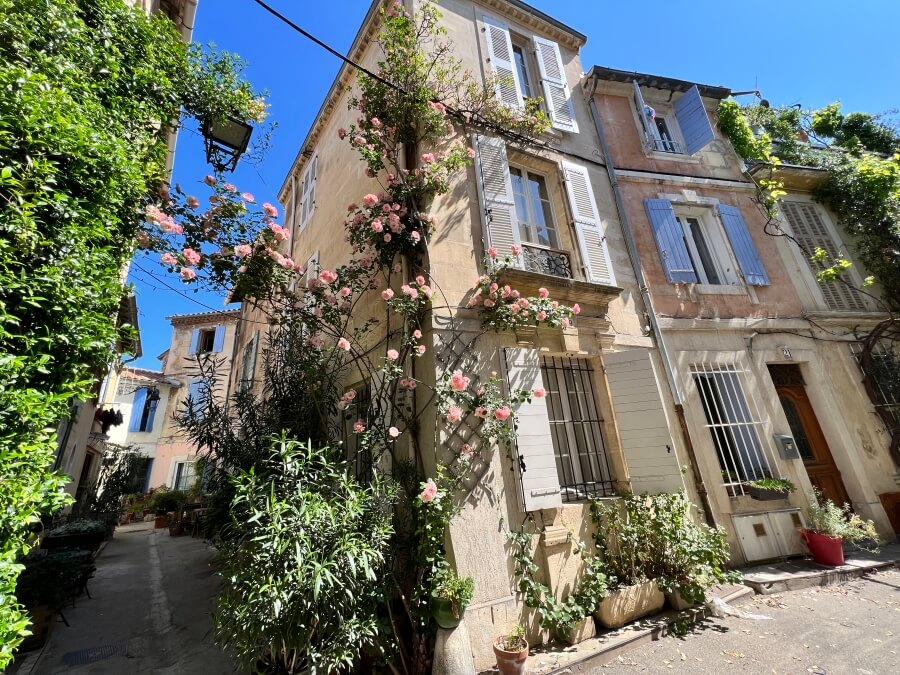
A charming townhouse in Provence
To apply for a loan, you’ll need to show:
• Tax returns (last 2–3 years)
• Recent bank statements (3–6 months)
• Recent pay slips or proof of other income
• Employment verification or pension documents if retired
Loans are usually structured to be repaid by age 75–80. The reason for this is because there is a required life insurance policy designed to pay off the mortgage in the event of death—the premiums become much more expensive as we age. So, at 60, the term of the loan may be limited to 15 years. The policy can be through the bank or an external insurer (some accept U.S. policies, but not always).
Some banks may only offer loans if you earn in euros or other approved currencies (USD is often acceptable, but not always). This is due to EU mortgage credit directives regarding exchange rate risks.
The lender will require the monthly payments to come out of a French bank account, preferably the lending bank’s. This is one reason we advise allowing the lender to open the account for you, or never transferring the funds to make the purchase into another bank’s account. We had one client who opened an account with our partner bank, then transferred the money to purchase her property into that account. The lender took one look at that and denied her, based on that one fact alone! (It’s always best to transfer the money for a purchase directly to the Notaire’s escrow account using one of our preferred brokers.)

Often, the bank will conduct or commission a valuation (expertise) of the property before final loan approval. In Paris, the value of real estate is easily ascertained, so it’s not a given that an appraisal will be ordered up. In other parts of France, it’s more likely.
Prepare your legal documents to present to the lender:
• Legal Documentation
• Passport
• Proof of address (utility bill, etc.)
• Marriage certificate if applicable
• Social Security number and possibly IRS documentation
Fixed-rate mortgages are common and popular. Interest-only loans are possible. When rates are high, variable mortgages can be possible, too. And what’s interesting is that rather than the monthly payments changing, the payment is fixed, but the term changes depending on the fluctuation of the rate!
Terms usually range from 15–25 years. Twenty-five years is rare, however.
Interest rates (as of 2025) are about 3 to 4.5% for non-residents, depending on the financial profile and loan type.
Notaire fees (including registration taxes) are about 7–8% of the purchase price for existing properties and when a loan is a part of the purchase, add about 1 to 1.5% for bank and administrative fees.
Our preferred broker, Simon Conn, advised us that they have several French banks and a few offshore banks with the appetite to lend to U.S. clients. This is very good news!

Lending solutions are available across France to include the main cities, the Côte d’Azur, premium ski resorts, Provence, and the Atlantic coast.
Loans are possible from 250,000€ (minimum purchase price 400,000€) and subject to a maximum 75% loan-to-value.
Private lending options are available on properties being purchased for 2€ million plus.
Simon can consider employed, self-employed, retired applicants and applicants deriving income from investments (property and liquid financial investments). This is also great news!
Loans can be secured against listed financial assets (stocks, bonds funds etc.). Refinancing an existing loan in France is possible—on a case by case basis. (I took four “equity release” loans back in the day…this is how I managed to buy so many properties!) And there are options to alternatively raise all the funds required for the French property against a U.S. property.
Please note an important caveat…all of the above are subject to a client’s overall personal profile and property valuation!
Note: Simon Conn, Overseas Property & Finance Specialist, is our partner broker. He is an Introducer Appointed Representative of Seico Insurance & Mortgages Limited which is authorized and regulated by the Financial Conduct Authority under number 300024 in respect of UK mortgage, insurance and consumer credit related activities only.

To contact Simon Conn, visit our website. Be sure to tell Simon that we sent you!
A la prochaine…
 Adrian Leeds
The Adrian Leeds Group®
 P.S. Just because you weren’t one of the 70+ people to attend Après Midi yesterday, you don’t have to miss it! Tune in to the report with the photos on our website.
P.P.S. We were among the first expat real estate agencies to provide services for North Americans seeking to move to France or invest in French property. We have years of experience as well as relationships with top industry experts to help you with everything related to French property. Please visit our Services page for the full range of assistance we’re able to provide.
2 Comments
Leave a Comment

Let Us create a custom strategy for you
You can live or invest in France-now.

Join us at our monthly Après-Midi.
Become a part of the Paris community.
Property for sale
Read & Subscribe
Dive into more by reading the French Property Insider
Better yet, subscribe to both and get the updates delivered to your inbox.
Global Money Services
Our contacts will help you invest in France.


See Adrian on HHI

Join us on Youtube
Dive into more on how to live, invest & escape to France
Be sure to subscribe!
To read more, click the links below.
This is great information! I have set up an appointment to open a bank account in October (Credit Agricole in Bordeaux) just to establish ourselves with a bank and deposit Euros there. We took your advise and bought Euros through MoneyCorp (thanks for that tip as well!) just as the dollar was losing value. Question for you – if we purchase a property that has a gite for rental potential, does that violate our “long term stay visa”? Does renting a gite count as working in France or can we have a small B&B for side income without risking our visa?
Thank you for all you do!
For Visa questions, we recommend reaching out to Daniel Tostado. You can find his contact details on our website.