Adrian Leeds Nouvellettre®
Your taste of life in France!
Subscribe and don't miss an issue!
Money Makes the World Go Round…Not!
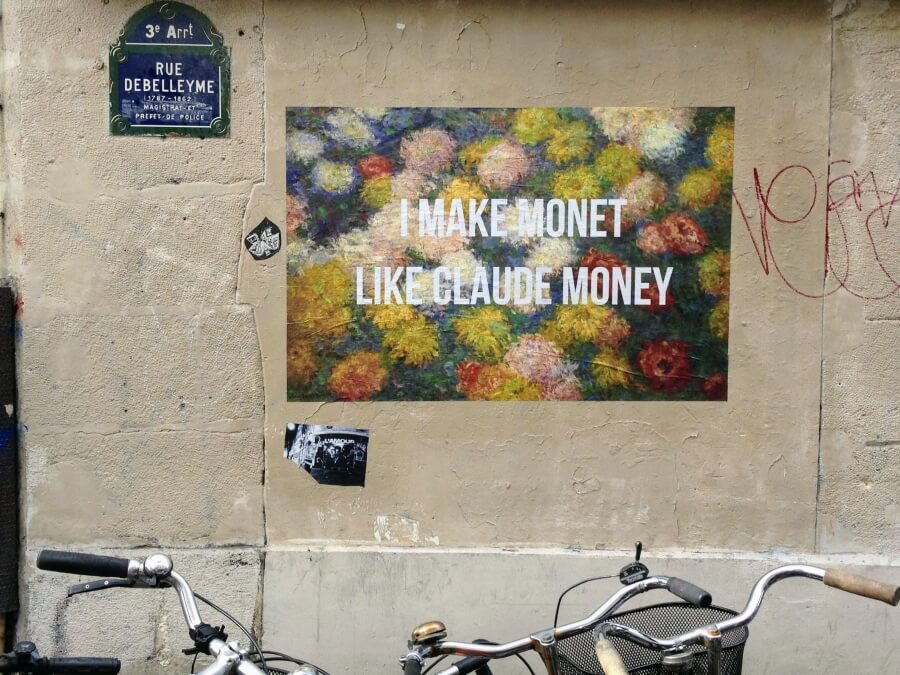
“Money makes the world go round.” Not really.
“The Earth’s rotation is primarily a result of the conservation of angular momentum from the planet’s formation. Approximately 4.5 billion years ago, as the solar system coalesced from a rotating cloud of gas and dust, the Earth inherited this rotational motion. This initial spin has been largely preserved due to the vacuum of space offering minimal friction to slow it down.”
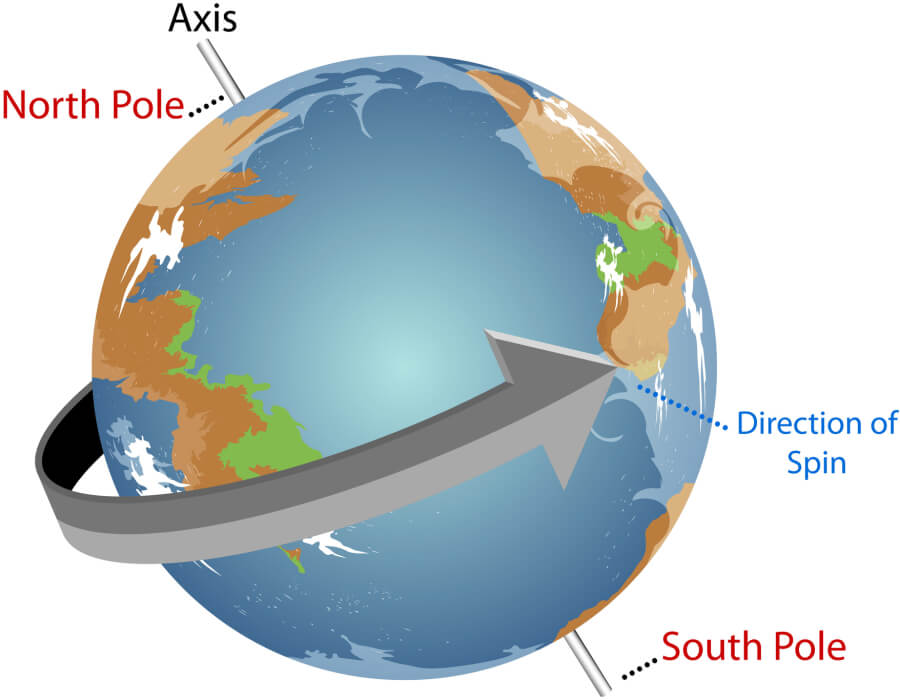
The earth’s rotation has nothing to do with money. And that’s how the French might answer that question, while an American might understand the expression to mean that money is very important; that it’s the most important or one of the most essential things in life; that a lot of events couldn’t happen without it and that money solves lots of (or all) problems.
One of the things I’ve appreciated so much about living in France is how unimportant money, especially is if your goal is to have a “rich” life. Having a rich life in France is not about being “rich.”
It’s true that if you have money, you can have a larger home, a fancier car, jewels and designer clothing, even in France…but none of those things will make you happy or enrich your life. At least, not in France.
In the U.S., having money means you can have all those things, but it also means you can afford to have better health care, send your kids to better schools and take more elaborate vacations. In fact, having money is pretty much essential since the federal government won’t provide you with any of that, no matter how much tax you pay. And watch out…it’s about to get even worse.
In France, you’ll pay plenty of taxes if you’re earning money in France (about 45% of my French earnings go toward social security, and pay nothing if you retire in France after having worked in the U.S.), but either way, you’re guaranteed good healthcare, good schools for your kids and lots of vacation time. The State provides a big safety net and the earth keeps rotating, even without the money to make it spin.
Regardless of whether we think money makes the world go round, or that it’s the “root of all evil,” we live in a currency-driven society and can no longer exist without money. C’est la vie.
So, when you come to France, get acclimated to a new way of thinking about or dealing with money. Discussions about personal finances are considered very private matters and most people prefer not to disclose their income or wealth, even among close acquaintances. This discretion in France stems from wanting to avoid fostering envy or unhealthy competition, although I was once told that in centuries past, taxes were assessed based on a person’s display of possessions…another good reason for discretion!
The “bourgeoisie” didn’t start out as the wealthy class in France. In fact, it’s a medieval term that referred to the inhabitants of the “bourgs,” or walled market towns, who were typically craftsmen, artisans, and merchants. These were the folks who fell somewhere between the peasants and the nobility—the middle class who strove for accumulation of wealth.
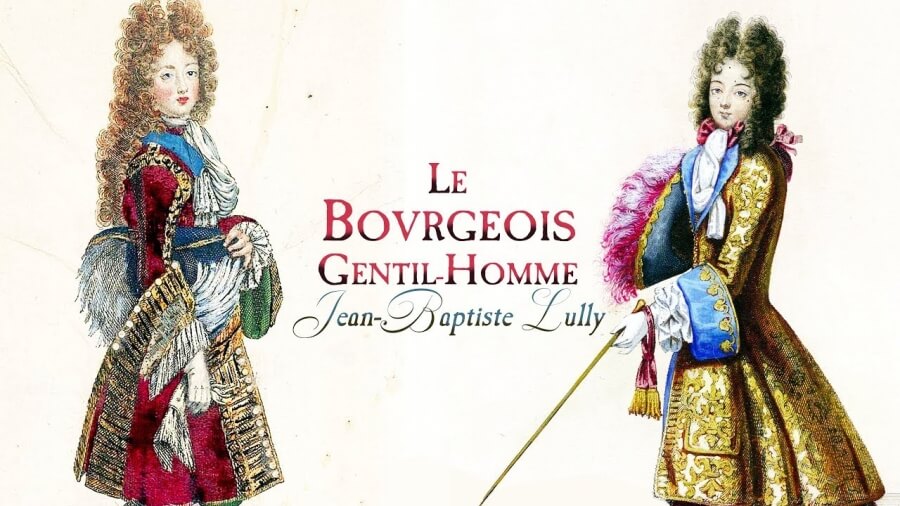
French literature has criticized the bourgeoisie’s materialistic values. In Molière’s 17th-century play “Le Bourgeois Gentilhomme,” he satirized a middle-class man’s attempts to adopt the manners of the nobility, highlighting the absurdity of equating wealth with social status. Similarly, Émile Zola’s 19th-century series “Les Rougon-Macquart” examined the moral and social implications of the bourgeois pursuit of wealth, suggesting that such materialism can lead to moral decay. Jean de La Fontaine’s fable “The Cobbler and the Financier” illustrated that sudden wealth can lead to anxiety, suggesting that happiness is not inherently tied to riches.
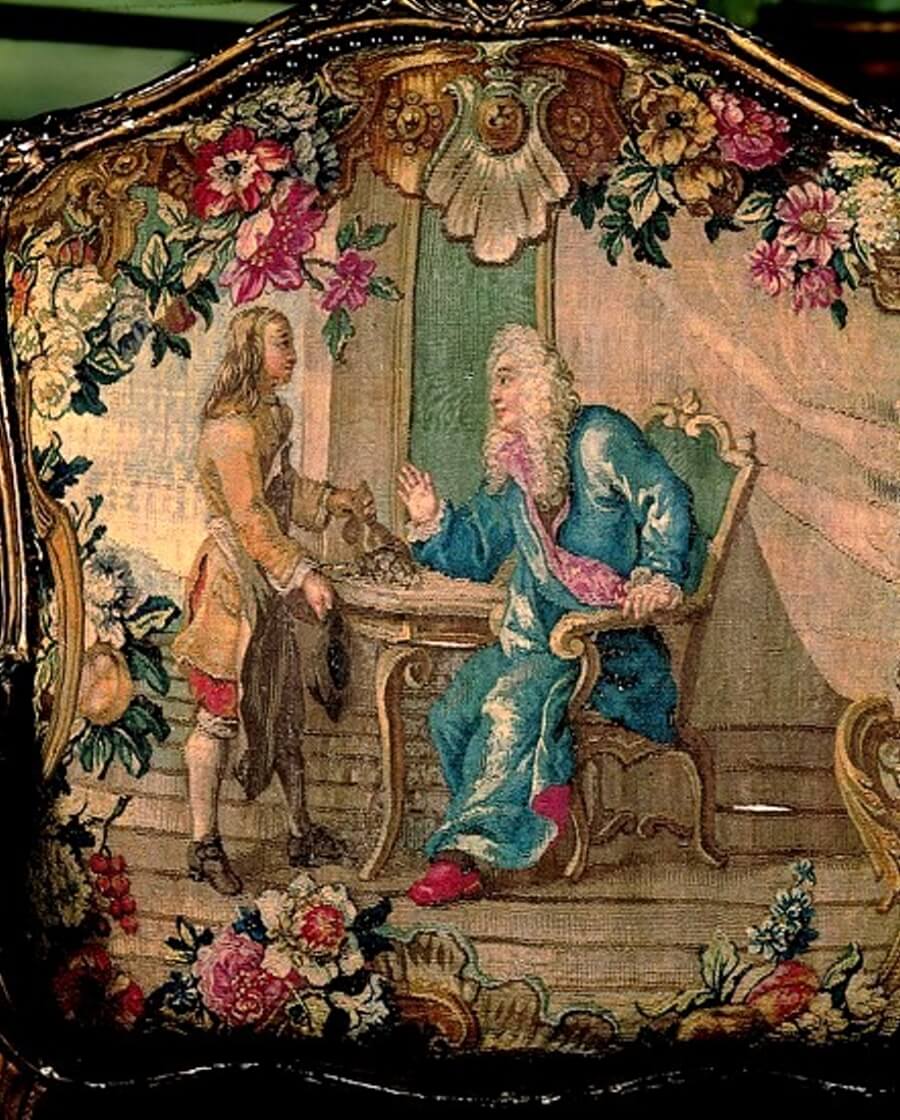
The Cobbler and the Financier
Basically, the French perspective on money balances personal privacy, contentment with one’s means, cautious consumption, a commitment to financial education, and a discourse on the social responsibilities of wealth…just the opposite of our American capitalistic values with a strong cultural emphasis on individualism and self-reliance, leading many to view financial success as a reflection of personal effort and merit. This perspective associates wealth with hard work and ambition, reinforcing the idea that anyone can achieve financial prosperity through determination.
I’m not saying one is right or wrong or better than the other…just very different perspectives, and a point of view that changed me as a person. And if you move to France, it might change you, too.
So, don’t talk about money when in France. Don’t ask your new acquaintance what they do for a living, since that’s almost the same as asking them how much they earn! Don’t equate anything with its financial value or ask anyone what something might have cost them. Don’t even hand out big tips, which can be an insult to someone working hard for their bits and bobs!
I know this sounds crazy to us, as we can’t wait to show off our successes by displaying our wealth on our bodies and in our homes. But, you’ll just be a target for theft. Leave your expensive jewelry at home. Keep your designer handbags hidden away in your closets. And come enjoy the cultural richness of France…without spending any money.
Here are some way of doing that:
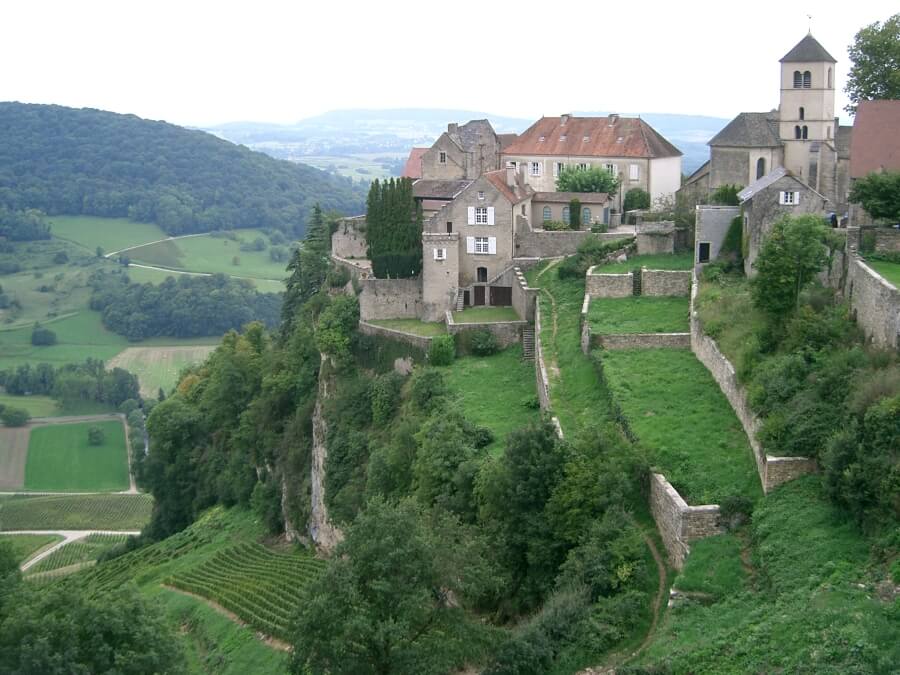
Explore Picturesque Villages
“France is home to numerous charming villages that showcase traditional architecture and scenic landscapes. For instance, the official guide by Les Plus Beaux Villages de France highlights 25 such villages, each with fewer than 2,000 residents and boasting at least two protected sites or monuments. These villages offer attractions like centuries-old architecture, scenic views, and historical significance.” (thetimes.com)
Attend the Fête de la Musique (and other free public festivals)
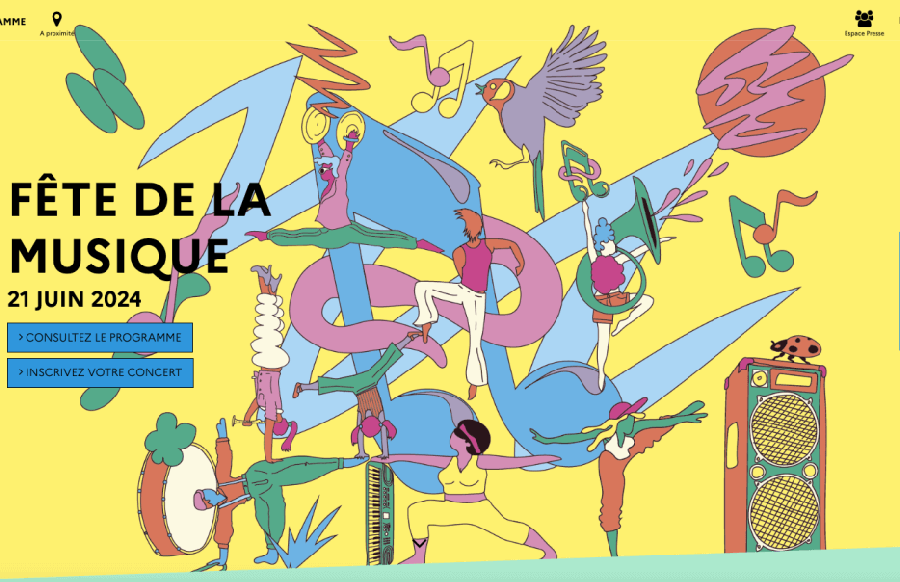
“Celebrated annually on June 21st, the Fête de la Musique is a nationwide music festival where both amateur and professional musicians perform free concerts in streets, parks, and public spaces across France. This event offers a unique opportunity to experience a wide variety of musical genres in festive settings.” (en.wikipedia.org)
Explore Historic Sites
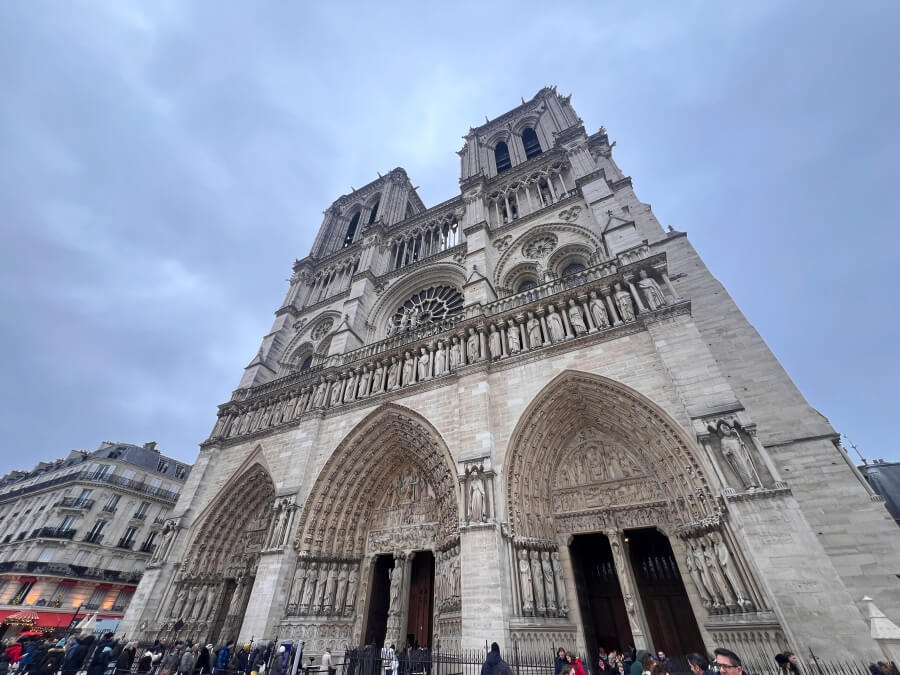
“Many of France’s historic sites can be appreciated from the outside without an entrance fee. For example, landmarks like the Eiffel Tower, Notre-Dame Cathedral, and the Arc de Triomphe in Paris can be admired without cost. Similarly, numerous towns and cities across France feature historic churches, castles, and monuments accessible to the public.” (thesun.ie)
Enjoy Natural Parks and Gardens
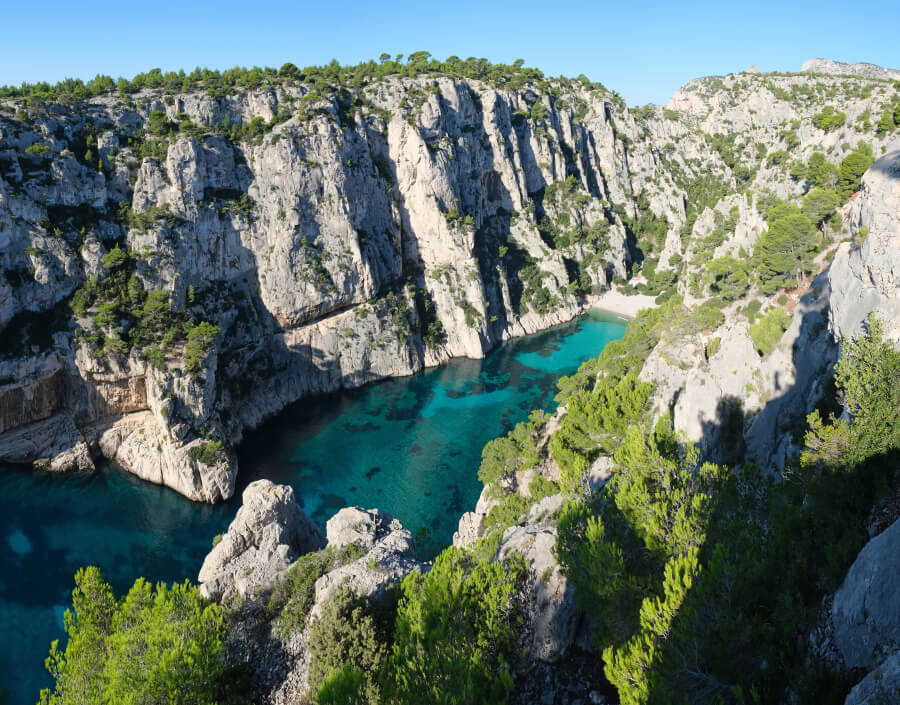
Calanques national park
“France boasts numerous public parks and gardens perfect for leisurely strolls and picnics. For instance, the Calanques National Park near Marseille offers stunning natural landscapes ideal for hiking and nature observation.”
(thesun.ie)
Experience Local Markets
“Visiting local markets provides insight into French culture and daily life. While purchasing items incurs a cost, wandering through markets to observe the vibrant displays of produce, cheeses, and other goods is free and culturally enriching.”
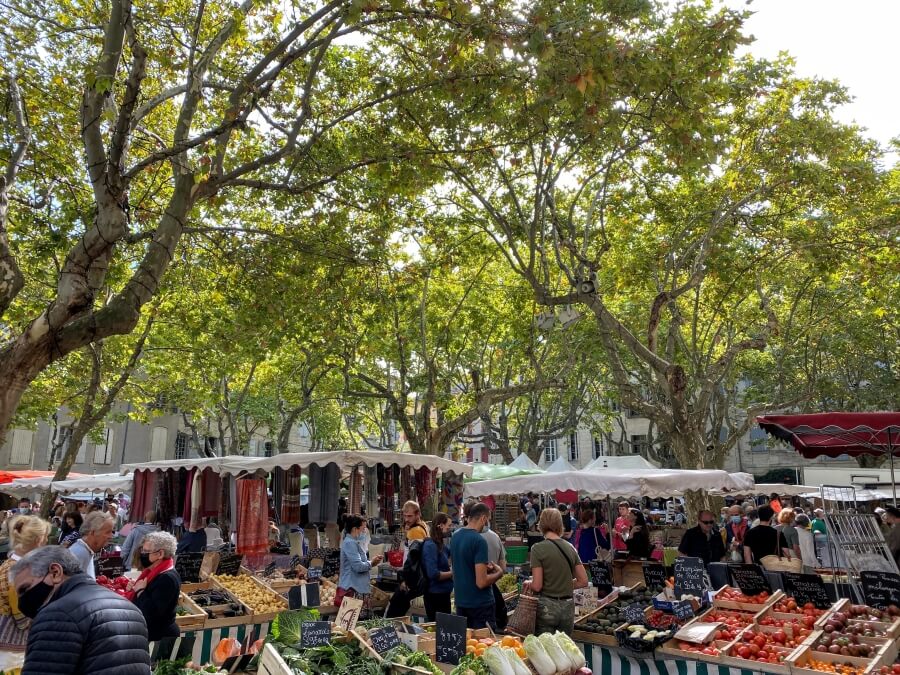
By engaging in these kinds of activities, everyone can experience the rich cultural tapestry of France without costing (or talking about) money.
A la prochaine…
Adrian Leeds
The Adrian Leeds Group®
 Adrian Leeds
The Adrian Leeds Group®
 P.S. I’ll be back in Paris as of this afternoon! Hopefully I’ll see a lot of you at Après-Midi tomorrow when Scott Carpenter talks about his hilariously funny books, French Like Moi and Paris Lost & Found.
9 Comments
Leave a Comment

Let Us create a custom strategy for you
You can live or invest in France-now.
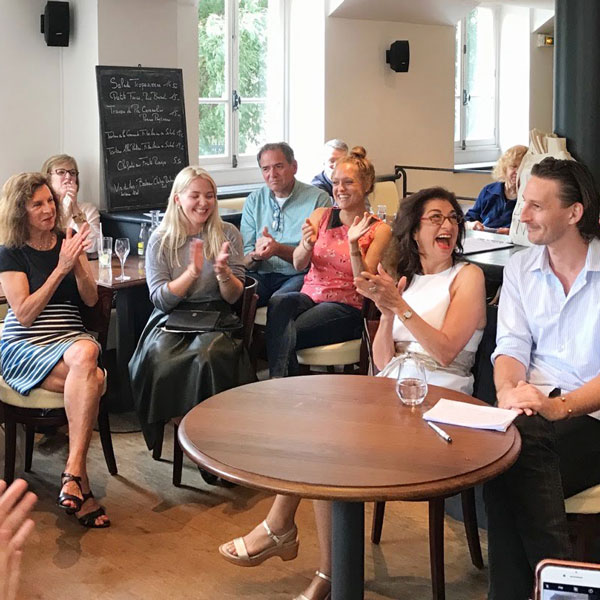
Join us at our monthly Après-Midi.
Become a part of the Paris community.
Property for sale
Read & Subscribe
Dive into more by reading the French Property Insider
Better yet, subscribe to both and get the updates delivered to your inbox.
Global Money Services
Our contacts will help you invest in France.


See Adrian on HHI

Join us on Youtube
Dive into more on how to live, invest & escape to France
Be sure to subscribe!
To read more, click the links below.
My husband and I have recently arrived in Nice. I believe you conduct an Apres-Midi in Nice, and we would love to go to it. We have not yet started searching for an apartment, but we’re here on long-stay visas and have been following you for several years. We don’t know anyone here and would love to be in touch with other expats.
Thank you
You can find the details for Apres-Midi on our website: https://adrianleeds.com/upcoming-events/join-adrian-at-apres-midi/
Great newsletter today. Good comparisons and advice. Crazy times around the world.
Check out the Opinion Piece in the Washington Post by Lee Hockstader. The title is: ” Europe still has cards. Play them all. ” Thanks for sharing the beauty of France!
Chere Adrian, Thank you for another wonderful column about living in France. A quick anecdote?
When I first visited France in 1987 (I was then 30 <– THAT seems like a long ago dream in another reality!), at Orly Airport where I arrived, I zipped into the Bureau de Change. There in return for 'Murkin money, I was given a rasher of GORGEOUS francs.
Why Gorgeous? Because every single note honored a different French artist, writer, poet or musician. I nearly fainted, and then I cried (gasp) — at a country which, on its currency, honors artists instead of crooked politicians. (I WAS sad when that feature was EU-ized away but, ah well! Because the EU experiment of unifying (preventing absurd "continental wars" of nationalism — via economic co-dependency — is TOTALLY WORTH it! (Putin AND Trump both detest the EU and France, because sociopaths are ALWAYS jealously enraged at anyone who is actually HAPPY.)
Thanks for reading. We can't wait to hire your firm soon!
I look forward to reading your newsletter each week. I so needed to hear this!! it is such a struggle to switch gears and embrace French life, although I want too badly. Contemplating a lifestyle change is difficult. As I look at all the beauty of France, I long to be there. I just don’t know if I have enough to live on. C’est la vie!
Hello Adrian,
I enjoyed your blog today as usual, but especially because it touched on a subject that I raise with would-be travellers often: Paris is not as expensive to visit as one might think. You discussed several ways to see France without spending any money. I’d like to remind you of another money-saving way to experience culture in Paris; that is the many free concerts at fascinationg venues around Paris each week.
I just looked (again) at offi.fr , to find free concerts around Paris next weekend. There are many concerts where there is no admission charge. One can give a donation if they want to, but it is not required. Venues like La Madeleine, Eglise Sainte Marie des Batignolles, Eglise Saint Thomas d’Aquin and many others host these concerts and they’re fabulous. Most attendees are local people who follow the seasonal program, but anyone can attend. I highly recommemd it. Of course offi.fr lists all sorts of entertainment around Paris, but the free classical concerts are the entries I like to find early in the week and make my schedule to take advantage of the events. I thought your many readers might like to know about this.
Best regards,
Craig Z.
Granville, OH
What a lovely blog post… thank you! Sadly, many pursue happiness by working for money, and only when they’re facing their mortality do they realize they should instead have spent more time with family and friends.
Thank you for the enlightening post about the French perspective on money. Very useful information. I always find little nuggets in your Nouvellettres and appreciate your efforts to educate us clueless Americans. I’m sure we can save ourselves much embarrassment by paying close attention to the French culture and taking your wisdom on board. T Freeman
(Just FYI – “Love of money is the root of all evil” … not ‘money is the root of all evil’. Gives a totally different meaning.)
WOW!
Hope this is an actual chapter from the book I hope you are writing?
“Spot on” as the British say, LOL.
Thank you!
(grateful to be living here; worried for family and friends living there)