


Weekly insights about property in France!
Subscribe and don't miss an issue!
Don’t Forget to Declare Your Property’s Occupancy Status in France—Or Risk a Fine
Volume XXIII, Issue 25
By Jay Corless, edited by Adrian Leeds
It’s not the most glamorous part of owning property in France, but it’s a crucial one, especially now. Since the reform that phased out the “taxe d’habitation” (residence tax) on primary homes in 2023, the French government has made it absolutely clear: if you own property in France, you are responsible for declaring who occupies it, how it’s used, or whether it’s sitting vacant. This isn’t just bureaucratic red tape—it directly affects whether your property is subject to local taxes.
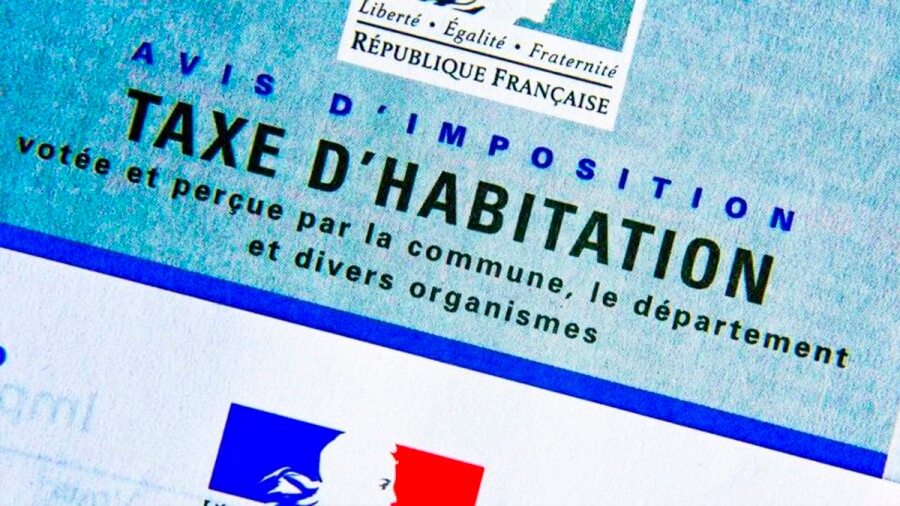
Whether your pied-à-terre in Nice is your cherished second home, your Paris studio is being rented out long-term, or your charming village house in Provence has been unoccupied for months, the French tax office (the DGFiP) needs to know. And they’re serious about it. If they don’t receive an accurate declaration by June 30, 2025, a fine of €150 per property unit could be applied, starting in 2026.
WHAT YOU NEED TO KNOW
Let’s make this simple. Since January 1, 2023, every property owner in France—whether French or foreign—has been required to declare the occupancy status of their property (and any associated units, such as cellars, parking spaces, or garages). You can do this via the online portal using your secure personal space under the “Biens immobiliers” (Real Estate Properties) tab.
Here’s a direct link to the page. The PDF forms to complete are found here.
If any change occurred between January 1, 2024, and January 1, 2025—say, your property went from being your primary residence to a rental, became vacant, got new tenants, or acquired a new secondary home—then that must be updated by the June 30th deadline.
If you’ve already submitted a declaration and there have been no changes, you can breathe easy. Otherwise, it’s time to login and check that everything is up to date.
WHY IT MATTERS
This declaration plays a critical role in determining how your property will be taxed. The French tax authorities need to know whether your property is your principal residence, a secondary home, a vacant property, or a rental and how it is being used throughout the year. Suppose it’s your primary residence, or that of a tenant using it as their primary home. In that case, the property is exempt from the “taxe d’habitation.” However, suppose it’s considered a secondary residence or has been left vacant. In that case, it may still be subject to this local tax or to a separate tax on vacant dwellings.

Let’s say you’ve rented out your apartment in Lyon to long-term tenants—the authorities want to know who is on the lease and if anything has changed since your last declaration. Or perhaps your little cottage in Brittany has been sitting untouched all year, but it’s still fully furnished and ready for use. Even if you haven’t set foot in it once, it will still be considered a secondary residence and must be declared as such. Suppose you’re offering your property as a short-term rental, whether seasonally or via platforms like Airbnb. In that case, that also needs to be disclosed, as it falls under a different category of use.
The goal is straightforward: the government aims to fairly and accurately determine which properties are actively used as homes and which are not. And it’s your responsibility as the owner to help make that distinction.
Accompanied by annexes like a garage, storage unit, or cellar, which must be declared alongside the main property. The online form is relatively user-friendly, with much of the data already populated based on what the government already knows. You confirm or update the details and enter an “end date” for any previous occupancy that has changed.
If you don’t have internet access or need extra help, you can visit your local tax office or a France Services center. There is also a hotline: +33809401401 (toll-free and local call cost), open weekdays from 8:30 a.m. to 7:00 p.m.
WHAT HAPPENS IF YOU DON’T COMPLY?
This year, there’s still a grace period. No fines will be applied in 2025—but that’s your warning. Starting in 2026, errors or omissions will incur a penalty of €150 per unit, with no exceptions. If you own a home with a garage and cellar, that’s three “locales,” meaning you could face fines of up to €450 if they are left undeclared or misreported.
If you’re like many of our readers—charmed by your French life, perhaps not fully fluent in the administrative language—this can feel somewhat insecure. But it’s also manageable. Consider this a part of being a responsible property owner in France.
And if it’s any consolation, once you’ve submitted your declaration, you’re done for the year—unless something changes again.
BOTTOM LINE
France isn’t trying to make your life harder—it’s simply trying to ensure fair taxation, especially now that the “taxe d’habitation” on primary homes is gone. This declaration ensures that homes used as second residences or left vacant are properly taxed and that those used as primary residences—by you or your tenants—are exempt.
So, pour yourself a café crème or a glass of wine, login and take care of this small but necessary task. A little digital paperwork now could save you a hefty fine later—and that’s money better spent on cheese, wine, or your next weekend getaway.
Special Note: The French government website has a special section for English-speaking international visitors to better help you manage these administrative duties.
A bientôt,
 Adrian Leeds
The Adrian Leeds Group®
P.S. We’re the folks that can make your French property investment dream come true, while protecting you from making serious mistakes. See the services we offer to help you find the perfect property in France!

Let Us create a custom strategy for you
You can live or invest in France-now.
Property for sale
what's happening
Check out upcoming events, conferences, or webinars. Join us!
GET FINANCING
Learn about French Property Loan Information.

Read & Subscribe
Dive into more by reading the Adrian Leeds Nouvellettre®
Better yet, subscribe to both and get the updates delivered to your inbox.

Get started with your dream of owning property in Paris.
Join us on Youtube
Dive into more on how to live, invest & escape to France
Be sure to subscribe!
To read more, click the links below.