


Weekly insights about property in France!
Subscribe and don't miss an issue!
Walk in the Footsteps of the French Revolution–Own a Bit of History Along the Way
Volume XXIII, Issue 28
By Jay Corless, edited by Adrian Leeds
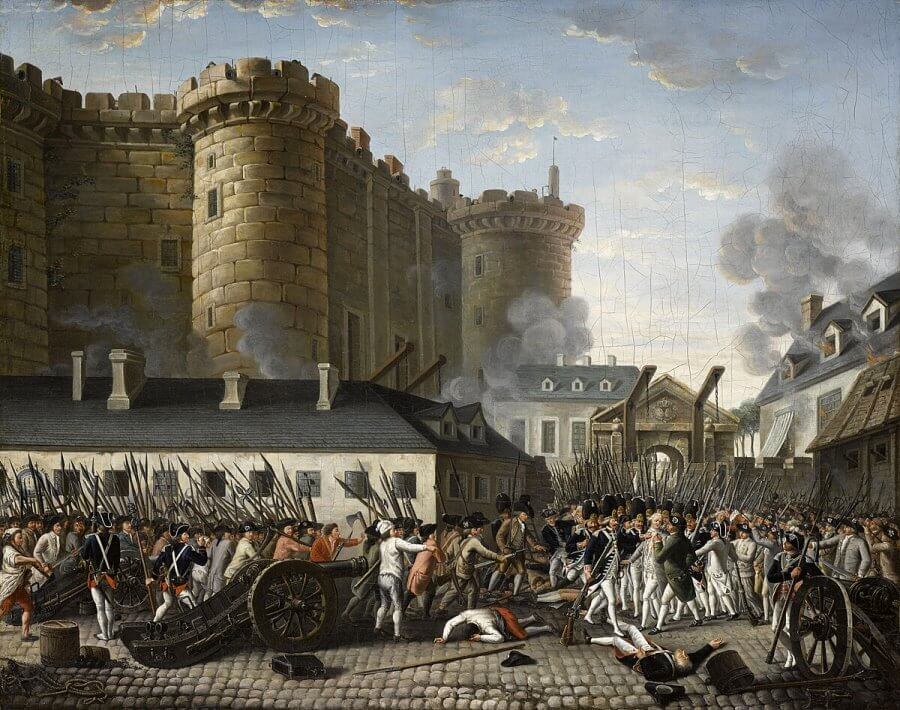
Each year on July 14th, Paris and all of France celebrate the storming of the Bastille with fireworks, music, and nationwide pride. But while most are focused on the festivities, we find ourselves pulled into the story behind it all—and more intriguingly, into the neighborhoods where that story unfolded.
What’s remarkable is that you can still walk the path of the French Revolution right here in the capital. And along the way, you’ll discover some of the most exciting—and historic—real estate opportunities the city has to offer.
It all begins at Place de la Bastille, where the infamous prison once stood. Though the building itself was dismantled after the Revolution, the square remains a vibrant hub, marked by the Colonne de Juillet, which honors a later revolution in 1830 but stands on the very spot where the storming of the Bastille ignited a new chapter in France.
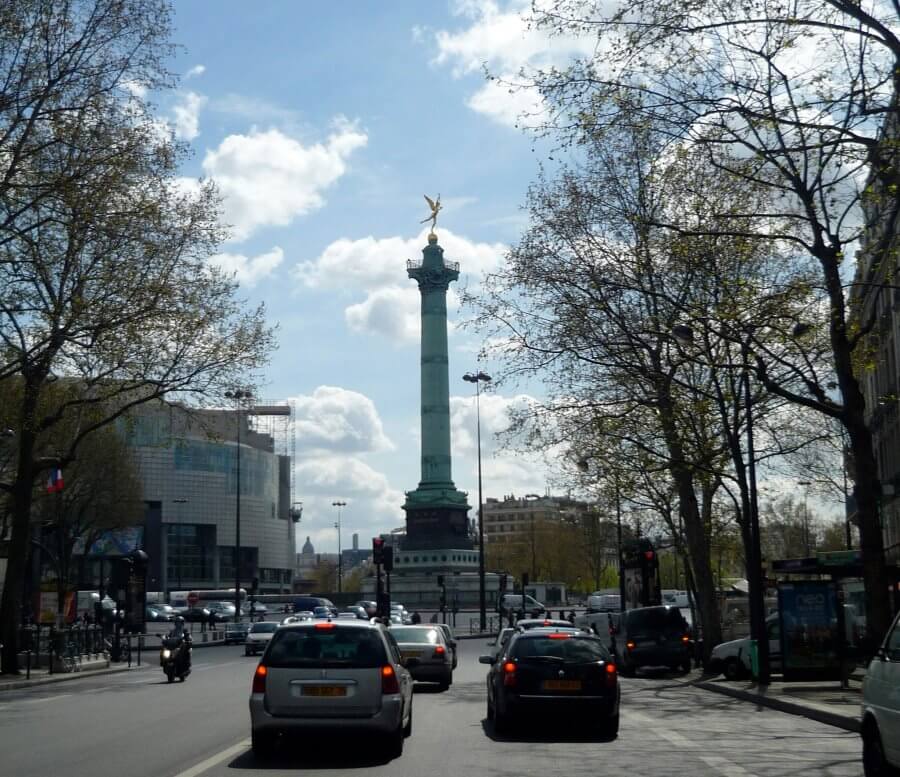
Look closely, and you’ll see the outlines of the original prison towers etched in the pavement—a ghostly reminder of the fortress that once symbolized tyranny. This area is now at the intersection of three neighborhoods—the 4th, 11th, and 12th arrondissements—each offering something different for prospective buyers.
In the eastern Marais, prices are high but stable, typically around €12,500 per square meter, due to its historic architecture and unbeatable charm. In the 11th, you’ll find a livelier, more bohemian energy and slightly lower prices, while the 12th offers better value with more space and green pockets.
If you’re venturing down rue des Francs-Bourgeois and rue du Roi de Sicile take notice that these streets were home to wealthy aristocratic families whose “hôtels particuliers” were seized or abandoned during the Revolution. Many of these buildings still stand today, transformed into museums, boutiques, and residences, but the architecture still whispers of “ancien régime luxury.”
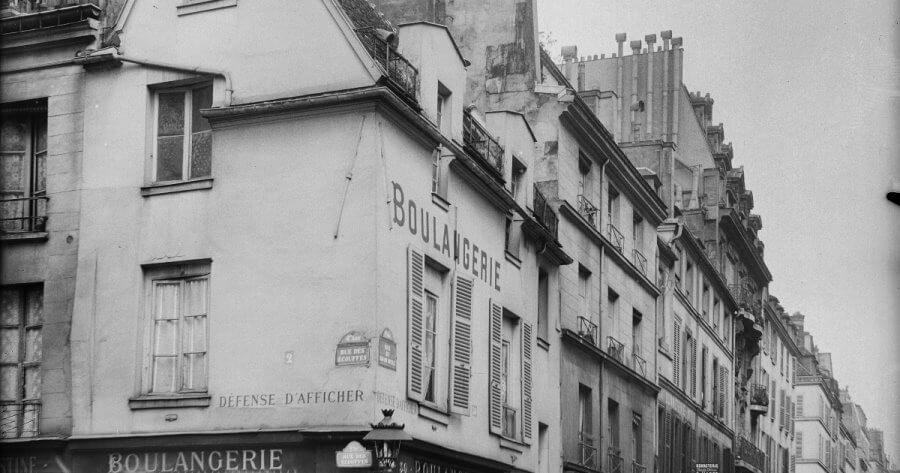
Vintage photo of the rue du Roi Roi de Sicile
Place des Vosges, the elegant square at the heart of the Marais, played a subtle but symbolically rich role during the French Revolution. It wasn’t a site of major revolutionary violence or mass uprisings like Place de la Concorde, but it underwent a transformation—from royal prestige to revolutionary repurposing—that mirrored the upheaval of the era. Originally called Place Royale, it was built by Henri IV in the early 1600s as the first planned square in Paris. It was a symbol of royal authority and aristocratic elegance, lined with uniform red-brick “hôtels particuliers” inhabited by nobles.
The Revolution was deeply anti-aristocratic, and the Place Royale’s association with monarchy and nobility made it ideologically problematic. Many of the noble families fled or were dispossessed—their mansions seized as “biens nationaux” (nationalized property) and sometimes sold to bourgeois buyers or repurposed. The royal statue of Louis XIII, which stood at the center of the square, was destroyed in 1792, like other symbols of monarchy across Paris.
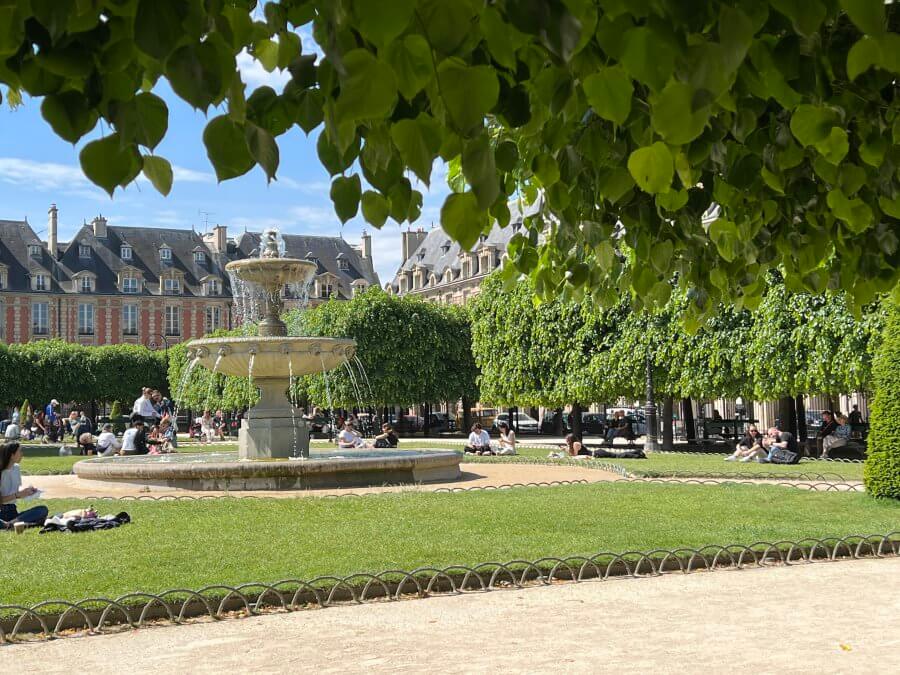
Property prices in the Place des Vosges remain some of the highest in the city with a range of €13,000 to €26,000 per square meter. That puts properties here at a premium—about 38% above prices in the wider Arsenal/Archives area and nearly 48% higher than the average for Paris 3rd and 4th arrondissements. But, it’s also the city’s chicest address.
From the Place des Vosges, go south and walk west along rue Saint-Antoine, following the same route taken by revolutionaries as they marched toward the Hôtel de Ville. This is Paris at its finest—narrow streets, sun-drenched stone façades, and the feeling that every door could open into a centuries-old story. Hôtel de Ville, or the City Hall, served as the headquarters for the revolutionary Commune.
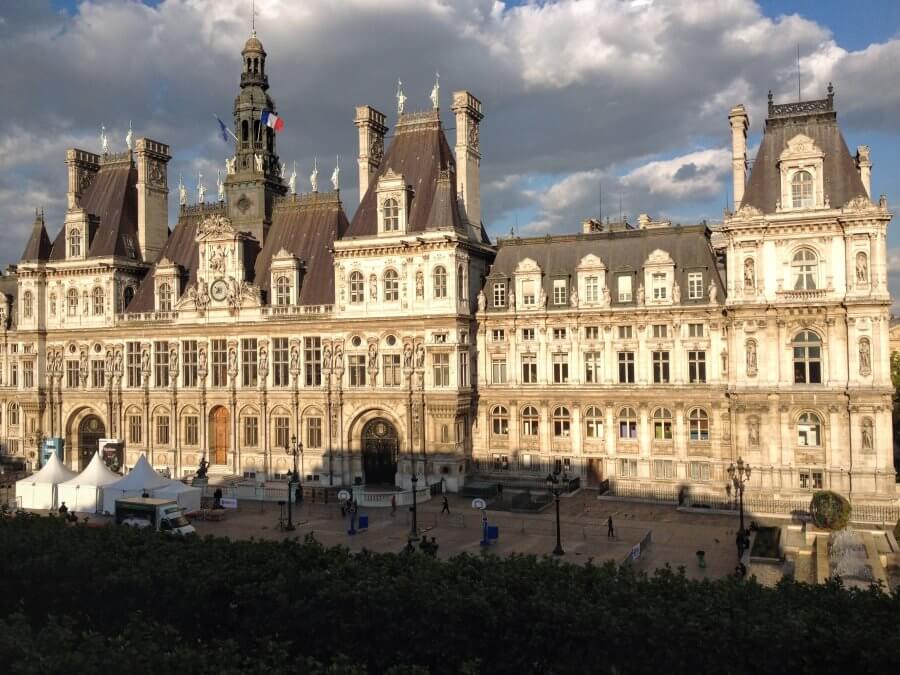
Though rebuilt after a 19th-century fire, it retains its role as the symbolic heart of Paris’s civic life. Living nearby means being at the center of it all. Around rue de Rivoli and Île Saint-Louis, you’re paying top-tier prices—sometimes €13,000 to €15,000 per square meter—but you’re also getting old-world Paris in all its preserved beauty. These are homes that breathe history.
Cross the Seine to Île de la Cité and you’ll arrive at the Conciergerie. In this hauntingly beautiful Gothic palace-turned-prison, Marie Antoinette and countless others awaited the guillotine. You can still visit her cell. For buyers, properties on Île de la Cité and Île Saint-Louis are elusive and expensive—ranging from €17,000 to €20,000 per square meter—but they offer a singular experience: Seine views, peace, and quiet, and a Paris that feels untouched by time.
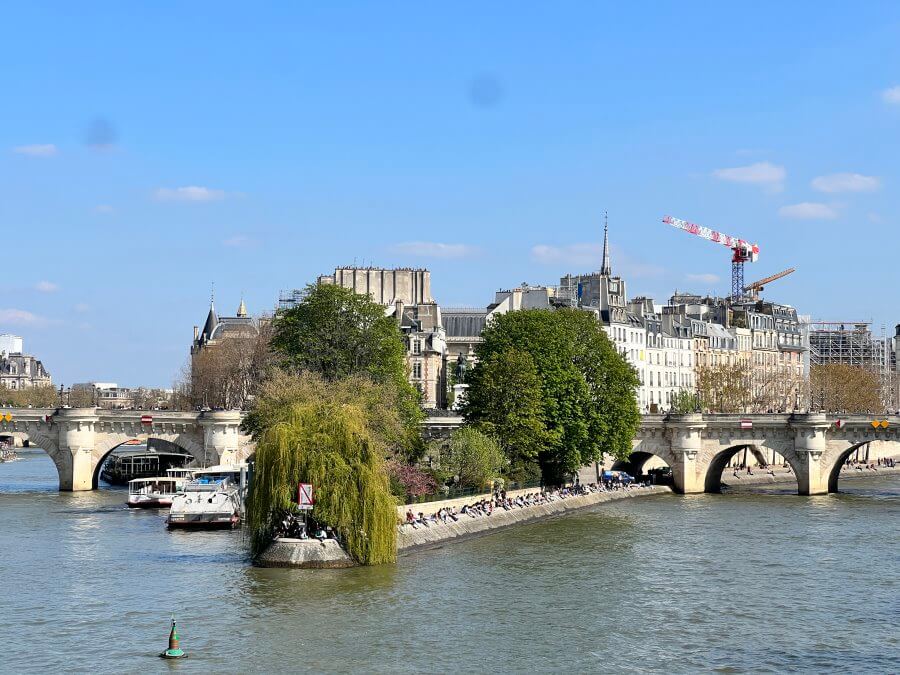
Île de la Cité
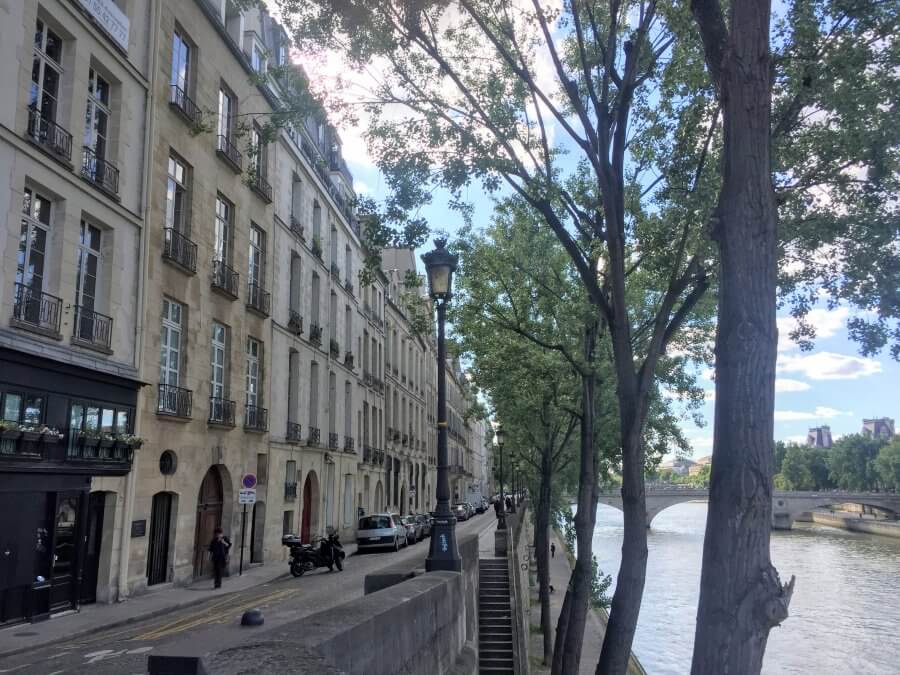
Île Saint-Louis
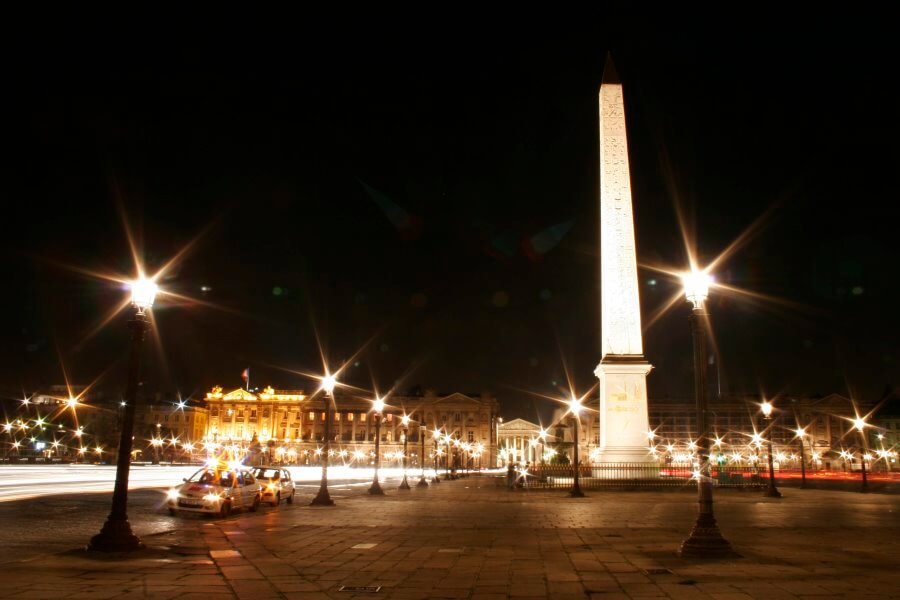
Continuing west along the river, you eventually reach Place de la Concorde. Today it’s elegant, flanked by luxury hotels and the Tuileries. Still, in 1793, this was where the monarchy met its violent end. Louis XVI and Marie Antoinette were executed here, as were over a thousand others.
The guillotine is gone, replaced by the Luxor Obelisk, but the history is impossible to ignore. Living here—in the 1st or 8th arrondissement—places you among Paris’s power elite. Apartments near the Rue Saint-Honoré or Place de la Madeleine range from €14,000 to €18,000 per square meter, offering Haussmannian elegance, concierge buildings, and walkable access to the city’s best shopping and culture.
From there, wind your way northeast toward Place de la République, either on foot or by hopping on the Métro. While this square came later than the Revolution, it has become the epicenter of political expression in modern France. The imposing statue of Marianne—symbol of the Republic—is surrounded by protest banners, skateboarders, musicians, and artists.
It’s a square that feels alive with civic energy. Real estate here is surprisingly accessible. The surrounding 10th and 11th arrondissements have undergone enormous revitalization over the past decade, with loft-style apartments, hidden courtyards, and creative co-living spaces attracting both locals and savvy expats. Prices range from €8,500 to €10,500 per square meter, offering substantial value and long-term growth potential.
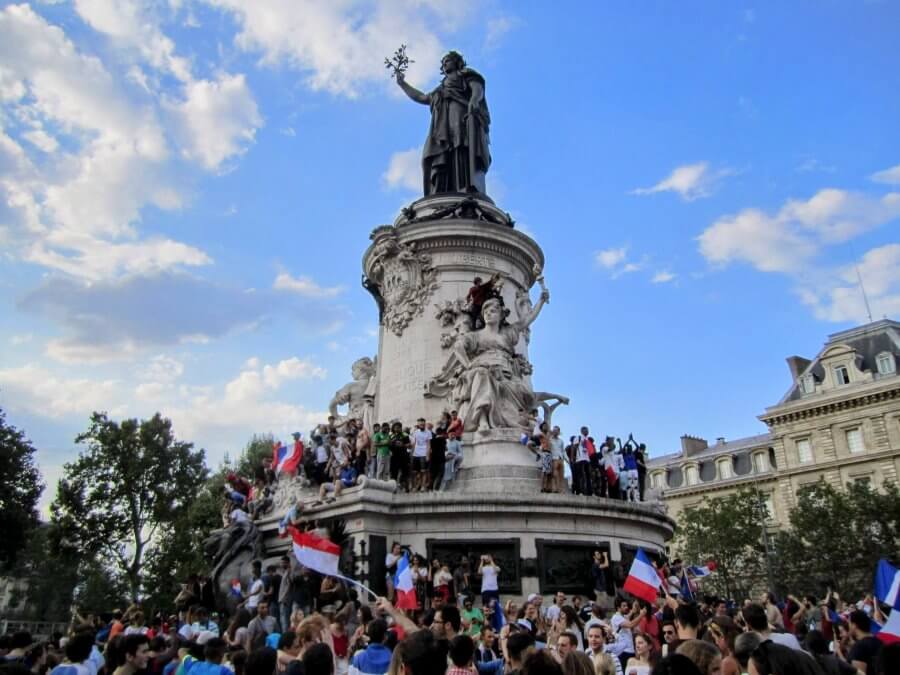
And if you’re not ready to end the journey there, we suggest a final stop: the Panthéon in the Latin Quarter. It’s not on most Bastille Day itineraries, but it should be. This neoclassical marvel, once a church, was transformed into a secular temple during the Revolution. Voltaire, Rousseau, and later Revolutionary heroes are buried here—intellectual giants whose ideas laid the foundation for modern France.
North Americans love the surrounding 5th arrondissement for good reason. It’s walkable, steeped in academic life, and beautifully preserved. Prices run between €11,000 and €13,000 per square meter, with a few premium options offering views of the Panthéon itself.
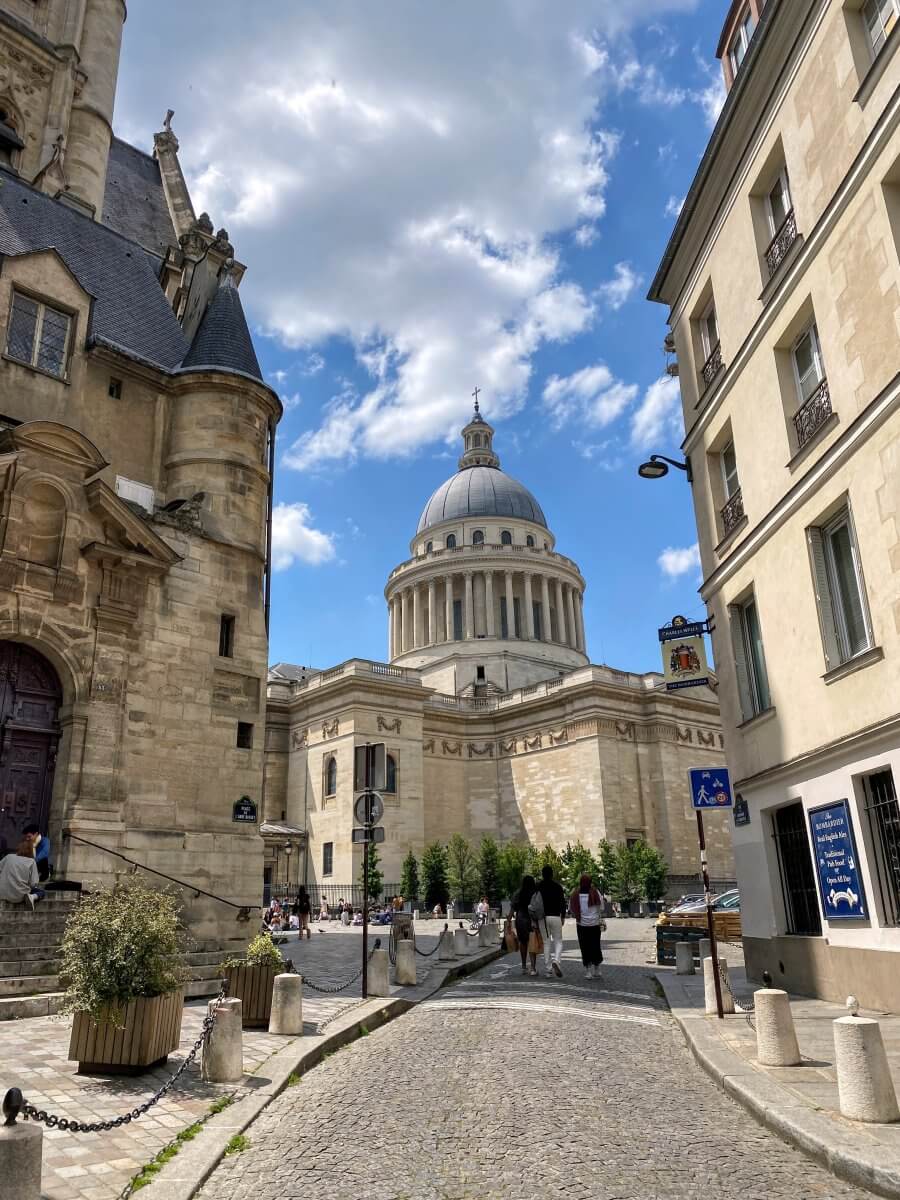
What we love about this revolutionary walk—aside from the architecture, the cafés, and the whispering ghosts of history—is that it shows how seamlessly the past and present coexist in Paris. You’re not just walking through a museum; you’re walking through neighborhoods where people live, work, fall in love, and own homes. If you’ve ever dreamed of living in a place where every street corner tells a story—and where property values are backed by centuries of charm and character—this revolutionary trail might be your real estate roadmap.
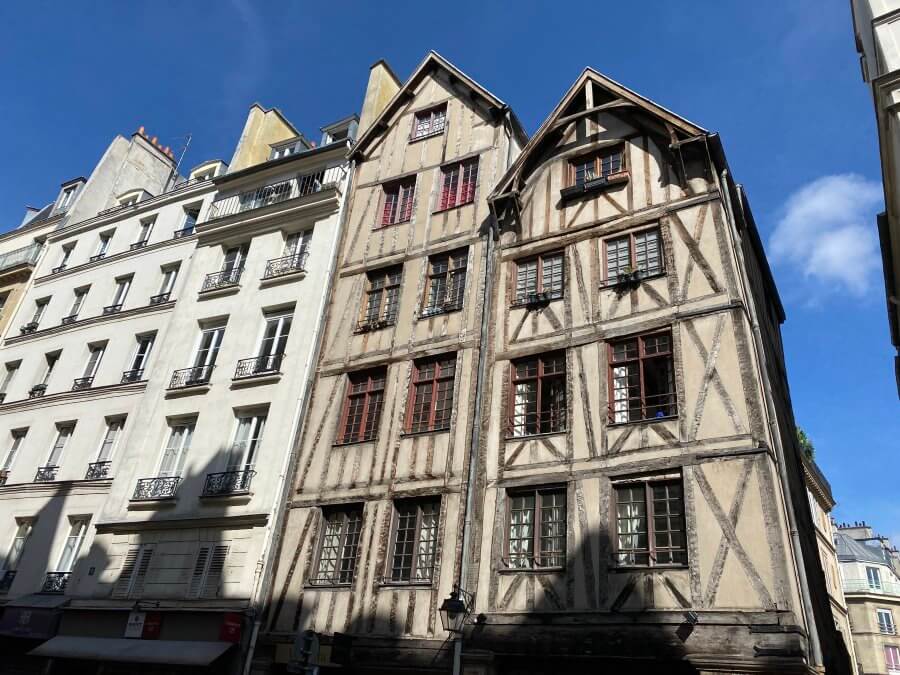
So this Bastille Day, don’t just toast liberty with a glass of champagne. Walk in the footsteps of those who made it happen. And while you’re at it, keep an eye out for an “A Vendre” (For Sale) sign or two. Because some revolutions change nations, and others change lives, one apartment at a time.
Special note: prices per square meter quoted are estimates based on published sale prices, but a word of caution—they do not include agency fees and are often skewed by the lag time between the offer, the sale and the date reported as well. Add 10% to these figures to get a truer picture!
A bientôt,
 Adrian Leeds
The Adrian Leeds Group®
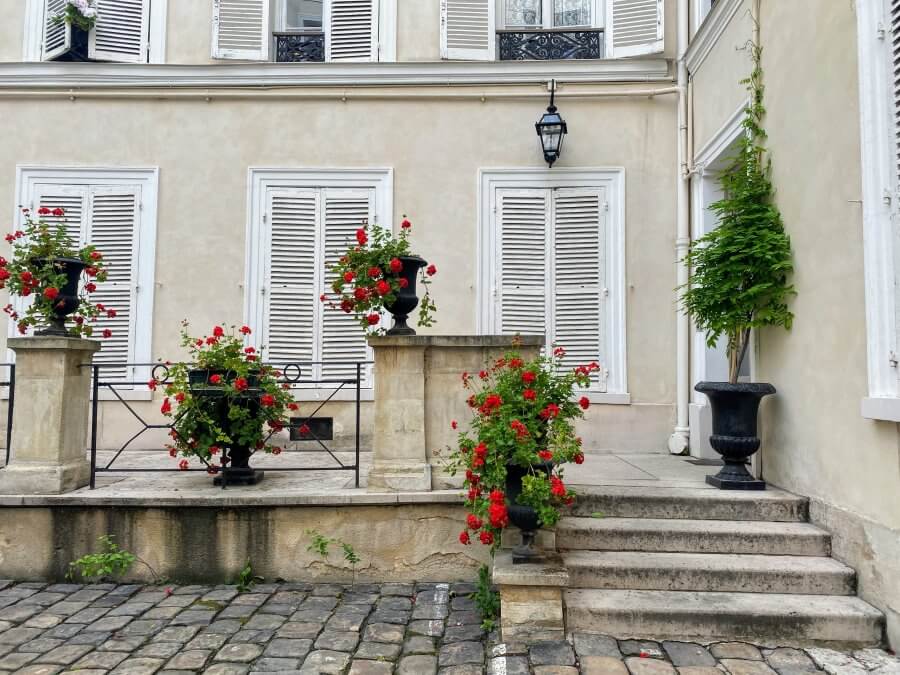 P.S. In August I will be moving back into my 17th-century building on rue de Saintonge. Many of the buildings from the 17th- and 18th-centuries still stand, and have been restored, but their façades tell the story of a district that saw everything from aristocratic privilege to post-revolutionary reinvention. While rue de Saintonge was not a revolutionary hotspot, it was part of the larger canvas of daily life in Revolutionary Paris—especially in a district like Le Marais, where change was felt on every cobblestone.
 P.P.S. J’aime & Thomas, from our House Hunters International episode “A Fairytale Unfolds in Paris,” is currently 3rd in their Group to win America’s Favorite Couple. You decide who wins $20,000 and appears in Variety magazine as America’s Favorite Couple. They have Leo energy, Pisces flow and balance each other in a complimentary way. French charm meets Hawaii born sweetheart. “La Belle Vie” is their motto. The first part of the quiz ends today on July 10th and you have the opportunity to vote FREE every 24 hours to support them.
1 Comment
Leave a Comment

Let Us create a custom strategy for you
You can live or invest in France-now.
Property for sale
what's happening
Check out upcoming events, conferences, or webinars. Join us!
GET FINANCING
Learn about French Property Loan Information.

Read & Subscribe
Dive into more by reading the Adrian Leeds Nouvellettre®
Better yet, subscribe to both and get the updates delivered to your inbox.

Get started with your dream of owning property in Paris.
Join us on Youtube
Dive into more on how to live, invest & escape to France
Be sure to subscribe!
To read more, click the links below.
Loved the history lesson!