


Weekly insights about property in France!
Subscribe and don't miss an issue!
Property Sellers’ Expectations
Volume XXIV, Issue 06
By Jay Corless, edited by Adrian Leeds
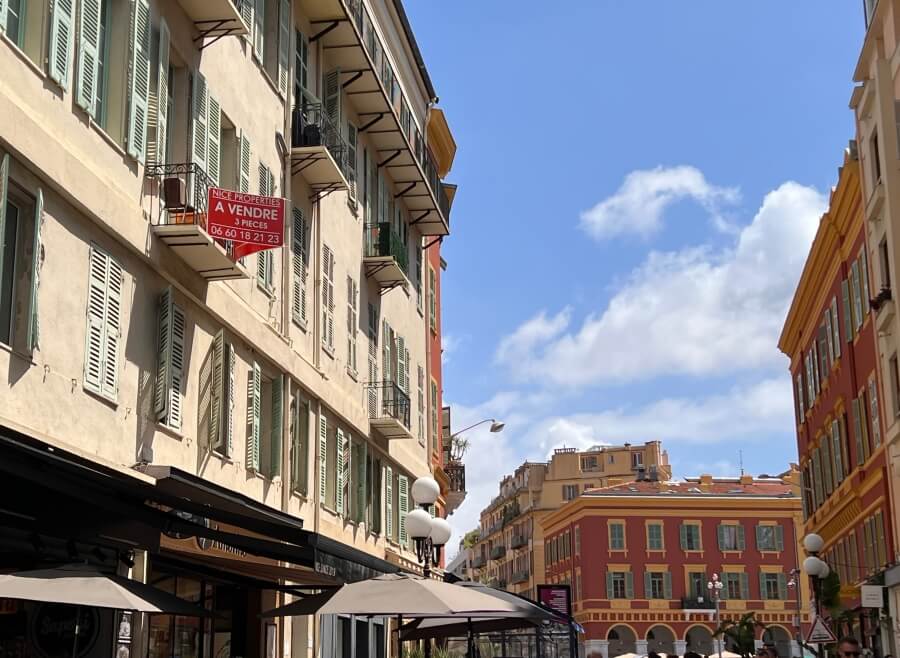
Selling a property in France is usually straightforward, but it rarely feels fast. For North American owners, the big surprise is how much of the “sale” happens after you’ve accepted an offer. The French system is Notaire-led, document-driven, and deliberately structured. That structure can work in your favor, as long as you prepare early and understand the rhythm.
Start by reframing the question from “What can I sell it for?” to “What will I net?” Pricing in France is highly local and heavily influenced by presentation and building context. Comparable sales matter, but so do fundamentals buyers fixate on: light, layout, noise, condition, and, more than ever, perceived energy comfort. If you’re in a “copropriété” (shared building), the building’s reputation, maintenance history, and upcoming works can influence buyer confidence just as much as your interior finishes. A realistic price and a clean story from day one typically create momentum; “testing the market” too high often leads to longer time on market and harder negotiation later. Properties that don’t sell quickly can be considered un-marketable.
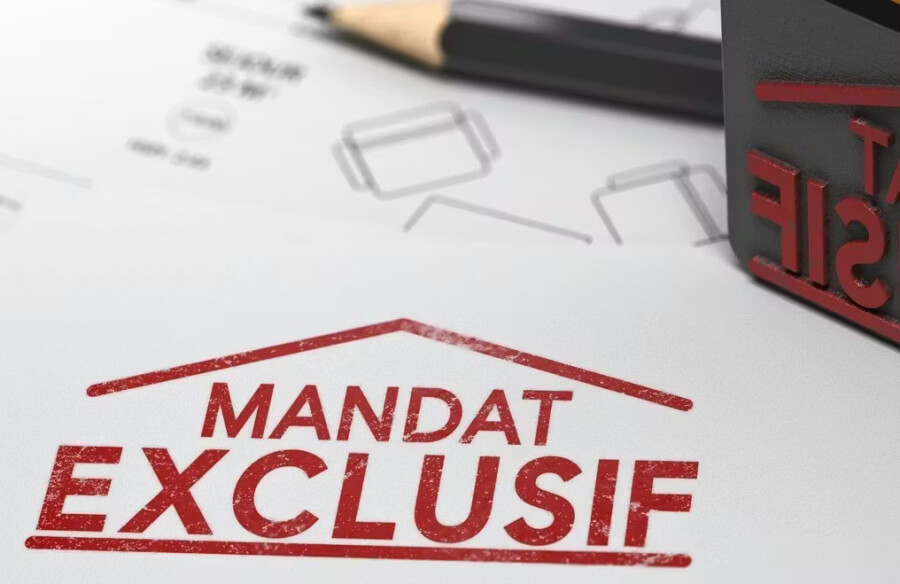
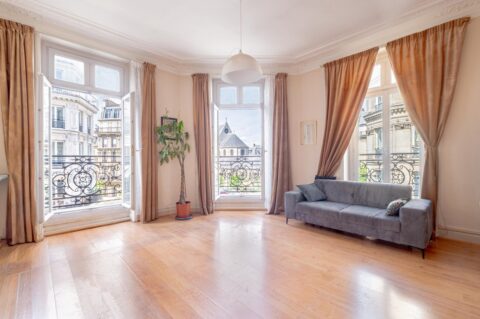
Most sellers choose an agency, which means signing a “mandat” (listing agreement). The headline choice is “mandat simple” (non-exclusive) versus “mandat exclusif” (exclusive), but the more important work is in the details: duration, notice period, fees, marketing commitments, and any clauses that penalize you if a buyer is found outside the agreed framework. The right mandate is the one that aligns incentives, sets clear expectations, and gets your property presented properly, with excellent photos, an accurate description, and a showing plan that doesn’t leave the listing to drift.
One of the most practical French realities is that you’ll need a full set of mandatory inspections, your “diagnostics immobiliers,” packaged as the “dossier de diagnostic technique” (“DDT”) and attached to the sale file (see this page and this one). These reports can include the “DPE” (energy performance rating), and depending on the property, checks for electrical and gas installations, asbestos (“amiante”), lead (“plomb”), termites in certain zones, and local risk declarations. They aren’t just administrative—they can affect negotiation leverage and buyer comfort. Ordering them early gives you control, time to fix what’s easy, price what isn’t, and avoid unpleasant surprises at the moment you’re trying to secure an offer. And in some municipalities, newer rules can also trigger a separate “diagnostic structurel obligatoire” for certain older residential buildings in designated risk zones, worth flagging early if you’re selling in an older “copropriété,” because it can add another layer of documents and timing to manage.
A seller’s best quiet advantage is good record-keeping, especially around renovations and improvements. Keep a clean file of “factures” (paid invoices), contractor details, warranties, permits, or “déclarations préalables” where relevant, and before/after photos. This serves two purposes: it reassures buyers (and their surveyors or insurers) that work was done professionally and transparently, and it helps your Notaire document the property history if questions arise during due diligence. Just as importantly, these records can matter financially: certain improvement costs may be relevant when calculating “plus-value” (capital gains) on a non-primary residence sale, so having dated invoices and proof of payment can protect your position and reduce back-and-forth at closing.
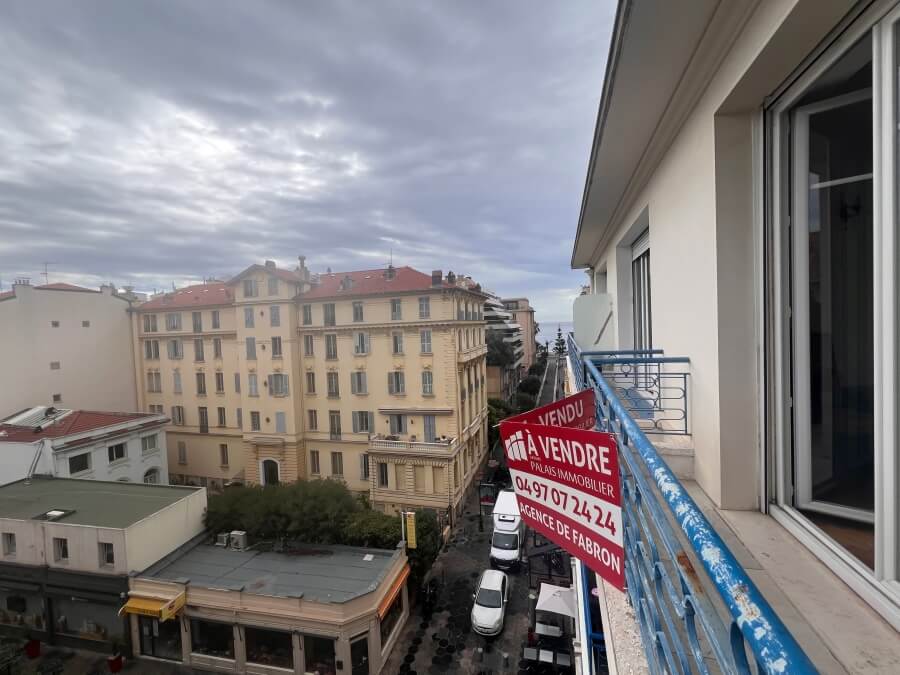
From there, the sale looks familiar: showings, buyer questions, written offers. What is so “French” is how offers are assessed. Price matters, but so does the cleanliness of the deal: the buyer’s financing plan, the requested timeline, and any conditions. Many buyers will include financing-related protections, “conditions suspensives,” which are normal and often necessary. The strongest offer is typically the one that combines a solid price with a realistic calendar and clear financing.
Negotiations rarely go below the 5% mark off the asking price. As a buyer, do not expect to “haggle” over the price as you might in America and as a seller, you need not build in more negotiation room than 5%. Properties are not priced low to create bidding wars, also a habit in the U.S., as the seller is morally obligated to accept asking price. If a buyer offers asking price with a “clause suspensive” (loan contingency), then a buyer without the contingency will gain favor.
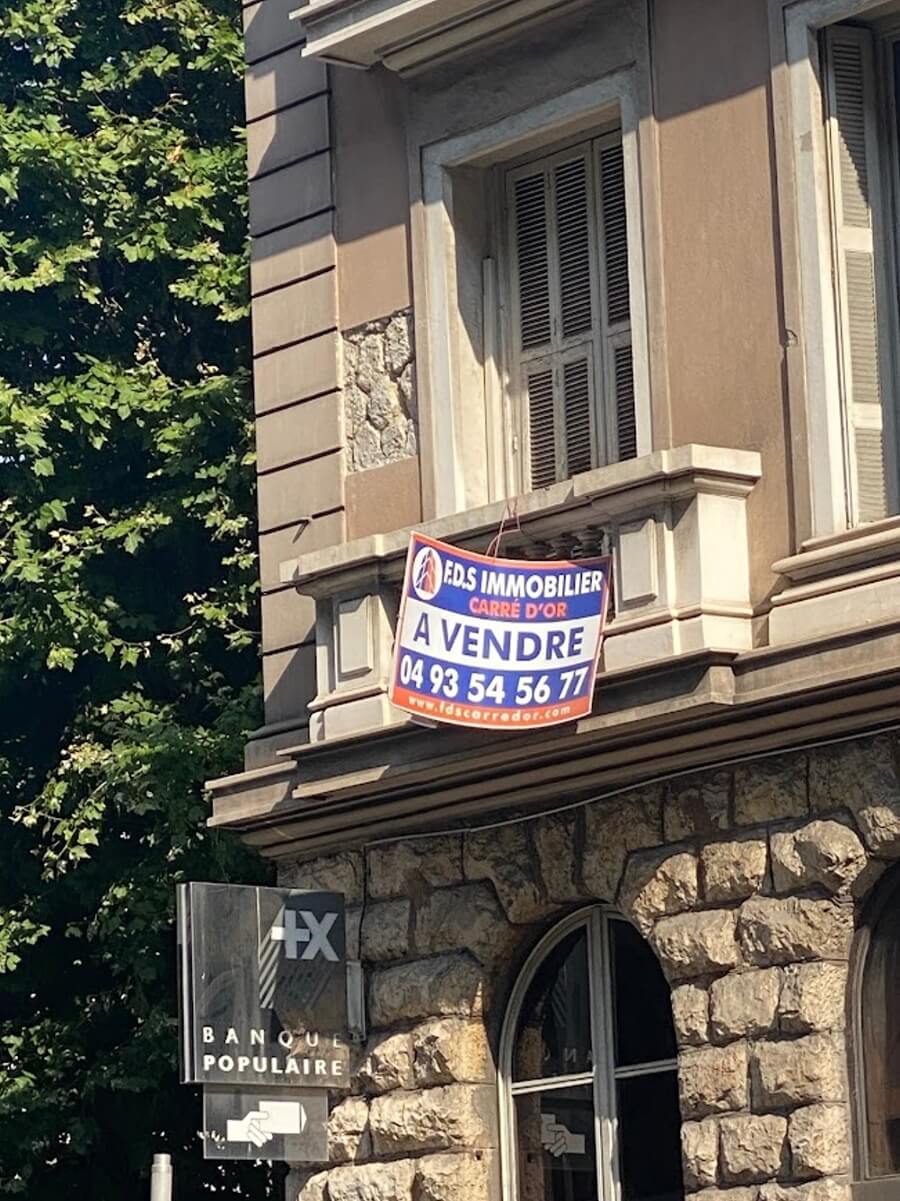
Once you accept an offer, the transaction enters the notarial phase. The Notaire is the legal anchor of the process: they prepare and authenticate the contracts, run the required checks, coordinate the paperwork, and handle the money. You’ll usually sign a preliminary contract, most often a “Compromis de Vente” (preliminary sale agreement), sometimes a “Promesse de Vente,” depending on the situation. However, most pre-sale contracts in Paris are “Promesse” vs “Compromis” in other parts of France. This is simply an observation.
This is where the deal becomes structured: the price, timeline, deposit, and conditions are formalized. Owners sometimes feel unsettled because the buyer benefits from a cooling-off period of 10 days after signing. That’s standard consumer protection in France; it’s not a red flag. After that period passes and the buyer’s financing condition is progressing, the sale becomes significantly more secure.
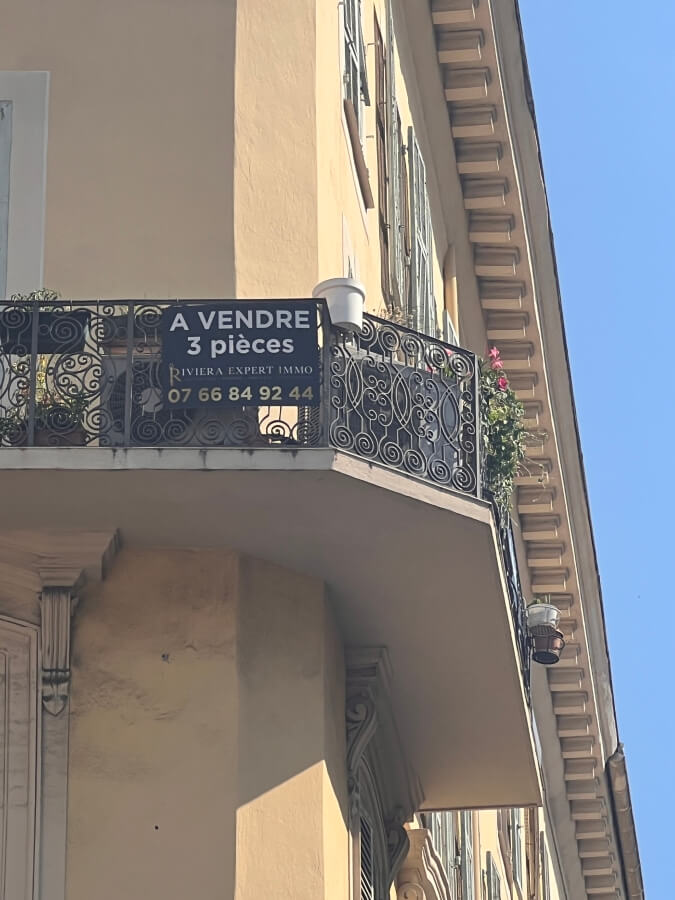
The “in-between” period is where timelines are made or lost. The Notaire gathers documents, verifies the title, coordinates with the buyer’s Notaire if they have one, and, if the buyer is financing, waits for the bank’s process to complete. If your property is in a “copropriété,” buyers and Notaires will request standardized building documents from the “syndic” (building manager), including recent “procès-verbal d’assemblée générale” (general meeting minutes), current “charges de copropriété” (building charges), and information on planned or voted works. In many cases, the sale file will also require an “état daté,” prepared by the syndic for the Notaire. This is a common bottleneck, so the earlier you, your agent and the Notaire assemble the building file, the smoother the path to completion.
Completion happens at the “Acte Authentique,” the final notarized deed. You can sign in person or via “procuration” (power of attorney) if you’re abroad, and now “in-person,” but online using video conferencing. The Notaire receives the buyer’s funds, completes the legal transfer, and then releases the sale proceeds by bank transfer once the closing steps are finalized. Your final statement will show the exact credits and deductions, which can include agency fees, prorations, and adjustments tied to the building, and, depending on your situation, “plus-value” considerations (capital gains) if the property is not your primary residence and no exemption applies.
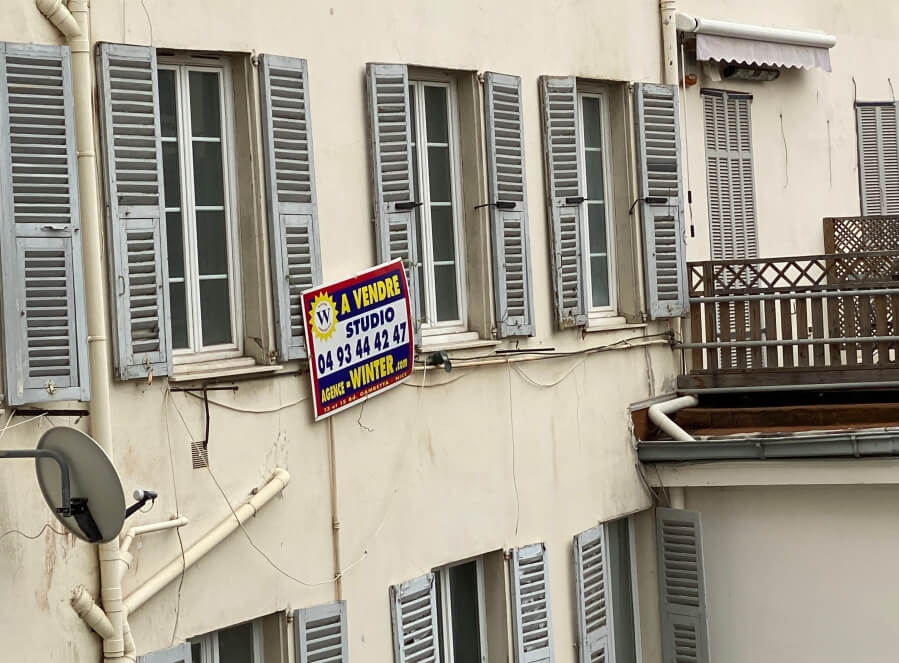
The most common seller frustrations are predictable: pricing too high and losing early momentum, weak presentation, slow “copropriété” paperwork, late diagnostics, and unrealistic assumptions about timing, especially when financing is involved. The antidote is also predictable: prepare early, build a complete file, and treat the sale as a managed process rather than an event.
That’s where our role comes in. We help owners clarify strategy and pricing, choose the right route to market, coordinate diagnostics and building documentation, and keep the timeline realistic and moving. Most importantly, we translate what’s “standard” in the French process so you can make decisions calmly and stay in control, from the first pricing conversation to final signature and transfer of funds.
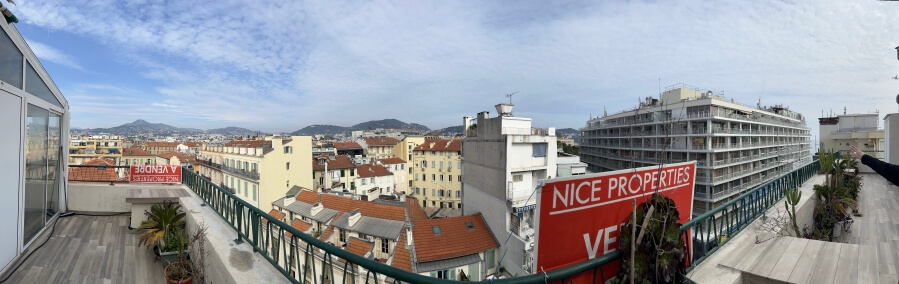
As a licensed real estate agency in France, we can sell a property anywhere in France and manage the process from beginning to end. Because we will only take mandates of properties we would recommend to our very discerning clients, or those we believe our market will enjoy and benefit from, our track record of a fast sale is excellent. Our mandates are always exclusive, so if you already have a property on the market, but wish to reach a North American buyer, you must wait until that mandate expires, to then contract with us to reach our market. Smart sellers contact us first because they know we can obtain a qualified buyer willing to pay for first-class property American-owned.
A bientôt,
 Adrian Leeds
The Adrian Leeds Group®
P.S. Do you have a property in France you’d consider selling? Contact us today!

Let Us create a custom strategy for you
You can live or invest in France-now.
Property for sale
what's happening
Check out upcoming events, conferences, or webinars. Join us!
GET FINANCING
Learn about French Property Loan Information.

Read & Subscribe
Dive into more by reading the Adrian Leeds Nouvellettre®
Better yet, subscribe to both and get the updates delivered to your inbox.

Get started with your dream of owning property in Paris.
Join us on Youtube
Dive into more on how to live, invest & escape to France
Be sure to subscribe!
To read more, click the links below.