


Weekly insights about property in France!
Subscribe and don't miss an issue!
The Anglophone Map of France: Where Expats Live, Region by Region…and Why
Volume XXIV, Issue 20
By Jay Corless, Edited by Adrian Leeds
One of the reasons we are so excited to expand our search services beyond Paris (and the Ile de France), and Nice (and the Alpes-Maritimes) is that France is not one market. It is a mosaic of regions, lifestyles, climates, property types, local habits, rental cultures and very different ideas of what it means to “live in France.”
Paris is Paris, bien sûr. Nice is nice, as we all agree. But France is also the Dordogne, Provence, Brittany, the Basque coast, the Alps, the Loire Valley, Normandy, Occitanie, Burgundy, and so many other worlds within one country.
That is precisely why our new regional offering matters. We are not simply helping clients find “a place in France.” We are helping them understand France—region by region, market by market, and lifestyle by lifestyle. Our goal is to provide more practical, lived, on-the-ground knowledge about relocating to France than any other service available to North American and Anglophone clients.
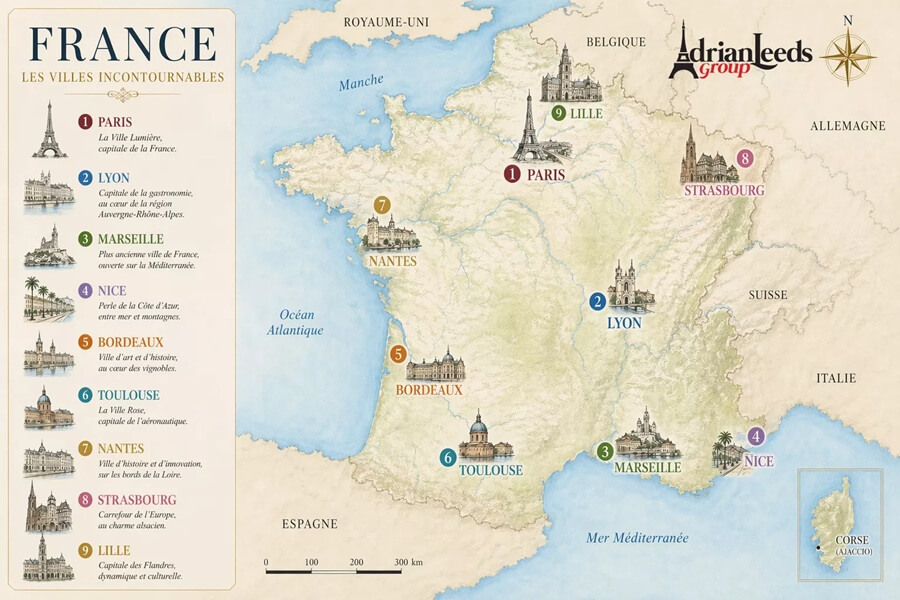
The latest INSEE nationality data gives us a fascinating glimpse into where English-speaking foreign nationals actually live. For this analysis, we looked at British, American, and Canadian residents by region. The figures do not include everyone who might feel like an Anglophone expat in France. They do not capture naturalized French citizens, dual nationals counted differently, second-home owners who are not residents, or people who live between countries. But they do show something very useful: the broad geography of Anglophone France.
And I’d like to make one thing very, very clear. Not all Anglophones are alike. The British, Irish and Scots speak English, but culturally, they are very different from North Americans. They are Europeans (even if they don’t want to think of themselves this way), with the long history of Europe under their belts. They are not the “adolescents” of North America and do not think or behave like North Americans. This is important to understand because while you will be able to connect with them via language, connecting culturally is a different story. This is why we work primarily with North Americans. We are North Americans ourselves and we understand each other from the ground up. There is conversation we don’t even need to have because we understand each other so well.
Meanwhile, the pattern is clear. Americans are heavily concentrated in and around Paris. The British are spread much more widely, especially across the west and southwest. Canadians sit somewhere in between, with a strong presence in Paris but also meaningful numbers in Brittany, Auvergne-Rhône-Alpes, Occitanie, and Provence-Alpes-Côte d’Azur.
In other words, expats do not come to France for one reason. They do not all want the same France. And choosing the right region may be just as important as choosing the right property.
ÎLE-DE-FRANCE: PARIS STILL HAS THE STRONGEST AMERICAN PULL
No surprise here: Île-de-France remains the great magnet, especially for Americans and Canadians. The data shows 14,015 Americans in the region, representing nearly 47 percent of all Americans recorded in the metropolitan regional dataset. The data also show 4,456 Canadians in Île-de-France, by far the largest Canadian concentration in France.

Why do they live here? Because Paris solves problems. It offers employment, culture, schools, embassies, universities, international networks, art, fashion, finance, tech, cuisine, and transport. It is the easiest place in France to arrive as a foreigner and still feel connected to the rest of the world.
For clients who are still working globally, want access to international schools, need English-speaking professionals, or simply want the full cultural dream of France, Paris remains the obvious starting point. It is also the place where the market is most competitive, most dossier-driven, and least forgiving of weak preparation.
NOUVELLE-AQUITAINE: THE BRITISH HEARTLAND OF FRANCE
Nouvelle-Aquitaine is the great Anglophone countryside story. The data shows 38,814 British residents, 1,977 Americans, and 772 Canadians, making it the largest Anglophone region in the dataset. (But, remember what I said about our differences with the British.)
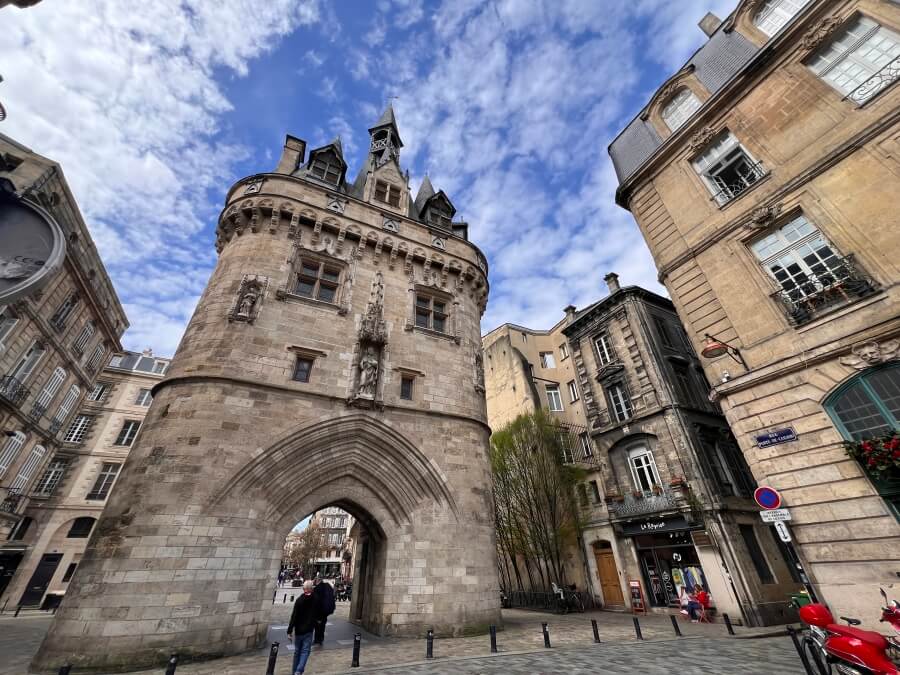
Bordeaux
This is the France of Dordogne villages, Charente stone houses, Bordeaux wine country, La Rochelle, Arcachon, the Basque coast, Limoges, and the gentle seduction of La France Profonde. It is one of the regions where the British presence is not just visible but historically rooted. Expats live here for space, beauty, affordability compared with Paris or the Riviera, a strong existing British network, and a lifestyle that feels deeply French without being isolating. It appeals to retirees, semi-retirees, remote workers, rural dreamers, wine lovers, and people who imagine France not as an apartment, but as a house, a garden, and a market basket.
OCCITANIE: TOULOUSE, MONTPELLIER, AND THE SOUTHERN ALTERNATIVE
Occitanie has one of the strongest Anglophone profiles outside Paris and Nouvelle-Aquitaine. The data shows 23,094 British residents, 2,694 Americans, and approximately 1,200 Canadians. (Again, the British contingency is overwhelming.)
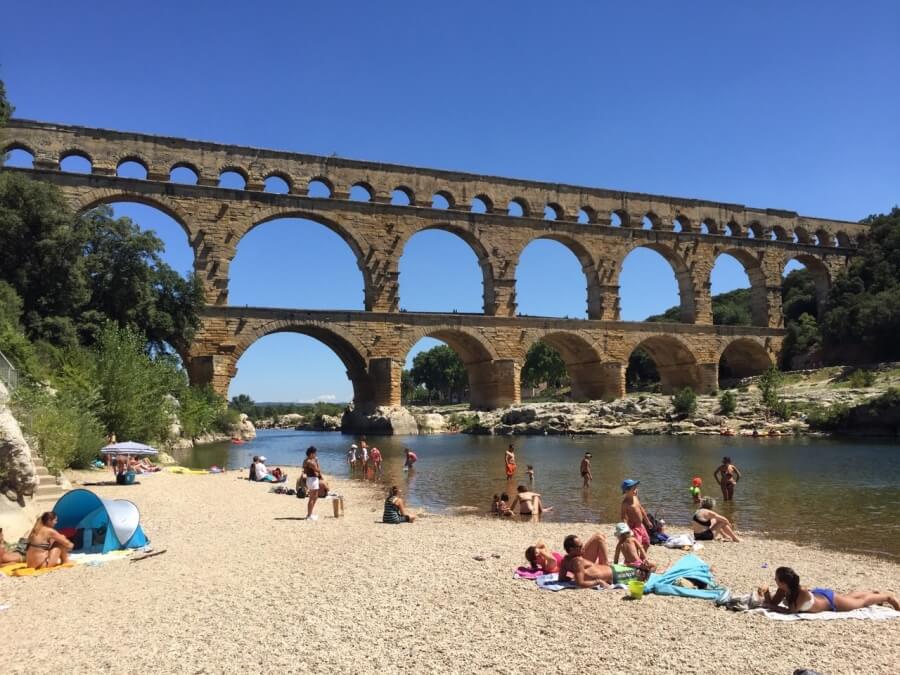
Pont du Gard
Occitanie is a region of contrasts. Toulouse brings aerospace, universities, research, and a younger international workforce. Montpellier offers Mediterranean light, student energy, and access to the Hérault coast. Inland towns and villages offer more space, more affordability, and a slower southern rhythm. The Pyrenees add another entirely different lifestyle layer.
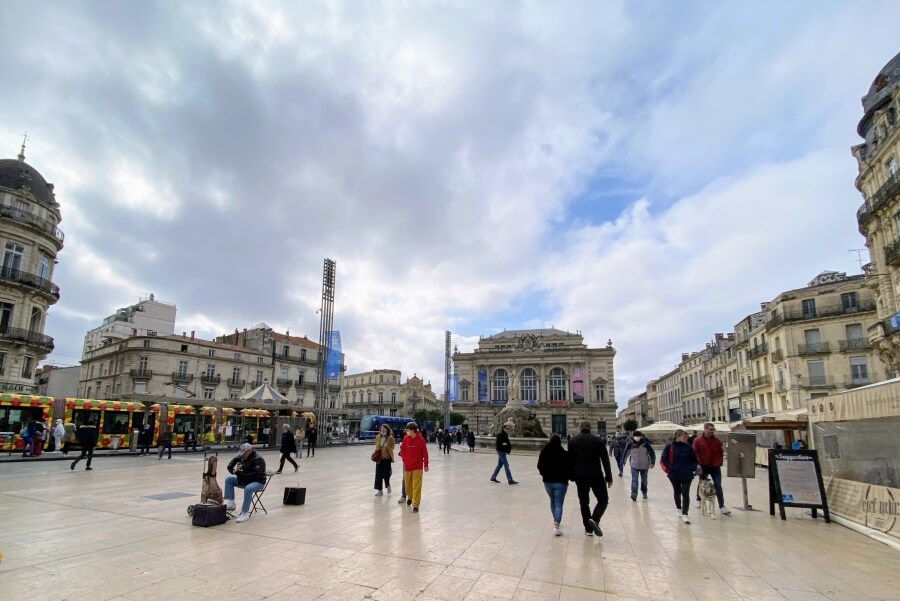
Montpellier
Expats choose Occitanie for climate, university life, transport links, relative affordability, and the feeling that one can have the south of France without paying Côte d’Azur prices (because it’s not the Côte d’Azur). It can work beautifully for retirees, but it is also one of the stronger regions for working-age expats, students, and remote professionals.
AUVERGNE-RHÔNE-ALPES: LYON, THE ALPS AND THE OUTDOORS
Auvergne-Rhône-Alpes is the region for those who want France with ambition and altitude. There are 13,721 British residents, 3,133 Americans, and 1,563 Canadians.
Lyon is the obvious urban anchor: a serious French city with gastronomy, universities, business, culture, and transport connections, but without the scale or pressure of Paris. It draws professionals, students, families, and food lovers who want a major city that still feels manageable.
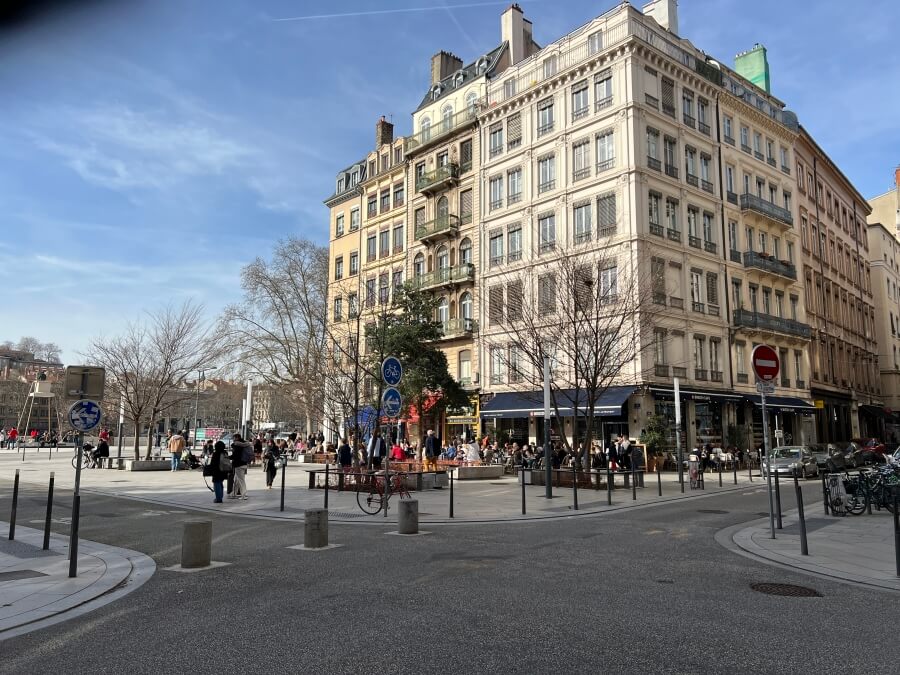
Lyon
Then there are the Alps. Haute-Savoie, Annecy, Chamonix, Évian, Thonon-les-Bains, and the Swiss border appeal to skiers, outdoor enthusiasts, cross-border workers, and affluent lifestyle movers. This is one of the best regions for clients seeking employment, infrastructure, mountain access, and quality of life in one package.
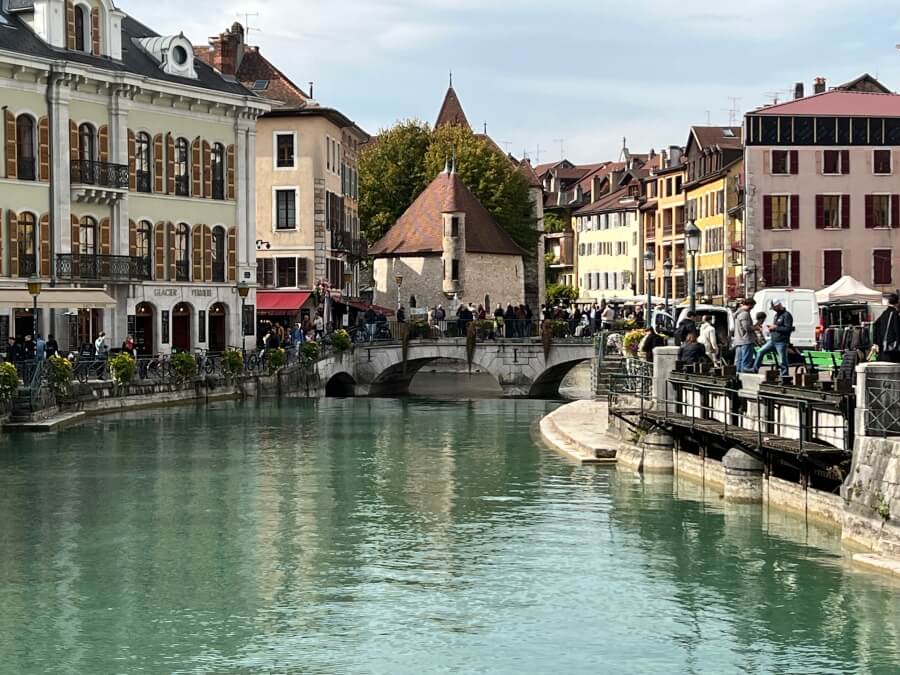
Annecy
PROVENCE-ALPES-CÔTE D’AZUR: THE RIVIERA DREAM STILL WORKS
Provence-Alpes-Côte d’Azur is the classic sun-and-sea version of the French dream with 10,075 British residents, 2,847 Americans, and 1,089 Canadians. The area’s North American contingency is growing rapidly, not reflected in these figures.
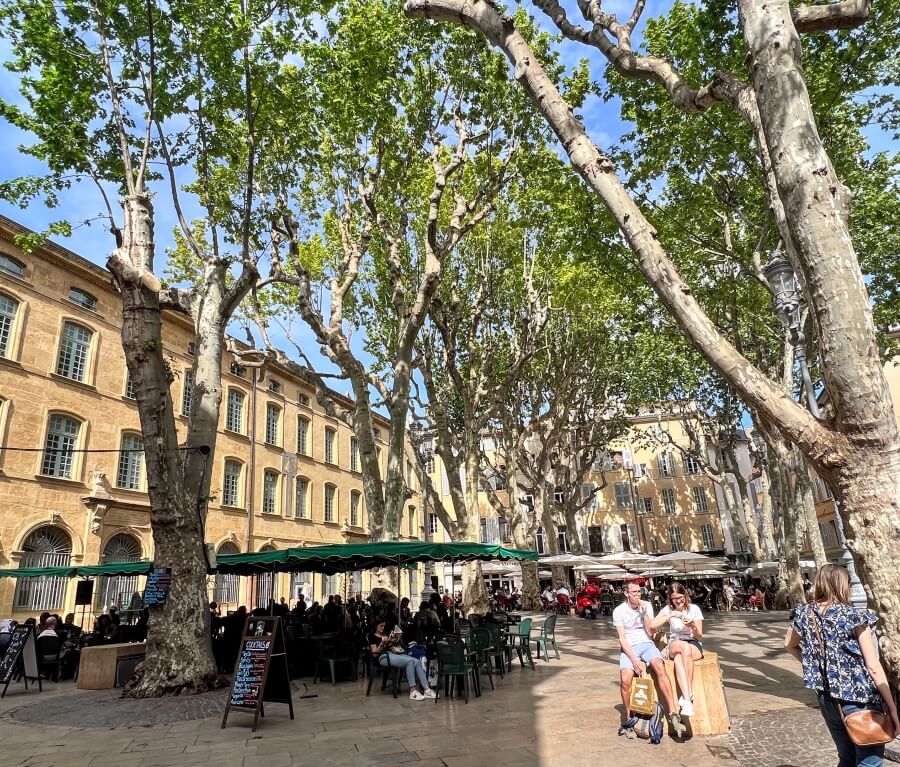
Aix-en-Provence
Expats live here for the obvious reasons: weather, light, sea, airports, luxury property, an international community, and the glamour of the Côte d’Azur. Nice, Cannes, Antibes, Grasse, and the Monaco corridor all have strong Anglophone visibility. For many North Americans, this is one of the few places outside Paris where the international infrastructure is immediately apparent.
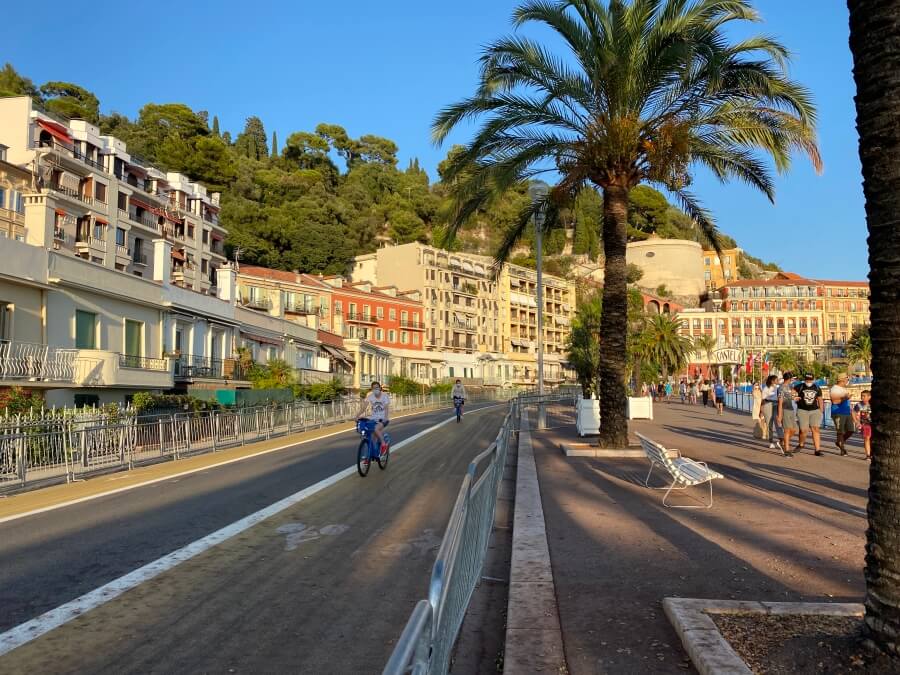
Nice
But PACA is not only villas and retirees. Marseille and Aix-en-Provence bring universities, business, culture, and a younger professional energy. The challenge is cost and competition. The appeal is equally clear: this is where lifestyle, beauty, and international familiarity come together.
BRITTANY: COASTAL, CELTIC, AND QUIETLY INTERNATIONAL
Brittany has a different Anglophone story with 11,104 British residents, 782 Americans, and 693 Canadians.
Expats choose Brittany for its coastline, stone villages, sailing, food markets, lower property prices than those on the Riviera or in Paris, and a pace of life that feels both deeply local and quietly international. It is less “international luxury” and more “rooted French life.” It suits people who are drawn to community, weathered beauty, and a strong regional identity.
For Canadians in particular, Brittany’s cultural and historical links can make it feel strangely familiar while remaining unmistakably French. It is a region for people who want to belong somewhere specific, not just live in a beautiful place.
NORMANDY: CLOSE TO BRITAIN, CLOSE TO PARIS, DEEPLY FRENCH
Normandy has a smaller but meaningful Anglophone population, with 6,964 British residents, 629 Americans, and 350 Canadians.
Its appeal is partly geographic. It is close to Britain, connected by ferries, and in many places still close enough to Paris for weekend access. It offers countryside, coastline, history, seaside towns, half-timbered houses, and a softer landing into rural or coastal France.
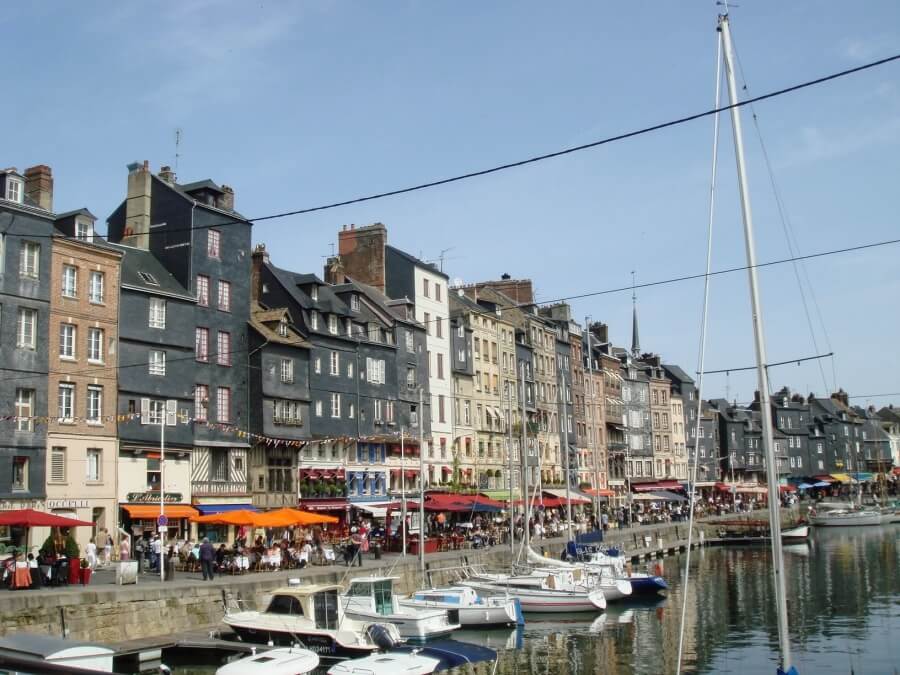
Normandy
Expats live here for green fields, village life, historic houses, and practical access. It appeals to retirees, second-home owners, families seeking space, and anyone who wants a life that is gentler than Paris but not entirely cut off from it.
PAYS DE LA LOIRE: UNDERSTATED, LIVABLE AND OFTEN OVERLOOKED
Pays de la Loire is not usually the first region foreign clients mention, but that is part of its appeal. The data shows 6,499 British residents, 686 Americans, and 300 Canadians.
Nantes, Angers, Saumur, and the Atlantic coast offer a blend of urban life, vineyards, river landscapes, and relative affordability. It is less saturated than the Dordogne, less expensive than the Côte d’Azur, less intense than Paris, and still well connected.
Expats live here because it feels balanced. It is a strong region for clients who want “real France” with enough infrastructure to make daily life work.
HAUTS-DE-FRANCE: LILLE, CROSS-BORDER LIFE AND NORTHERN CONNECTIONS
Hauts-de-France has a smaller Anglophone footprint overall, with 2,719 British residents, 809 Americans, and 250 Canadians.
Lille is the obvious anchor: a major student city, business hub, and rail crossroads between Paris, Brussels, and London. This is not the postcard version of the French dream, but it can be extremely practical.

Lille, France
Expats live here for work, study, logistics, and value. For clients who need access to northern Europe, Eurostar connections, Belgian borders or a more affordable urban base, Lille can be a very smart choice. TGV access makes it immediately accessible to four major cities (Paris, London, Brussels and Amsterdam), not to mention the CDG airport to go just about anywhere. The American community here is growing, too, as a result.
CENTRE-VAL DE LOIRE: CASTLES, COUNTRYSIDE AND CALM
Centre-Val de Loire is quieter in the data, with 2,817 British residents, 621 Americans and 200 Canadians.
It is the region of châteaux, river towns, vineyards, gardens, and old French elegance. Expats live here when they want beauty and calm rather than a large international scene.
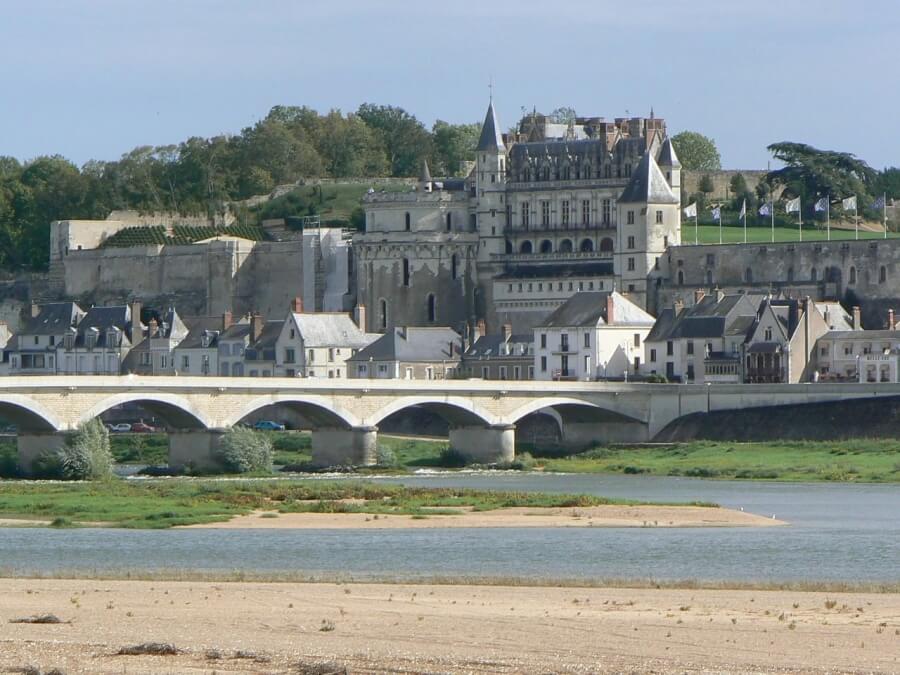
The Loire Valley
It suits retirees, countryside buyers, garden lovers, and those drawn to historic homes and villages within reach of Paris. It is not the easiest region for clients who need English-speaking infrastructure, but it can be deeply rewarding for those who want immersion.
GRAND EST: STRASBOURG CHANGES THE STORY
Grand Est is unusual because the American share is relatively high compared with the Anglophone base as a whole. The data shows 1,547 British residents, 1,280 Americans, and 450 Canadians.
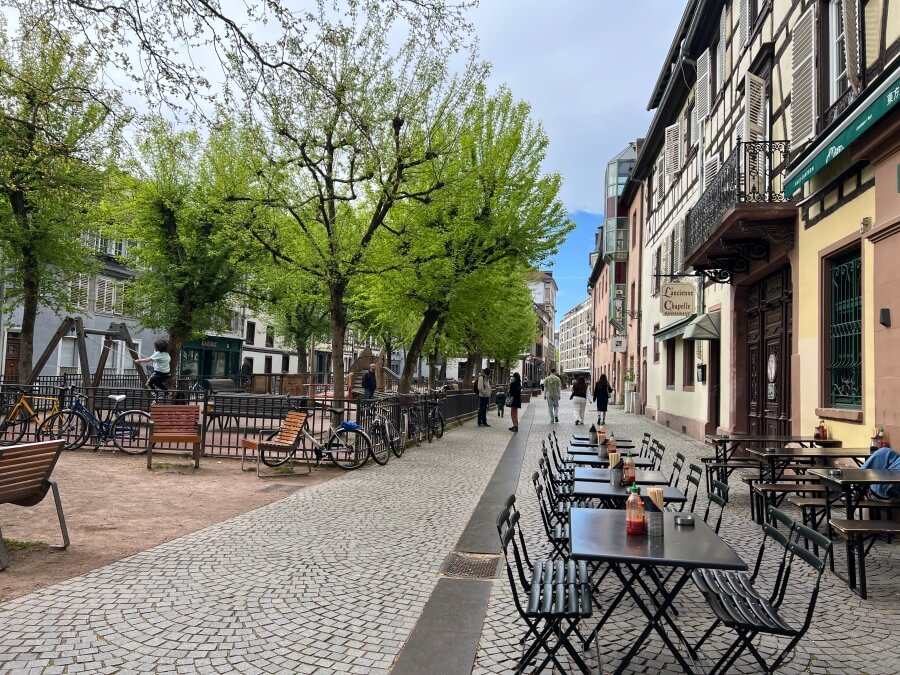
Strasbourg is the reason. The European Parliament, the Council of Europe, universities, cross-border links with Germany and Switzerland, and international institutions all shape the expat profile. This region appeals to professionals, students, diplomats, academics, and those who like a more continental European lifestyle. It is France, but with a strong Rhine Valley sensibility: Germanic influences, Christmas markets, wine routes, forests, and border mobility. It’s one of the reasons we favor this mid-sized city…it’s international influence.
BOURGOGNE-FRANCHE-COMTÉ: QUIET FRANCE FOR THE COMMITTED FRANCOPHILE
Bourgogne-Franche-Comté has one of the smaller Anglophone populations: 2,368 British residents, 572 Americans, and 200 Canadians.
It is not a mass-market expat region, and that is exactly why some people love it. This is Burgundy wine country, Jura landscapes, historic towns, stone houses, canals, gastronomy, and space.
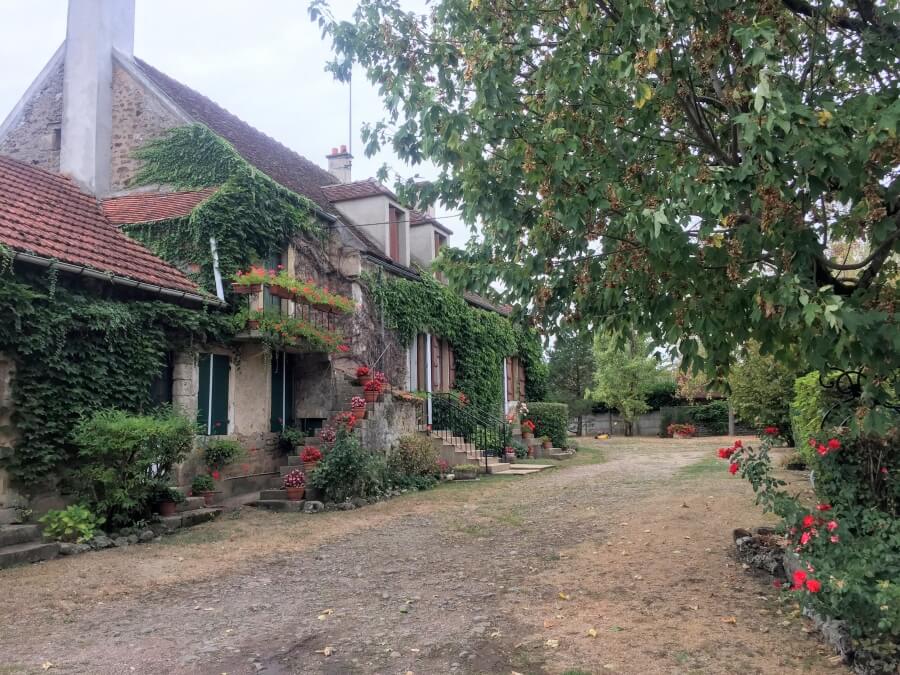
Burgundy
Expats live here because they are not looking for an expat bubble. They want quiet, authenticity, beauty, and a deeper relationship with French life. It is best for those who are comfortable with fewer international services and more local integration.
CORSICA: THE SMALLEST ANGLOPHONE FOOTPRINT
Corsica has the fewest Anglophone residents in the spreadsheet, with 563 British residents, 57 Americans, and 40 Canadians.
That is not surprising. Corsica is beautiful, but it is also logistically distinct, seasonal, island-based, and culturally specific. Housing, transport, seasonality, and local networks matter enormously. Expats choose Corsica for its landscape, sea, mountains, independent spirit, and sense of escape. But it is not a simple relocation choice. It is a region for the adventurous and well-prepared, not for those who want an easy plug-and-play expat landing.
WHAT THE MAP REALLY TELLS US
The numbers confirm what we see every day in our work: not all expats want the same France.
Americans cluster in Paris because Paris solves problems: schools, work, culture, transport, doctors, English-speaking services, and global familiarity. British residents are more widely distributed, especially across the west and southwest, where property, countryside, climate, and established communities have created a long-standing settlement pattern. Canadians sit somewhere in between, with strong visibility in Paris but meaningful links to regions such as Brittany, Auvergne-Rhône-Alpes, Occitanie, and Provence-Alpes-Côte d’Azur.
This is why regional expertise matters. A client looking for a Paris pied-à-terre is not the same as a retiree looking for a Dordogne village house, a family considering Lyon, a remote worker dreaming of Montpellier, or a couple deciding between Nice and Biarritz. Each region has its own real estate culture, agency practices, seasonality, dossier expectations, transport logic, and lifestyle trade-offs.
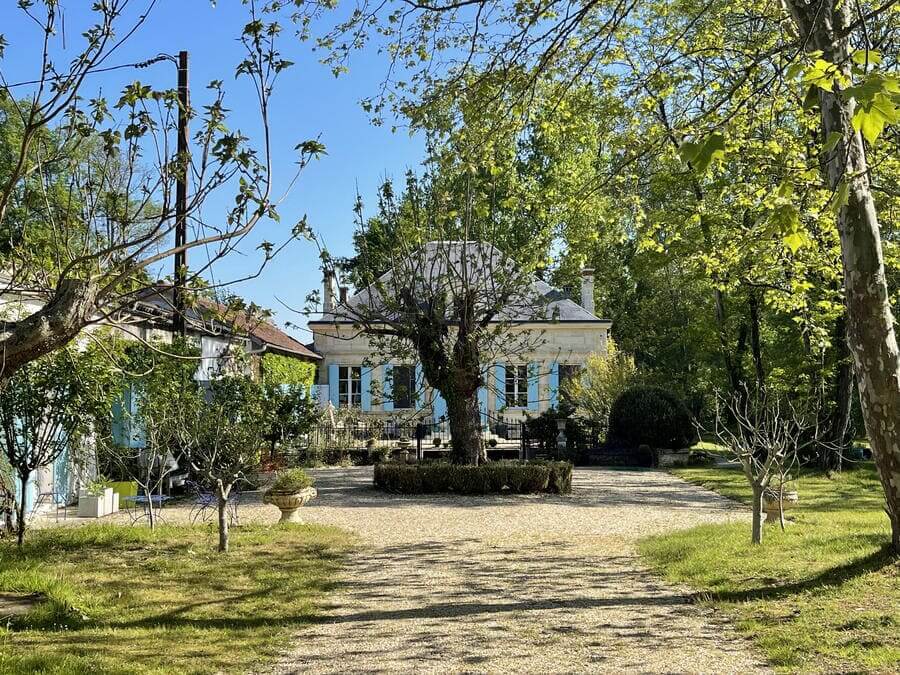
France is not one destination. There are many. And choosing the right region may be just as important as choosing the right property.
This is something we can help you do: choose. It’s not easy. Many of you set out on an adventure to find that perfect spot, but before you do, let us help guide you so you aren’t traipsing all over France falling in love with every spot you land in, even if it doesn’t make sense for you in the long run.
With a solid conversation about what works best for you, you can narrow down the choices and then you make a really intelligent decision and discover the France that suits you best.
IF YOU WANT TO LEARN MORE, JOIN US FOR A SPECIAL WEBINAR ON MAY 21

Not everyone wants to live in Paris or Nice. But when looking to move elsewhere in France, there is a lot to consider:
Are you choosing the best location for your needs?
Will you be able to find housing?
Are the locals welcoming to foreigners?
And that’s just for starters. When moving to places outside the main urban centers, there’s clearly more room for costly mistakes if you don’t know the terrain—and what steps to take.

Jennifer Parrette
If you’re looking to relocate, or make a smart investment, you won’t want to miss this! Reserve Your Spot Today!!
Visit our site for more information or reserve now!
A bientôt,
 Adrian Leeds
The Adrian Leeds Group®
P.S. Don’t miss the upcoming webinar, “Get to Know the Rest of France: The Best Places to Live and Why” with Jennifer Parrette and me…visit our site now to learn more and register.

Let Us create a custom strategy for you
You can live or invest in France-now.
Property for sale
what's happening
Check out upcoming events, conferences, or webinars. Join us!
GET FINANCING
Learn about French Property Loan Information.

Read & Subscribe
Dive into more by reading the Adrian Leeds Nouvellettre®
Better yet, subscribe to both and get the updates delivered to your inbox.

Get started with your dream of owning property in Paris.
Join us on Youtube
Dive into more on how to live, invest & escape to France
Be sure to subscribe!
To read more, click the links below.