


Weekly insights about property in France!
Subscribe and don't miss an issue!
Your Summer in France: Using Your Vacation as a Reconnaissance Mission
Volume XXIII, Issue 30
By Jay Corless, edited by Adrian Leeds
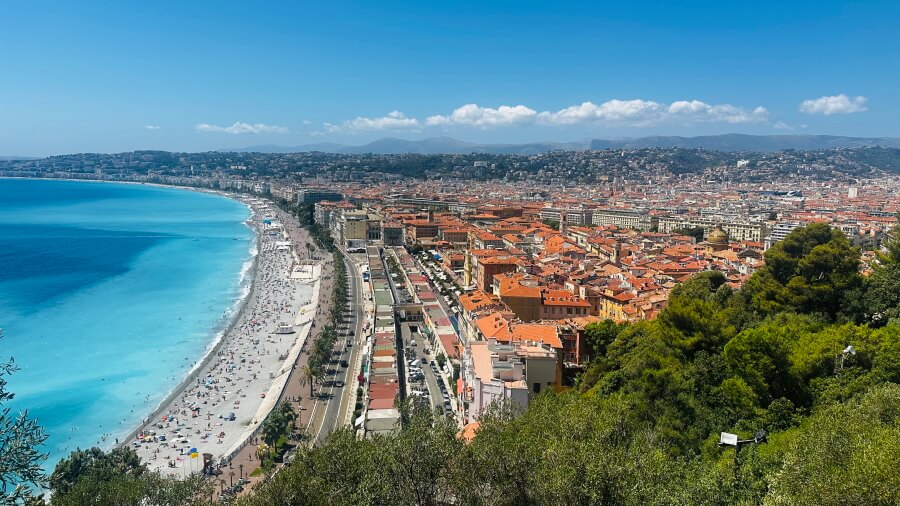
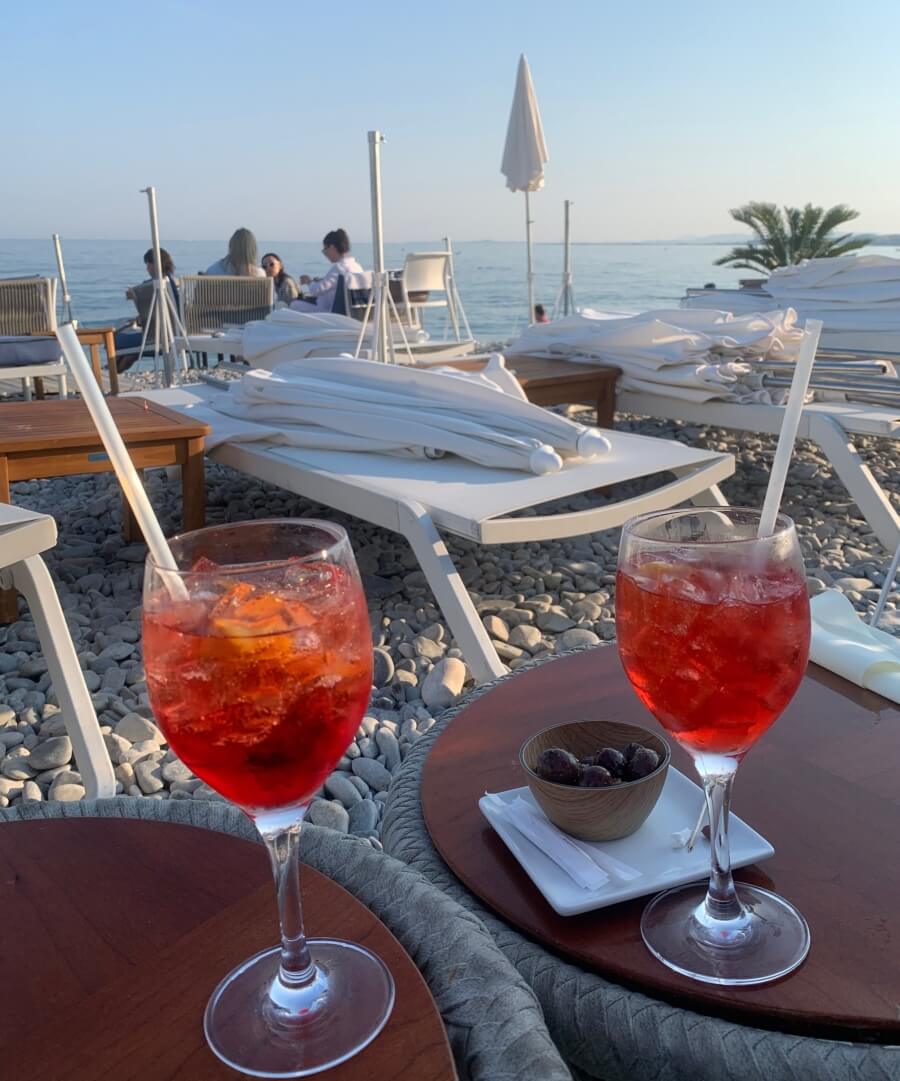
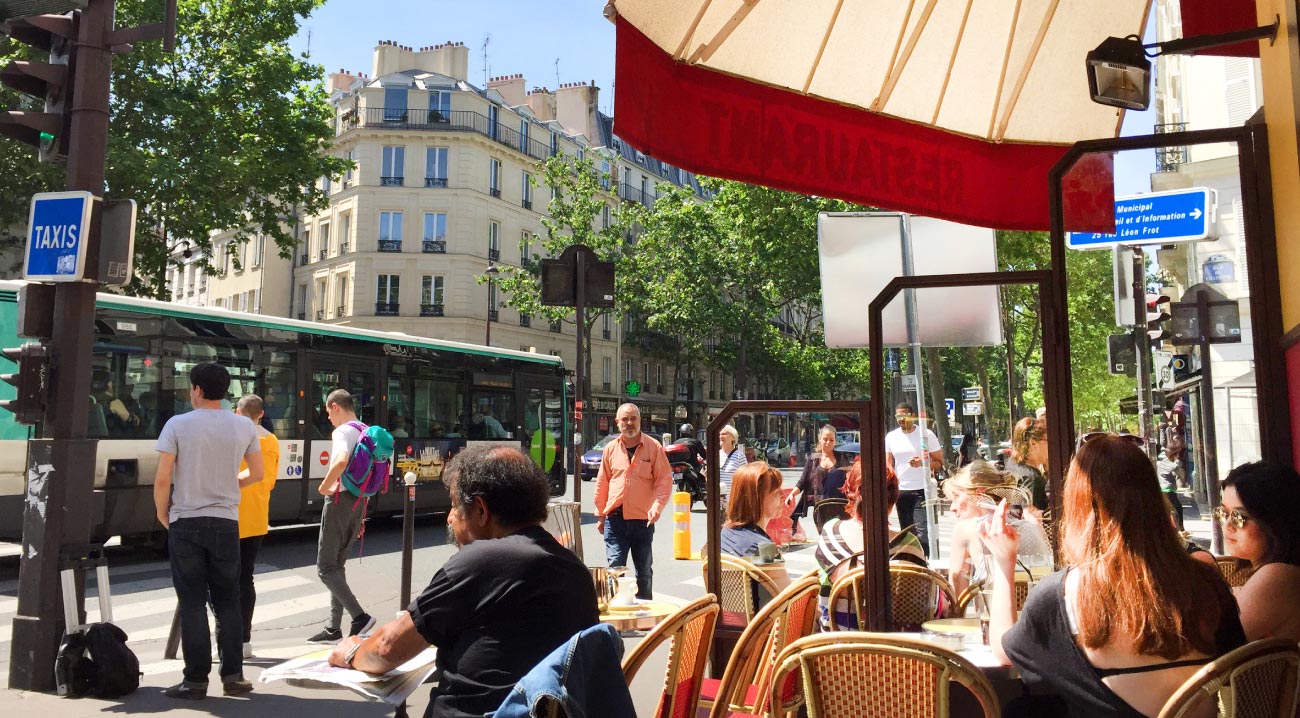
It’s late July in France. The scent of lavender still lingers in the air, ice clinks in glasses of rosé and aperol spritz on every café terrace, and the nation is slowly slipping into its annual August slumber. If you’re one of the many North Americans soaking up the joie de vivre this summer—whether in Paris, Nice, Provence, or a quiet village you can’t quite pronounce—we invite you to ask yourself a simple question: Could this be more than just a vacation? Could this be a life?
It may seem like another getaway. But in truth, your vacation can be the perfect reconnaissance mission—one that gives you deep, experiential insight into where (and how) you might want to live one day. A vacation trip to France is how many of our clients decided to make the lifestyle change.
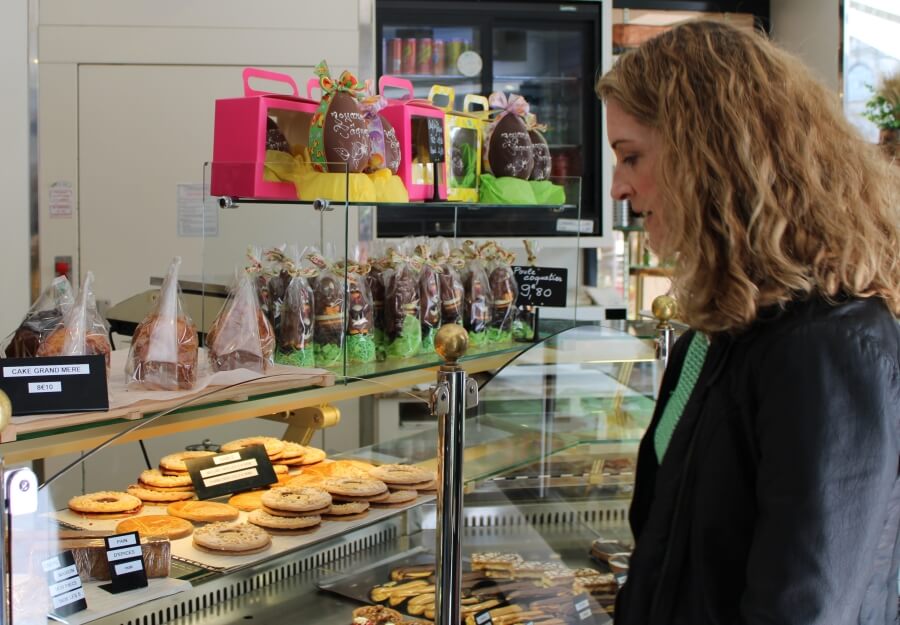
When you vacation in France, you’re not just admiring the scenery—you’re absorbing daily life: what it feels like to shop at the local market, ride the metro, wait in line at the bakery, or sit in a café and watch the world go by. These everyday moments are the best research tools you have.
They tell you not just what’s beautiful, but what’s livable. This kind of immersive reconnaissance is invaluable. You learn how much driving you’re comfortable with. You discover how connected (or isolated) certain areas feel. You realize how you think about local attitudes, service levels, or language barriers. In short, you start to understand whether France is a place to admire—or a place to belong.
SUMMER IS (AND ISN’T) THE BEST TIME TO EXPLORE REAL ESTATE
Many people imagine spring or fall to be the best times to shop for a property. And while those seasons have their advantages, summer offers something unique—presence. You’re already here. You’re seeing your favorite quartiers at their most vibrant. You’re eating where the locals eat, watching how life flows in the evening air, and imagining yourself as part of it.
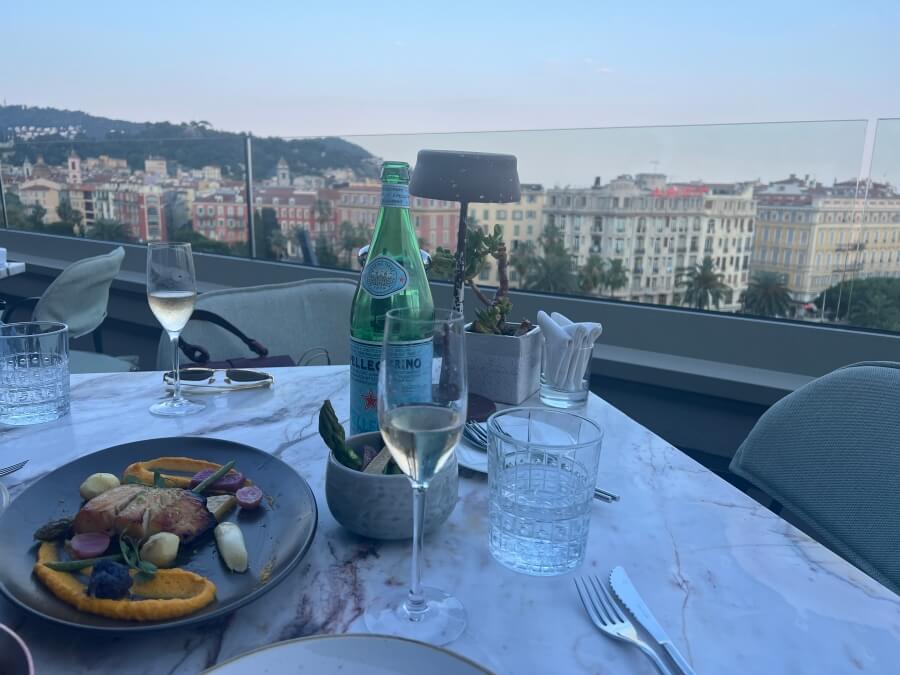
But summer also comes with its distortions—it’s essential to be aware of them: In the South, coastal towns and tourist hotspots can often feel overly crowded, overdeveloped, and commercialized. Don’t let the crowds distract you from the real rhythms of local life. In Paris and other cities, neighborhoods may feel oddly deserted, with shops closed and streets quiet, giving a false sense that these places lack energy or community.
That’s why it’s critical to view your experience through the lens of context. Ask: What would this town feel like in October? In February? In May? That’s where your reconnaissance mindset comes into play.
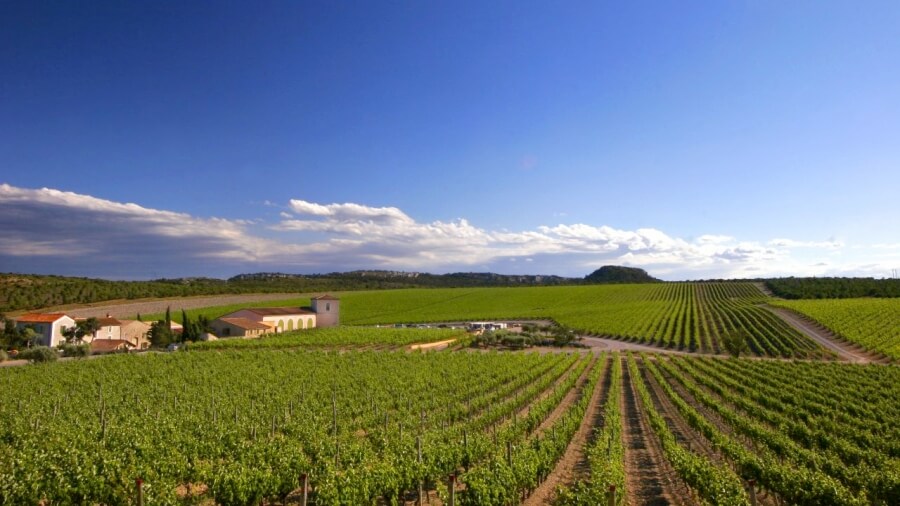
MAKING THE MOST OF YOUR SUMMER RECON TRIP
If you’re already in France, congratulations—you’re halfway through your property reconnaissance mission without even realizing it. But with a little structure and intention, you can leave this trip not just with memories, but with momentum.
1. Notice Your Reactions—Then Write Them Down
Keep a journal or notes on your phone. What places made your shoulders relax? Which ones stressed you out? Did you feel energized in a village square? Lost in a quiet hamlet? These emotional cues are better than any real estate comparison chart.
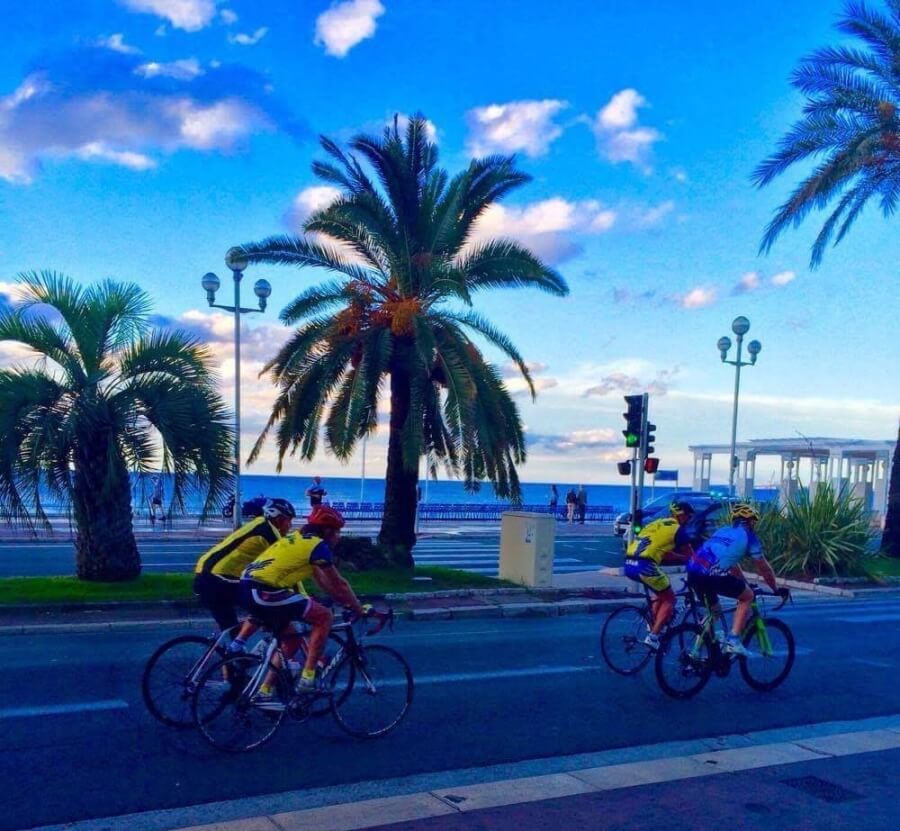
2. Test the Logistics
Try a morning commute. Take the train. Rent a car and drive to the next town over. See how far the grocery store is on foot. These little tests tell you whether the area supports your lifestyle—or complicates it.
3. Track Daily Costs
Get a feel for how expensive (or affordable) life is in the places you’re exploring. Prices for wine, cheese, fuel, electricity, or even parking can vary widely across regions.
4. Talk to Locals
Don’t just rely on travel blogs. Ask the waiter where he lives and why. Ask your hotel concierge host how long it takes to get to the hospital or what they think of the winter here. Locals are often thrilled to talk—especially if you show genuine curiosity.
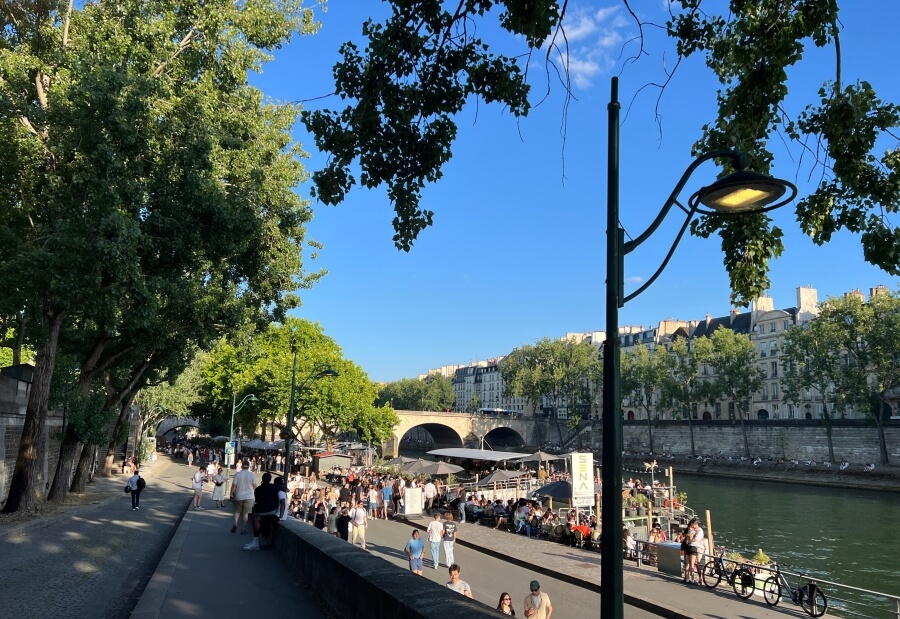
5. Photograph Properties and Streets You Love
You’ll forget the names of places, but not the feeling a photo evokes. Even taking pictures of real estate agency windows can help you remember pricing, layouts, and available options in the area.
6. Compare Neighborhoods with a Purpose
If you’re visiting multiple towns or cities, consider creating a scorecard for each one that includes factors such as infrastructure, charm, accessibility, ease of language, climate, expat presence, and rental potential. This kind of side-by-side thinking helps clarify preferences that otherwise get jumbled together.
7. Schedule a Strategy Session Before You Leave
Before your return flight, meet with us (virtually or in person). Our team at ALG will help you organize your insights and turn them into a step-by-step path—whether you’re renting or buying next year or in three years.
A FINAL THOUGHT
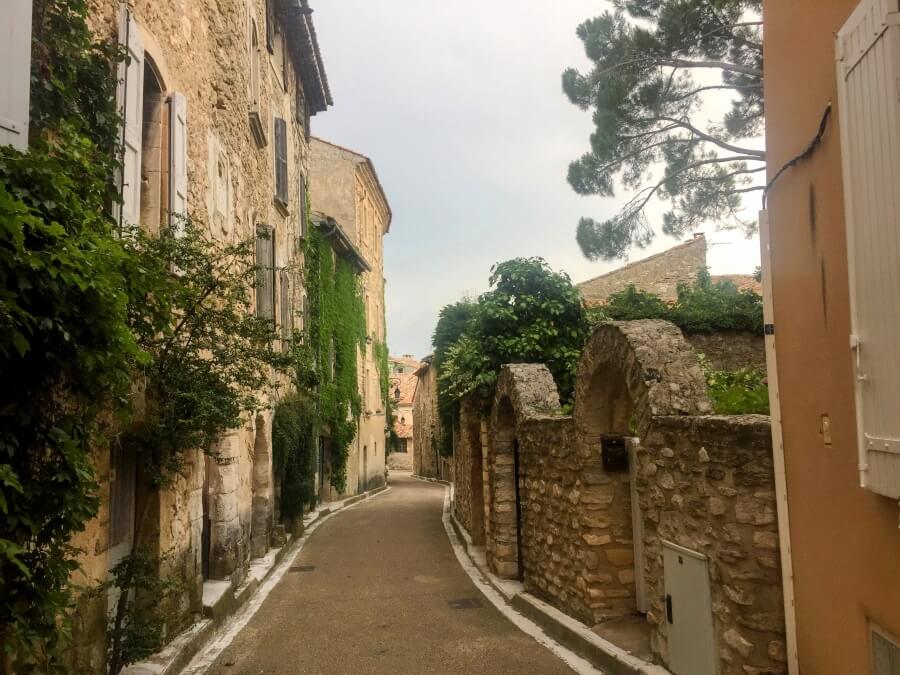
Years from now, you might look back on this very trip as the beginning of something bigger. Don’t let that spark fade. Suppose you’re reading this from a shady terrace in Aix, a breezy balcony in Nice, or even the departure lounge at Charles de Gaulle. In that case, this is the moment to start planning. Let’s talk. Let’s imagine. Let’s prepare—together.
A bientôt,
 Adrian Leeds
The Adrian Leeds Group®
 P.S. In addition to our property services, we also focus on living in France on a practical level based on our own experiences and the advice of a variety of those-in-the-know. Our website is the perfect place to being your education into everyday life in France.
3 Comments
Leave a Comment

Let Us create a custom strategy for you
You can live or invest in France-now.
Property for sale
what's happening
Check out upcoming events, conferences, or webinars. Join us!
GET FINANCING
Learn about French Property Loan Information.
Read & Subscribe
Dive into more by reading the Adrian Leeds Nouvellettre®
Better yet, subscribe to both and get the updates delivered to your inbox.

Get started with your dream of owning property in Paris.
Join us on Youtube
Dive into more on how to live, invest & escape to France
Be sure to subscribe!
To read more, click the links below.
Michael and I will be back in France in October. We already discussed keeping a journal and spreadsheet on each area we visit.
Montpellier and Aix-en-Provence region
We extended our European trip this fall to spend 5 days in Nice. One of our goal is to check out the neighborhoods and get a feeling for the different areas. This newsletter letter was timely.
We have signed up for a consultation with you in early September and are looking forward to talking to you.
Good insights and recommendations!